Trapezius Botox for Chronic Neck and Shoulder Tension
Key Highlights
- Trapezius botox is an injection of botulinum toxin type A into the upper trapezius muscle to temporarily relax persistent neck and shoulder tension.
- Botulinum toxin works by blocking the nerve signal that tells a muscle to contract, so the treated muscle relaxes for several months.
- Research on botulinum toxin for persistent neck pain shows a small short-term benefit, and confidence in that evidence remains low.
- Posture, desk setup, regular movement and physiotherapy remain the first steps for neck and shoulder tension before any injection is considered.
Quick Summary
Trapezius botox, also searched as trap botox or trap tox, is widely discussed on social media. People usually ask about it for neck and shoulders that feel tight and sore most days, or for a softer-looking shoulder line.
Laptop hours, phone use and stress can keep the upper trapezius working when it should rest. Botulinum toxin can relax that muscle for a while, but the pain research is mixed and the treatment is a prescription medicine with side effects.
Read on for how it works, what the evidence shows and where it fits alongside posture and movement.
Why the Trapezius Holds Tension
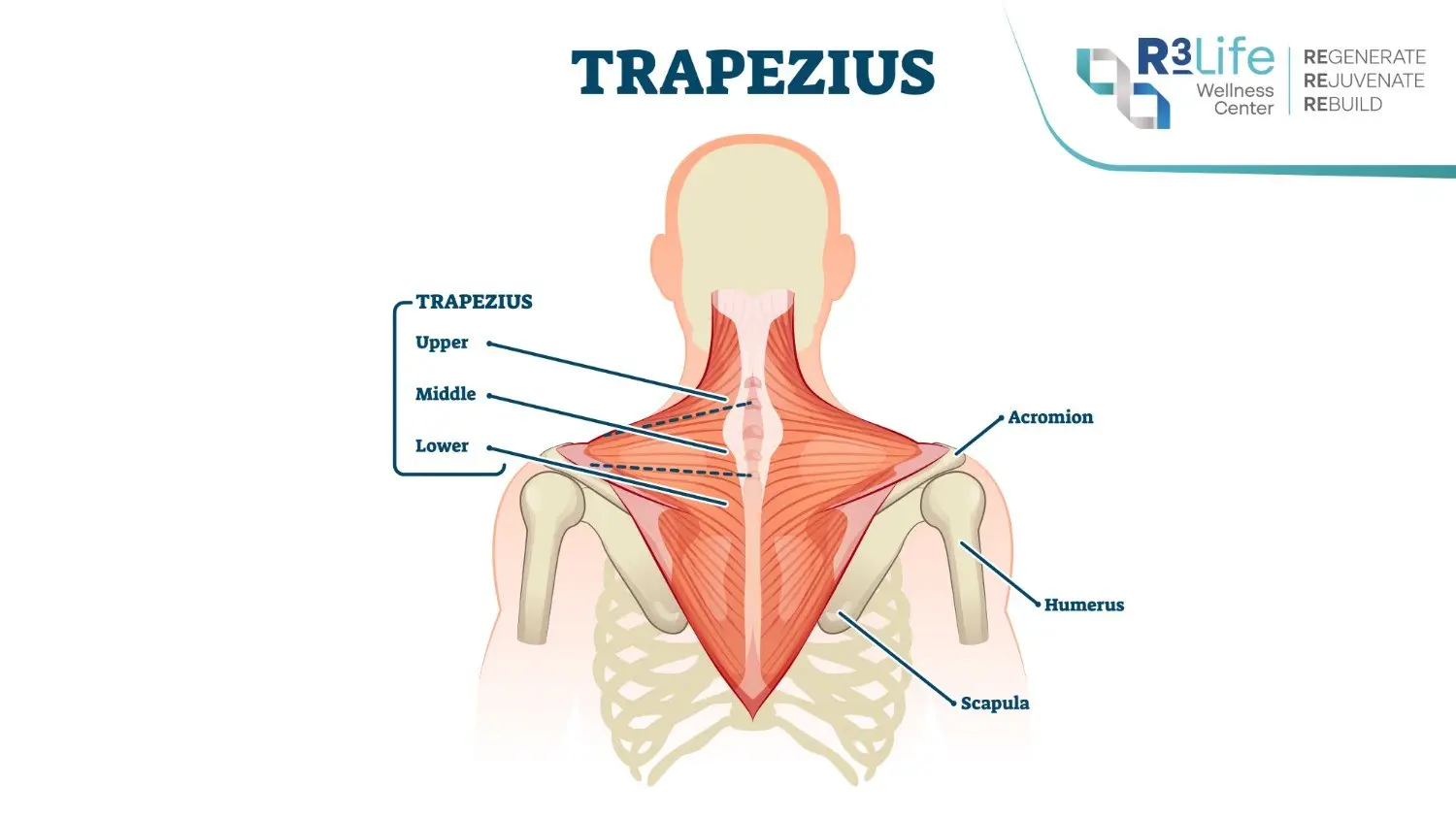
The trapezius is a broad, kite-shaped muscle that runs from the base of the skull across the shoulders and down the middle of the back. Its upper fibers lift the shoulders and help hold the head up.
Several everyday habits keep the upper trapezius switched on:
- Looking down at a screen or phone for long periods
- Working with shoulders raised toward the ears
- Shallow, upper-chest breathing during stress
- Too little movement across the working day
A muscle that rarely relaxes can feel stiff, tender and tired, and some people notice headaches that seem to start at the back of the neck.
How Trap Botox Works and What the Evidence Shows
Botulinum toxin type A blocks the release of acetylcholine, the chemical messenger a nerve uses to tell a muscle to contract. The treated muscle relaxes for a limited time, and the nerve gradually restores the signal.
Botox for Neck Pain and Headache
A 2026 Cochrane review of 16 studies in 855 adults found that botulinum toxin may reduce persistent neck pain slightly in the short term compared with placebo, with little or no benefit for daily function. The reviewers rated their confidence as low, and most trials were industry-funded. A Cochrane review of myofascial pain was inconclusive.
The US-approved chronic migraine protocol includes trapezius injection sites, but treating the trapezius for everyday tension or cosmetic reasons is off-label, meaning outside the approved uses. For tension-type headache, a US neurology guideline rates botulinum toxin as probably ineffective.
Barbie Botox and the Shoulder Line
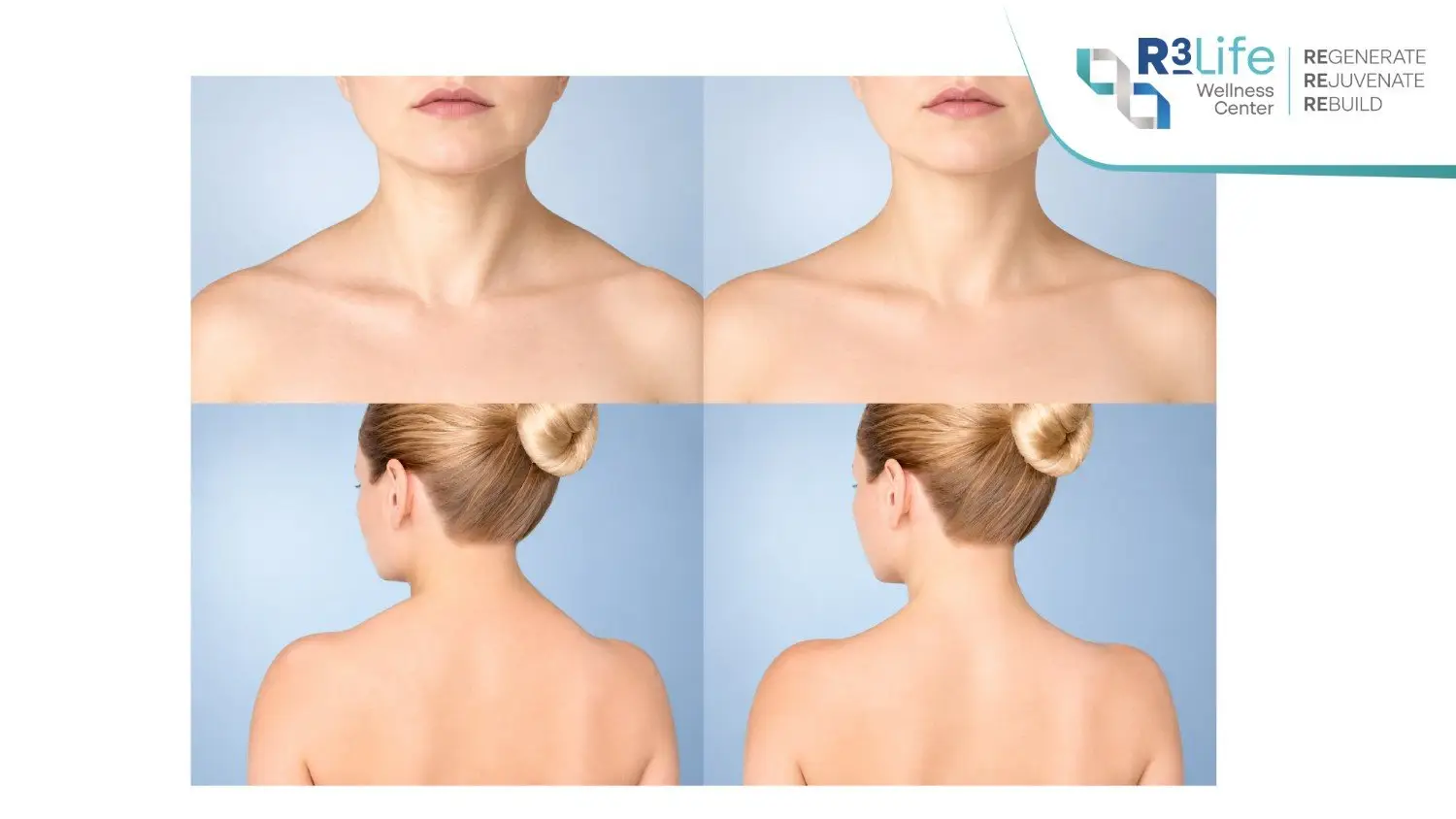
As the upper trapezius relaxes, the area between the neck and shoulder may look less bulky, a cosmetic use known online as barbie botox. Outcomes differ among individuals.
Side Effects and Who Should Avoid Trap Botox
Most side effects are mild and temporary. In neck pain trials, injection-site pain, muscle fatigue, muscle pain and headache were more common than with placebo. Rarely, the effect can spread beyond the injection area and affect swallowing or breathing, one reason physician assessment matters.
Tell the physician first if any of these apply:
- An allergy to any botulinum toxin product
- An infection at the planned injection site
- A neuromuscular condition such as myasthenia gravis, Lambert-Eaton syndrome or ALS
- Current use of aminoglycoside antibiotics or other medicines that affect nerve-muscle signals
- Pregnancy or breastfeeding, where safety data are not adequate
Your physician reviews these before any treatment.
Posture, Movement and Where Trapezius Botox Fits
Daily habits help the trapezius share its workload: raising the screen to eye level, relaxing the shoulders while typing, taking movement breaks and strengthening the upper back. For many desk workers, though, the muscle stays tight even when those habits are in place.
This is where trapezius botox fits. By temporarily relaxing the overactive muscle, it can take the edge off constant tightness and may make posture and strength work easier to keep up. At R3 Life Wellness Center, Botox Back/Shoulder is a botulinum toxin type A treatment that temporarily relaxes targeted muscles and may ease neck, shoulder and back pain linked to repetitive movement or posture. Options include Allergan botulinum toxin or a botulinum toxin type A made in Korea, and each plan follows a physician assessment.
Your physician reviews your pattern of tension, decides whether treatment suits you, which areas to treat and the dose, and plans it alongside your posture and movement routine. Botox Back/Shoulder is available exclusively at the Silom–Surawong flagship branch.
Frequently Asked Questions About Trapezius Botox
Q: What does trap botox do?
A: Trap botox relaxes the upper trapezius muscle by blocking the nerve signal that makes it contract. Some people feel less neck and shoulder tightness or notice a softer shoulder line. A Cochrane review found only a small short-term benefit for neck pain, and outcomes differ among individuals.
Q: How long does trapezius botox last?
A: Cosmetic trapezius botox is often reported to build over about 2 to 4 weeks and last around 3 to 6 months. In cervical dystonia, a neck-muscle condition, the product label reports improvement generally within 2 weeks and a return toward baseline by about 3 months. Your physician advises on repeat treatment.
Q: How is the dose for trap botox decided?
A: The physician sets the dose after examining your neck and shoulders and discussing your symptoms and goals. The amount differs between people, so no single figure applies to everyone.
Q: Can I keep strength training after botox for shoulder pain?
A: Most people can keep exercising, though heavy or overhead lifts may feel weaker while the muscle is relaxed, so workouts may need adjusting for a few weeks. Mention your training routine during the assessment.
Conclusion
Trapezius botox can temporarily relax an overworked upper trapezius, and some people find it eases persistent neck and shoulder tension. The evidence for pain relief is limited and mixed, and posture and movement remain the foundation.
Care at R3 Life Wellness Center is led by a physician board-certified in anti-aging and regenerative medicine (ABAARM).
If neck and shoulder tension keeps returning, book a physician assessment at r3lifewellness.com or message us on WhatsApp at +66 88 689 8888.
 Why Two PRP Knee Injections Can Give Different Results