10 Foods That Boost Your Immune System to Kill Cancer Cells
Highlight
- What kills cancer cells in the body naturally through 10 evidence-based foods that support your immune system's Natural Killer (NK) cells
- Research shows 30-40% of cancers are preventable through diet and lifestyle, with what to eat to prevent cancer.
- Natural ways to cure cancer risk by supporting immune function through strategic nutrition, though existing cancer requires medical treatment
- Top cancer-fighting foods include broccoli, garlic, green tea, fatty fish, and functional mushrooms with specific compounds that enhance cellular protection
Concerned about cancer risk but unsure how to support your health naturally? While genetics and environment play roles, research shows that dietary choices significantly influence cancer risk—the World Cancer Research Fund estimates that about 30-40% of cancers are potentially preventable through diet and lifestyle.
evidence-based nutritional approaches can support your body's natural immune function. From nutrient-dense vegetables to anti-inflammatory foods, strategic eating patterns provide a foundation for health.
Understanding Cancer Cells and Natural Defense Mechanisms
Understanding Your Body's Natural Defense System
Your immune system includes specialized cells called Natural Killer (NK) cells that continuously patrol your body, identifying and removing abnormal cells before they can develop into tumors. This natural surveillance system works alongside other immune components to maintain cellular health.
However, several factors can compromise immune function:
Factors That May Weaken Immune Response:
- Chronic stress and poor sleep quality
- Processed food diets lacking essential nutrients
- Environmental toxin exposure
- Sedentary lifestyle patterns
- Age-related immune system changes
Supporting Immune Function Through Nutrition: Research suggests that certain nutrients and food compounds may help support optimal immune system function, potentially contributing to your body's natural ability to maintain cellular health.
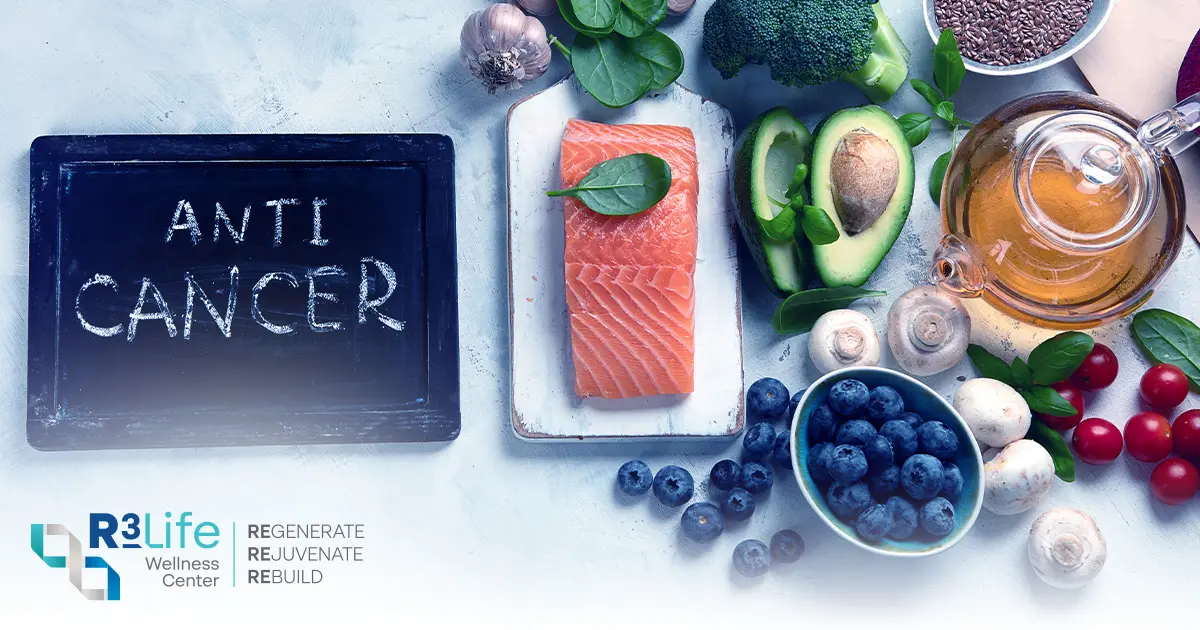
Top 10 Foods That Support Cancer Prevention
The first step in rebuilding your cancer-fighting arsenal involves strategic nutrition that specifically targets and enhances NK cell function:
1. Cruciferous Vegetables for Detoxification Support
Examples: Broccoli, Brussels sprouts, cauliflower, cabbage, kale
Key Compounds: Glucosinolates, sulforaphane, indole-3-carbinol
Research Findings: Population studies show associations between higher consumption and reduced risk of several cancers.
How to Include: Include 1-2 servings daily, lightly steamed or sautéed.
2. Colorful Berries for Antioxidant Protection
Examples: Blueberries, blackberries, raspberries, strawberries
Key Compounds: Anthocyanins, ellagic acid, vitamin C
Research Findings: Regular consumption is associated with health benefits, potentially due to high antioxidant content.
How to Include: 1/2 to 1 cup daily, fresh or frozen (without added sugars).
3. Garlic and Onion Family Vegetables
Examples: Garlic, onions, leeks, chives, shallots
Key Compounds: Organosulfur compounds, allicin
Research Findings: Population studies show associations between allium vegetable consumption and reduced digestive cancer risk.
How to Include: Use fresh garlic and onions regularly in cooking, allowing chopped garlic to rest 10 minutes before cooking to maximize beneficial compounds.
4. Green Tea for Cellular Protection
Key Compounds: Epigallocatechin gallate (EGCG), polyphenols
Research Findings: Some population studies suggest associations between green tea consumption and reduced cancer risk, though results are mixed.
How to Include: 2-3 cups daily of freshly brewed green tea, avoiding excessive consumption during meals to prevent iron absorption interference.
5. Fatty Fish for Omega-3 Support
Examples: Wild salmon, mackerel, sardines, anchovies
Key Compounds: EPA and DHA omega-3 fatty acids
Research Findings: Wild salmon, mackerel, sardines. Omega-3 fatty acids may help reduce inflammation. Mediterranean dietary patterns including fish are associated with health benefits.
How to Include: 2-3 servings weekly of wild-caught fish, prepared with minimal processing.
6. Functional Mushrooms
Examples: Shiitake, maitake, reishi, turkey tail
Key Compounds: Beta-glucans, polysaccharides
Research Findings: Some laboratory studies suggest that certain mushroom compounds may support immune function, though human cancer prevention studies are limited and more research is needed.
How to Include: Regular culinary mushrooms in meals, with specialty mushroom supplements only under healthcare provider guidance.
7. Citrus Fruits for Vitamin C and Flavonoids
Examples: Oranges, grapefruits, lemons, limes
Key Compounds: Vitamin C, limonene, flavonoids
Research Findings: Population studies suggest associations between citrus consumption and reduced cancer risk, potentially due to vitamin C's role in immune function and cellular protection.
How to Include: 1-2 whole fruits daily rather than juices to benefit from fiber content.
8. Leafy Green Vegetables
Examples: Spinach, kale, Swiss chard, arugula
Key Compounds: Folate, chlorophyll, carotenoids
Research Findings: Higher consumption is associated with health benefits in population studies.
How to Include: 1-2 cups daily, both raw in salads and lightly cooked.
9. Nuts and Seeds for Healthy Fats
Examples: Walnuts, Brazil nuts, pumpkin seeds, chia seeds
Key Compounds: Selenium, zinc, vitamin E, healthy fats
Research Findings: Some studies suggest that regular nut consumption is associated with reduced cancer risk, possibly due to their nutrient density and anti-inflammatory properties.
How to Include: 1/4 cup daily of mixed nuts and seeds, choosing unsalted varieties.
10. Turmeric for Anti-Inflammatory Support
Key Compounds: Curcumin
Research Findings: Laboratory studies suggest curcumin has anti-inflammatory properties, though human cancer prevention studies are limited and absorption can be challenging.
How to Include: Fresh or dried turmeric with black pepper and healthy fats to enhance absorption, as part of a varied diet.
Nutritional Approaches That May Help Reduce Cancer Risk
Focus on:
- Whole, minimally processed foods
- Variety of colorful fruits and vegetables
- Healthy fats from fish, nuts, seeds, olive oil
- Regular inclusion of the foods listed above
- Adequate fiber from whole grains, legumes, vegetables

Foods to Limit Based on Research
Research identifies certain foods associated with increased cancer risk:
Processed and Red Meats: The WHO classifies processed meats as Group 1 carcinogens. Studies show associations with increased colorectal cancer risk. Limit red meat; minimize processed meats.
Ultra-Processed Foods: Large studies show associations between ultra-processed food consumption and increased cancer risk. Focus on whole, minimally processed foods.
Excess Added Sugar: High sugar intake contributes to obesity, which increases risk for multiple cancer types. Limit added sugars to <10% of daily calories.
Alcohol: Even moderate consumption is associated with increased risk for several cancer types. If you drink, limit intake. Not drinking is better for prevention.
Charred Foods: High-temperature cooking creates compounds associated with increased risk in some studies. Use gentler cooking methods when possible.
Advanced Immune Enhancement
Professional NK cell therapy represents the pinnacle of immune enhancement technology, involving the extraction of your own immune cells, laboratory expansion to billions of highly activated cancer fighters, then reinfusion as a specialized army trained to eliminate abnormal cells.
While the nutrition-based approaches outlined in this article provide excellent foundation for cancer prevention, some individuals may find it challenging to maintain consistent dietary changes or may want faster, more direct immune support. For those looking for an alternative or complementary approach, advanced immune therapies offer another option.
NK cell Activity testing is a specialized laboratory test that measures Natural Killer cells' ability to detect and destroy virus-infected and abnormal cells. This evaluation assesses immune strength, identifies disease risks, and monitors therapy responses - helping you understand your current immune status under qualified healthcare guidance.
When to Consider Professional Immune Support:
- Family history of cancer requiring enhanced prevention strategies
- Compromised immune system function
- Those who have successfully completed treatment and recovered, but want to prevent cancer recurrence
- prevention approaches beyond lifestyle modifications
- Medical recommendations for enhanced immune monitoring
At R3 Life Wellness Center's Silom flagship branch in Thailand, patients access exclusive Flow Cytometry Technology - Thailand's only laboratory utilizing this advanced NK cell testing and expansion method. The facility maintains world-class international certifications.
Frequently Asked Questions
1.I have a family history of cancer - are natural foods enough to protect me?
Family history significantly increases your cancer risk, making immune optimization crucial. While anti-cancer foods provide a foundation, those with genetic predisposition often need advanced intervention. NK Cell therapy specifically targets your individual immune weaknesses, creating personalized protection that adapts to your unique genetic profile and risk factors.
2.Who is a good candidate for NK Cell Therapy?
NK cell therapy may benefit individuals seeking maximum immune enhancement, those with compromised immune systems, or people wanting advanced cancer prevention strategies. Medical consultation is essential to determine suitability.
3.Can I combine NK Cell therapy with the anti-cancer foods and lifestyle changes?
Absolutely! NK Cell therapy works synergistically with proper nutrition and lifestyle optimization. Anti-cancer foods provide daily immune support, while NK Cell therapy delivers the dramatic boost your immune system needs for maximum protection. We recommend maintaining your anti-cancer diet and healthy lifestyle as they enhance and prolong the benefits of your NK Cell treatment, creating a comprehensive defense system.
4.Why choose R3 Life Wellness Center over other clinics for NK Cell therapy?
R3 Life Wellness Center partners with Thailand's leading laboratory that utilizes exclusive Flow Cytometry Technology and UK NEQAS certification. Our partner laboratory operates a Clean Room Class 100 facility meeting international biobank standards (ISO 20387), while our ABAARM-certified physicians bring extensive expertise in anti-aging.
 Immunosenescence: When the Immune System Ages