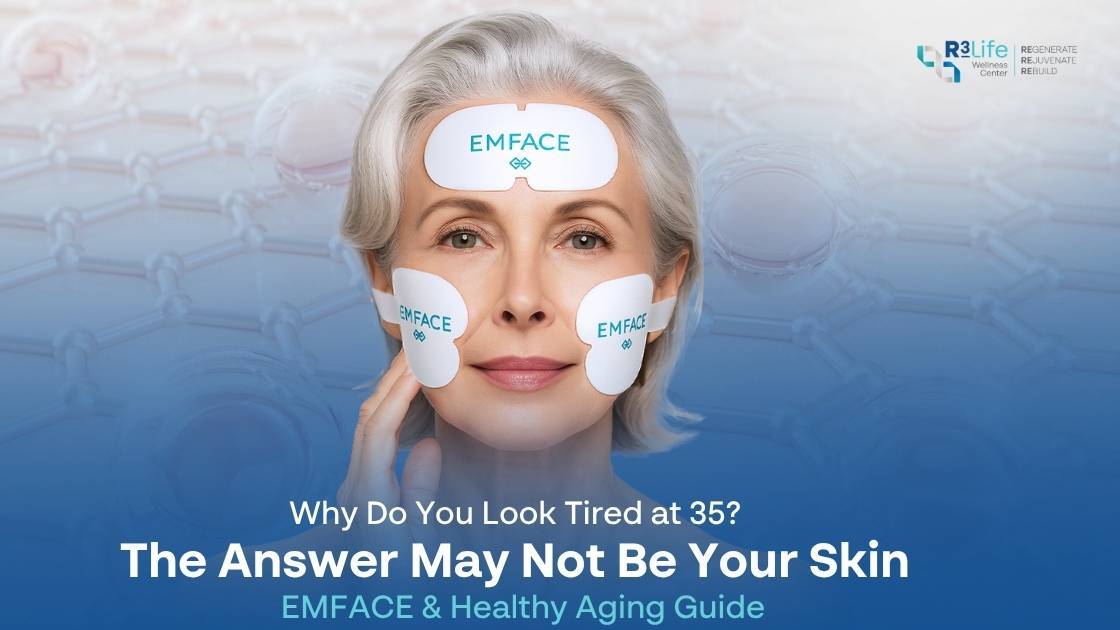
Why Do You Look Tired at 35? The Answer May Not Be Your Skin | EMFACE & Healthy Aging Guide
Many people experience a frustrating situation.
You sleep 7–8 hours every night, follow a consistent skincare routine, and even wear makeup—but people still ask:
"You should get more rest. You look tired."
Or perhaps when you look at recent photos, your face seems less vibrant than it used to, even though your weight hasn't changed and you're using the same skincare products.
It's easy to assume the problem lies in your skin, leading many people to invest in collagen-boosting skincare or aesthetic treatments. However, facial aging is much more complex than changes in the skin alone.
Key Takeaways
- A tired-looking face is not caused by skin aging alone. It results from age-related changes in collagen, facial fat, bone structure, and facial muscles.
- Facial muscles also lose strength over time, which may contribute to sagging cheeks, a less defined jawline, and downturned corners of the mouth.
- Stimulating collagen alone may not address every concern because the underlying causes of facial aging vary from person to person.
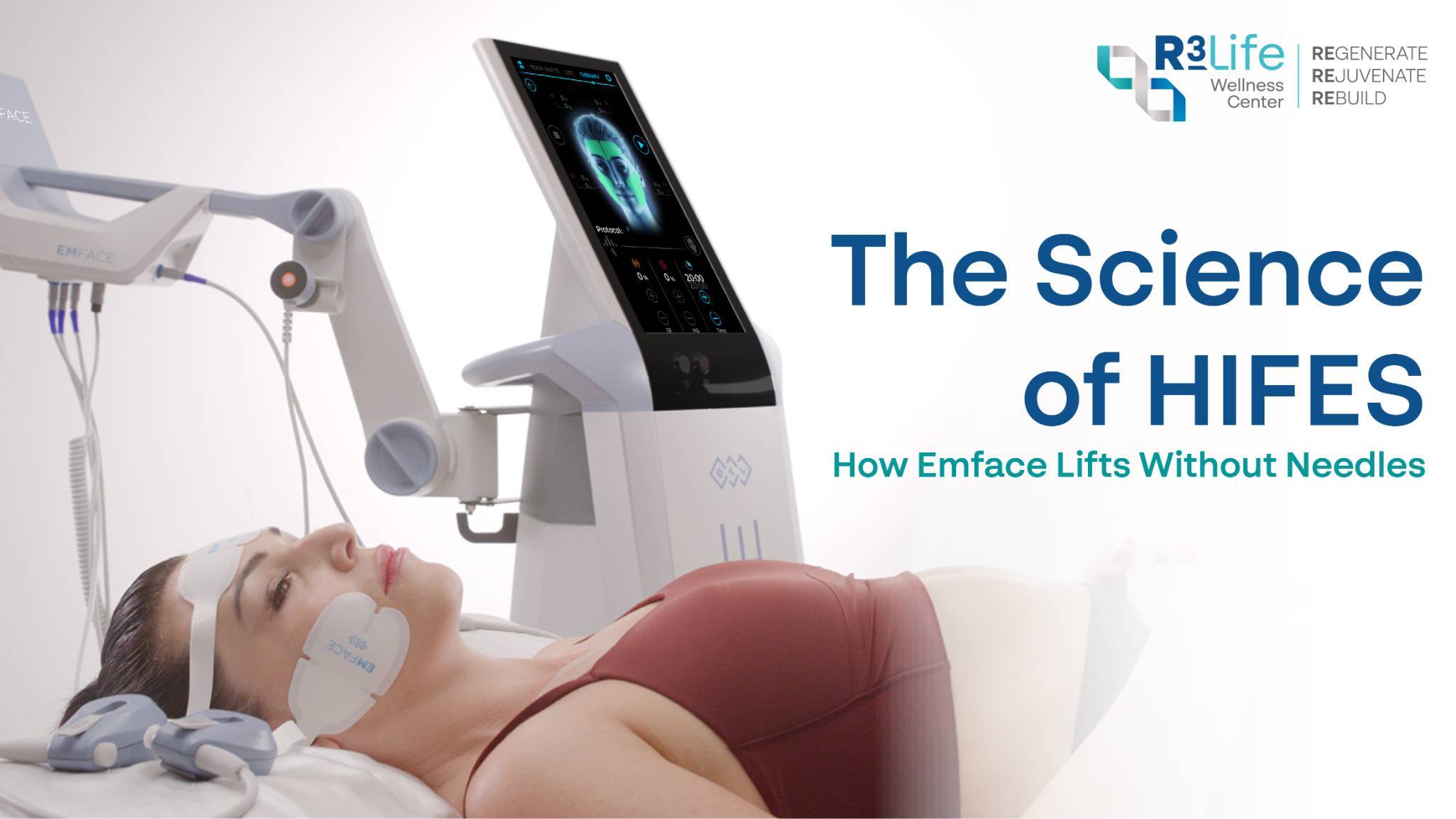
- EMFACE is a non-invasive technology designed to address both the skin and facial muscles using synchronized Radiofrequency (RF) and HIFES™ technology.
- A Healthy Aging approach focuses on the entire facial structure rather than treating wrinkles alone, allowing treatment to be tailored to each individual's needs.
Facial Aging Involves More Than Just the Skin
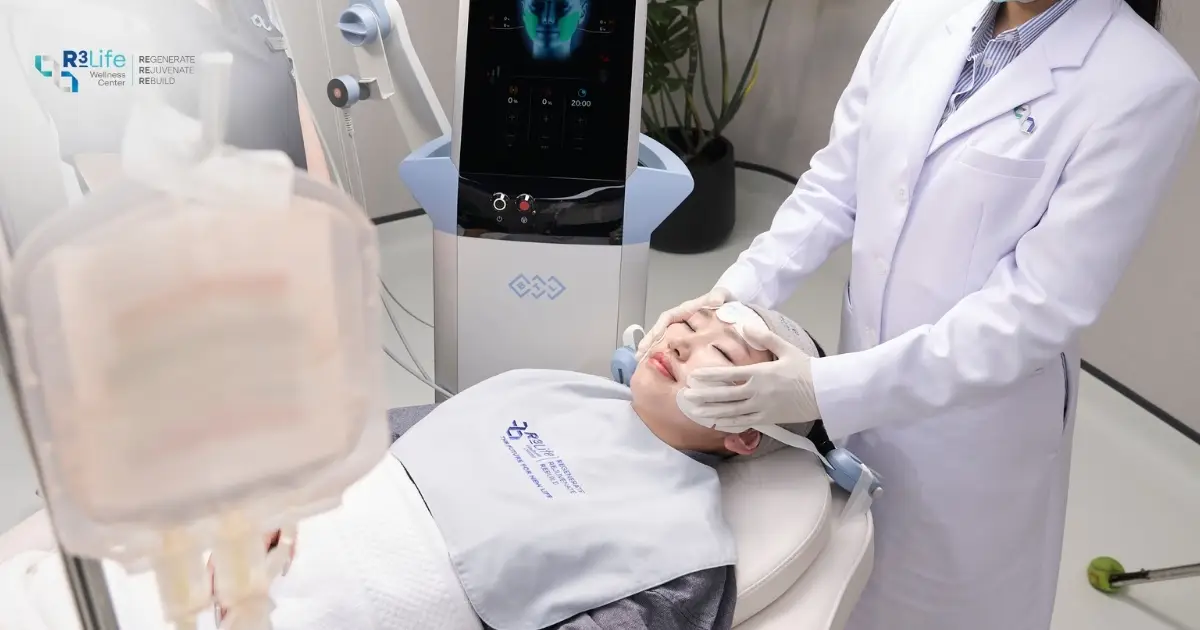
As we age, several layers of the face change simultaneously.
These include:
- Reduced collagen and elastin production, leading to decreased skin firmness.
- Shifting facial fat pads, causing certain areas to appear hollow while others begin to sag.
- Gradual changes in facial bone structure, affecting support for the overlying tissues.
- Declining strength and function of facial muscles, reducing their ability to support facial contours.
This explains why some people still have relatively healthy-looking skin but nevertheless appear tired or older.
Why Are Facial Muscles Important?
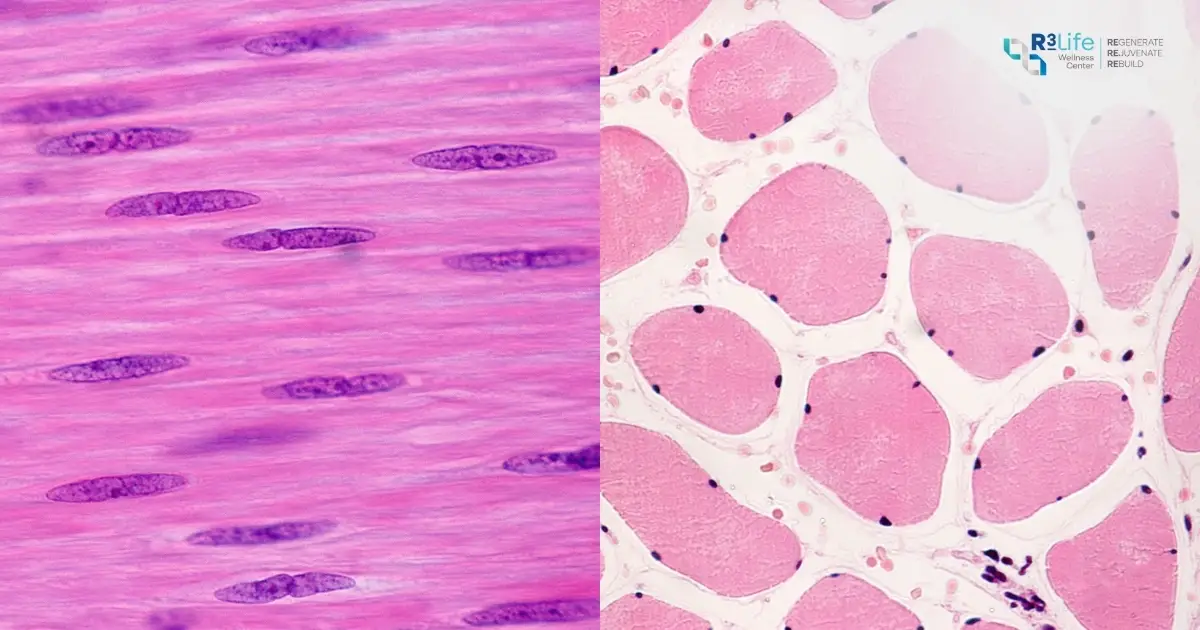
Every smile, laugh, conversation, and facial expression relies on dozens of facial muscles working together.
Like muscles elsewhere in the body, facial muscles also change with age. Their volume, strength, and functional performance may gradually decline, contributing to:
- Sagging cheeks
- Downturned mouth corners
- Loss of jawline definition
- A tired facial appearance despite adequate rest
This is one reason why skincare alone may not fully address age-related facial changes for everyone.
Isn't Collagen Enough?
Collagen plays a vital role in maintaining skin firmness and elasticity, and collagen-stimulating treatments can improve skin quality.
However, facial aging involves multiple anatomical layers—including the skin, fat, muscles, and facial framework. Because every individual ages differently, identifying the underlying cause is often more important than simply choosing the latest aesthetic technology.
Aesthetic Technology Is Looking Beyond the Skin
Modern aesthetic medicine has shifted toward treating the face as a three-dimensional structure rather than focusing solely on the skin.
One technology receiving growing attention is EMFACE, which combines:
- Synchronized RF to support collagen and elastin production.
- HIFES™ (High-Intensity Facial Electrical Stimulation) to stimulate supramaximal facial muscle contractions that cannot be achieved through normal facial expressions.
This dual-action approach is designed to improve both skin quality and facial muscle function simultaneously—without surgery or needles.
Who May Be a Good Candidate for EMFACE?
EMFACE may be suitable for individuals who:
- Feel their face looks tired or less refreshed
- Notice reduced jawline definition
- See early drooping around the mouth
- Have mild to moderate signs of facial aging
- Prefer a non-surgical, needle-free treatment with minimal downtime
A personalized consultation with a qualified physician is recommended, as every person's facial anatomy and aging pattern are unique.
Healthy Aging Means Looking Beyond the Surface
From the perspectives of Preventive Medicine and Longevity Medicine, facial aging should be approached much like overall health—it requires a comprehensive understanding rather than treating only what is visible.
Understanding why your face changes with age allows for a more personalized treatment strategy instead of simply following aesthetic trends.
Sometimes, what makes you look tired isn't your skin at all—it's the gradual changes occurring beneath the surface.
Frequently Asked Questions (FAQ)
Who is EMFACE suitable for?
EMFACE may be appropriate for individuals experiencing early signs of facial aging, such as reduced jawline definition, mild cheek sagging, downturned mouth corners, or an overall tired appearance. It is also an option for those seeking facial rejuvenation without surgery, injections, or significant downtime.
A physician consultation is recommended before treatment.
How many EMFACE sessions are recommended?
The manufacturer generally recommends a series of four treatments performed once weekly. However, the ideal treatment plan depends on each individual's facial condition, goals, and physician assessment.
Choosing EMFACE: Why Safety and Clinical Standards Matter
EMFACE combines Synchronized RF with HIFES™ technology. Achieving optimal outcomes requires proper patient assessment and individualized energy settings.
Before choosing a provider, consider the following:
- Is the clinic using an authentic, manufacturer-approved EMFACE device?
- Does the physician have experience evaluating facial anatomy and customizing treatment parameters?
- Does the clinic maintain appropriate safety protocols and standards of care?
Although EMFACE has demonstrated a favorable safety profile when used according to the manufacturer's guidelines, inappropriate treatment settings or inexperienced providers may increase the risk of temporary side effects such as skin irritation or excessive heat sensation.
Choosing a clinic should involve more than comparing prices. The quality of the equipment, physician expertise, and clinical safety standards are equally important factors.
Can EMFACE be combined with Ultherapy or Thermage?
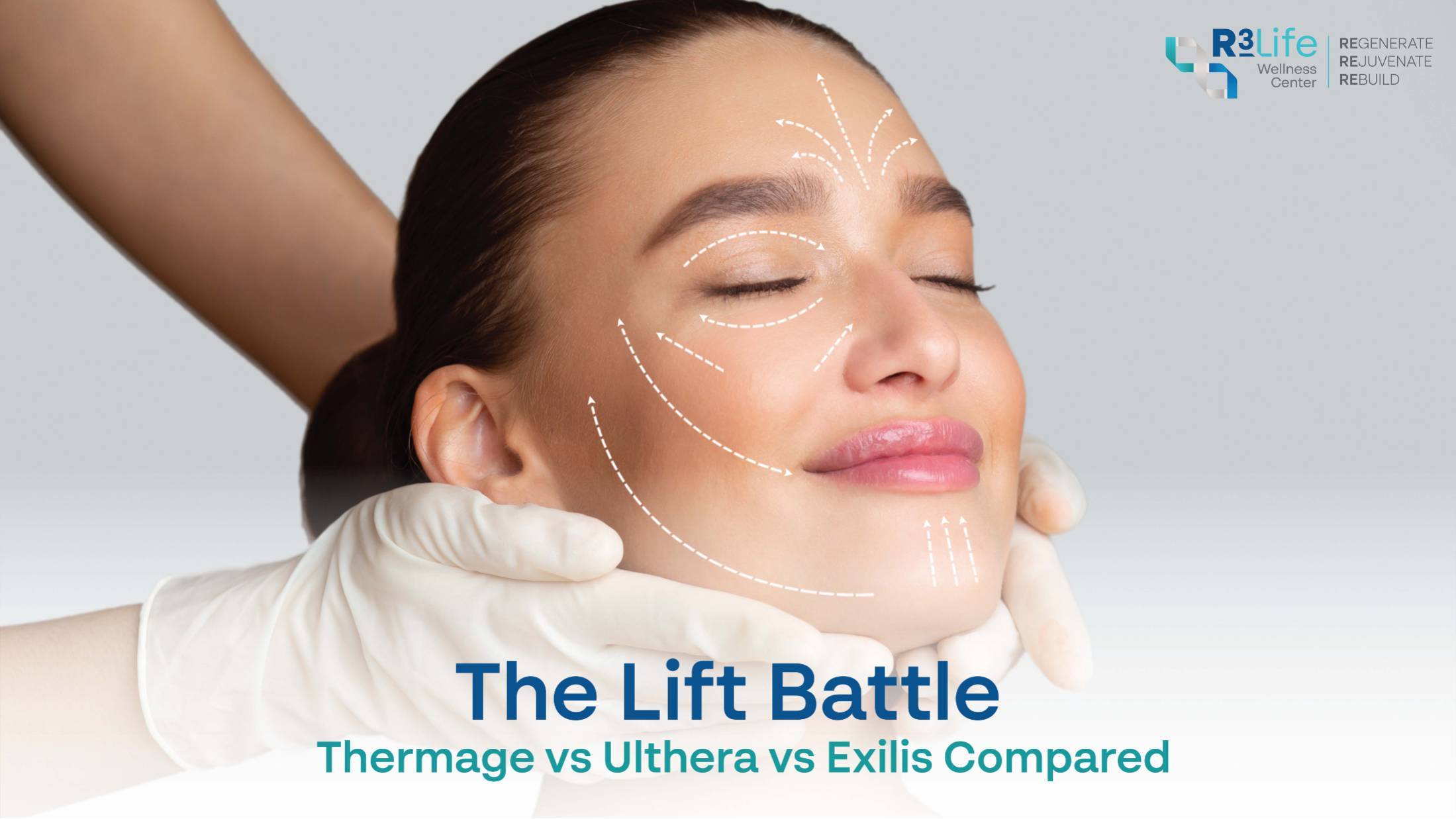
Yes. Depending on the physician's evaluation, EMFACE may be combined with treatments such as Ultherapy or Thermage because each technology targets different anatomical layers of the face.
An individualized treatment plan based on facial anatomy, skin condition, and aesthetic goals helps achieve the most appropriate outcome.
 Exosome for Skin Rejuvenation: Beautiful Skin Without Changing Your Face