
Filler Migration: Why Filler Moves and What Helps
Key Highlights
- Filler migration happens when injected filler moves away from its intended placement, often showing up as puffiness, lumps, or a blurred lip border.
- Placement technique, product choice, injected volume, and constant muscle movement all appear to influence whether filler stays where it was placed.
- Migration and overfilling are different problems, although both can distort facial proportions and often appear together in the same face.
- The shift toward natural results prioritizes skin quality and gradual collagen support before adding volume, rather than answering every change with filler.
- Hyaluronic acid filler can usually be dissolved, so a face that has drifted from its natural proportions can often be reset with physician guidance.
Quick Summary
Dermal filler was sold as temporary and predictable: have it when you want it, dissolve it when you don't (hyaluronic acid fillers only). For some people, it has turned out to be neither: filler can travel beyond where it was placed, and imaging studies suggest it can remain in tissue far longer than the months often quoted.
The result is a look some people now recognize: faces that seem puffy, heavy, or subtly unlike their owners. That recognition has driven a visible shift in what patients ask for, away from adding volume and toward restoring skin quality and proportion.
This article explains why filler moves, how the overfilled look developed, and what a more natural approach involves in practice.
What Filler Migration Is
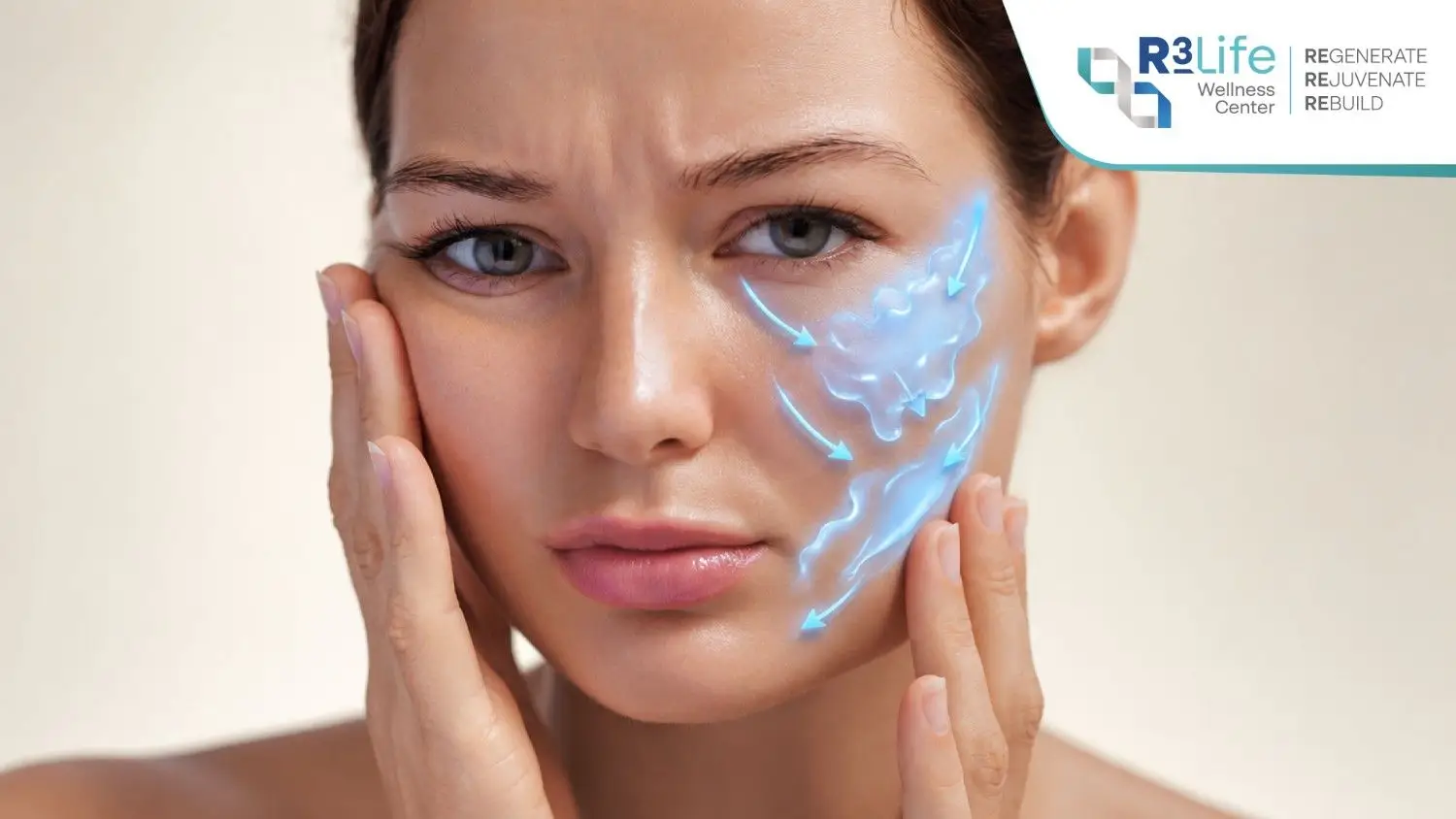
Filler migration describes filler that has moved away from the area where it was injected. It is most often discussed in relation to hyaluronic acid (HA) fillers, the most widely used type.
How and Why Filler Moves
Several factors appear to contribute:
- Placement: filler placed too superficially, or in the wrong tissue layer, may be more likely to shift.
- Volume: larger amounts in one area put more pressure on the surrounding tissue.
- Movement: areas that move constantly, such as the lips and around the mouth, place ongoing stress on filler.
- Product properties: HA gels differ in firmness and cohesiveness, and a product suited to one area may behave differently in another.
- Water attraction: HA naturally draws in water, which can add swelling beyond the volume injected.
Because these factors interact, migration can appear months or even years after treatment rather than right away. What links them is the physician’s experience. Choosing the right product for each area, placing it in the right tissue layer, and analyzing how much the volume a face can hold, given how it moves day to day, are clinical decisions made at the time of treatment.
Timing matters too. A 2024 MRI study found hyaluronic acid filler still present in the mid-face of every patient at least two-three years after injection, and in some cases up to 15 years later, well beyond the 3 to 12 months often quoted A physician who plans around that longevity adds less, both in volume and frequency, which helps keep migration from starting in the first place.
The Signs People Notice First
Migration is usually subtle at first. Common early signs include:
- A lip border that looks blurred, or a ridge of filler above the upper lip
- Puffiness under the eyes that does not track with sleep or diet
- Fullness in the cheeks or midface that looks heavy when smiling
- Small lumps or asymmetry that were not present after the original treatment
- Deeper, more noticeable folds running from the nose to the corners of the mouth, which can form when filler placed in the cheeks or under the eyes shifts downward
None of these signs alone confirms migration. A physician assessment is the only reliable way to tell what is happening beneath the skin.
Migration and Overfilling Are Not the Same Thing
Migration refers to filler being found beyond its intended placement, while overfilling refers to excessive volume or accumulated filler that changes facial proportions. Migration can occur for multiple reasons and does not necessarily mean that the original treatment was performed incorrectly. Overfilling may also develop gradually through repeated treatments over time. Because the two can look similar—and may sometimes coexist—physician assessment is important before deciding whether to dissolve, wait, or consider another treatment.
How the Overfilled Look Developed
An overfilled face rarely comes from one treatment. It usually builds gradually, shaped by a particular way of thinking about aging.
Volume-First Thinking
For years, facial aging was framed largely as volume loss, and filler became the default answer. But aging also involves declining collagen, loosening skin, shifting fat pads, and changes in bone structure. Filler asked to address all of these can add volume without restoring natural shape.
Why Repeat Treatment Compounds the Effect
Several patterns make overfilling easy to drift into:
- Top-ups may be added before earlier filler has fully broken down.
- Gradual change is hard to notice in your own face, so each step looks small in isolation.
- Each session tends to address the most visible concern rather than overall proportion.
Over time, small additions can accumulate into a look that no single treatment intended.
What the Shift Toward Natural Results Involves
The move toward natural results is less about avoiding treatment and more about sequencing it differently. We cover the wider trend in Facial Injection Trends in Your 30s: Undetectable Aesthetics. Here, the focus is on what it means for someone whose filler has moved.
Treating Skin Quality Before Adding Volume
Skin that is firmer, more elastic, and better hydrated reflects light more evenly and often looks younger without added volume. Addressing quality first means any volume added later can be smaller and more targeted.
Collagen Stimulation as a Slower Route
A collagen stimulator, sometimes called a biostimulator, is an injectable designed to prompt the skin to produce more of its own collagen. Results build gradually over weeks to months rather than appearing immediately.
Because the change comes from the body’s own response, it tends to read as better skin rather than added fullness, though outcomes differ among individuals.
Combining Devices With Injectables
Energy-based devices address concerns that filler cannot:
- Radiofrequency treatments tighten existing collagen and encourage new collagen formation over the following months.
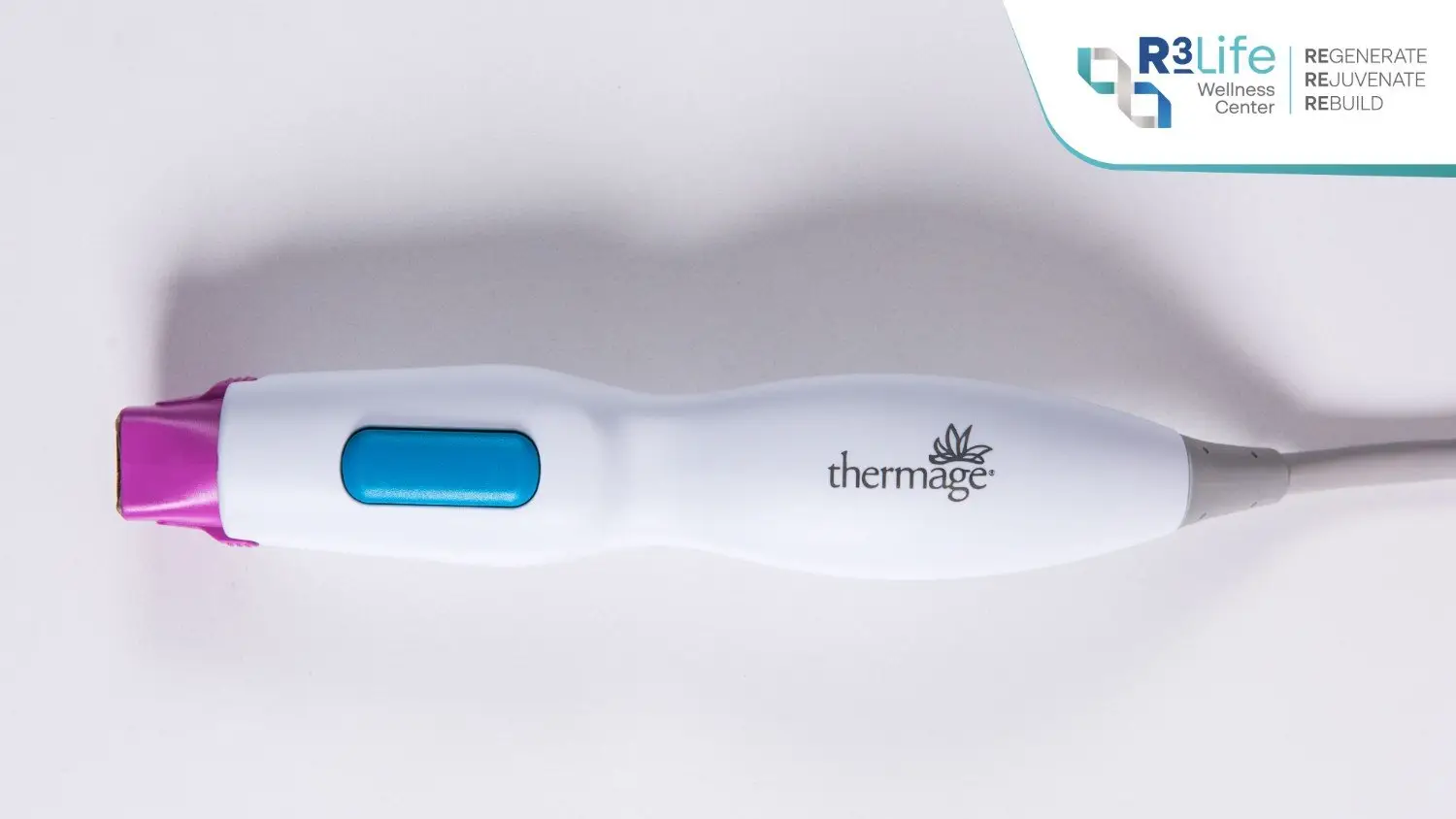
- Focused ultrasound lifts deeper structural layers, at depths calibrated to each person and facial zone. This helps lift skin that has started to sag with age, a change many people once tried to correct with filler.
Used together, devices and conservative injectables can often achieve with less product what filler alone once attempted. Our comparison of tightening and lifting devices explains the differences in more detail.
Who This Approach Suits
At R3 Life Wellness Center, a natural-results plan is built around the individual face rather than a fixed menu. It tends to suit two groups in particular.
Starting From an Overfilled Baseline
For someone whose filler has migrated or accumulated, the first step is usually assessment, not more product. Where HA filler needs correcting, dissolving it may come first, followed by time for the tissue to settle.
Rebuilding then focuses on skin quality. Options may include:
- Juvelook, which combines PDLLA with hyaluronic acid to stimulate the skin’s own collagen production gradually
- Collaju, a purified atelocollagen that replenishes collagen directly within the dermal layer to firm and smooth the skin
- Thermage FLX, which tightens existing collagen and supports new collagen formation over time
- Ulthera SPT, which lifts the facial structure from within
The right combination depends on what the assessment shows, and outcomes differ among individuals.
Planning a Longer Treatment Arc
Natural results usually come from several smaller steps spaced over months, with progress reviewed along the way. Where genuine volume loss remains, a carefully placed filler such as Restylane can still play a supporting role, used conservatively to preserve natural expression.
It asks for more patience than a single appointment, and in return tends to produce changes that look like the person, not the treatment.
Frequently Asked Questions About Filler Migration
Q: Can migrated filler be dissolved?
A: Hyaluronic acid filler can usually be broken down with an enzyme called hyaluronidase, injected by a physician. Some non-HA fillers cannot be dissolved this way, so knowing which product was used matters. An assessment will confirm whether dissolving is the right first step.
Q: How long should I wait after dissolving filler before starting a new treatment?
A: There is no single timeline. Tissue often needs time to settle so the face can be assessed in its natural state, and many physicians prefer to reassess before planning further steps. Your physician will advise based on how your skin responds.
Q: Is a collagen stimulator a replacement for filler?
A: Different purposes. Filler adds volume directly, while a collagen stimulator supports skin quality gradually. For someone recovering from filler migration, starting with skin quality often means less filler is needed later, if any.
Q: What should a good consultation include if I’m worried about filler migration?
A: A thorough consultation reviews your full treatment history, the products used, and how your face moves, not only the area of concern. It should end with a plan across several months rather than a single session. At R3 Life, consultations follow this assessment-first approach, and treatment is recommended only where it genuinely suits the individual.
Conclusion
Filler migration can occur and may sometimes be subtle. When HA filler is involved, treatment options such as hyaluronidase may be considered after physician assessment. The broader lesson is that a natural result rarely comes from adding more volume. It comes from restoring skin quality and proportion in the right order.
At R3 Life Wellness Center, aesthetic treatment begins with a physician assessment to understand your facial structure, previous treatments, and individual concerns before recommending the next step. If filler has moved, or you simply want a more natural approach from here, you can book an assessment at r3lifewellness.com or via WhatsApp at +66 88 689 8888.

 How to Boost Immunity in Bangkok's Rainy Season