Mpox (Monkeypox): Symptoms, Prevention & Immune Health | R3 Life
How does mpox spread? Learn about monkeypox symptoms, recovery, prevention, and how Vitamin D3 and multivitamins support immune health.
Mpox (Monkeypox): Symptoms, Prevention & Immune Health | R3 Life
Key Takeaways About Mpox and Immune Health
- Mpox spreads primarily through close contact, particularly direct contact with infected skin lesions, rashes, or contaminated personal items.
- Common mpox symptoms include fever, swollen lymph nodes, and skin rashes or blisters. Some people may develop a rash without experiencing fever.
- Most people recover from mpox within 2–4 weeks, although those with weakened immune systems may face a higher risk of complications.
- Preventing exposure and getting vaccinated when recommended are essential. Vitamins can support overall immune health but should not be relied upon to prevent mpox infection.
What Is Mpox (Monkeypox)? Symptoms, Prevention, and Immune Health
Mpox, formerly known as monkeypox, is a viral infectious disease that continues to affect people in several countries. Although most individuals recover within a few weeks, some may experience severe symptoms or complications.
Understanding how mpox spreads, recognizing its symptoms, and taking appropriate preventive measures are essential. Maintaining good overall health and supporting normal immune function are also important parts of long-term wellness.
How Does Mpox (Monkeypox) Spread?
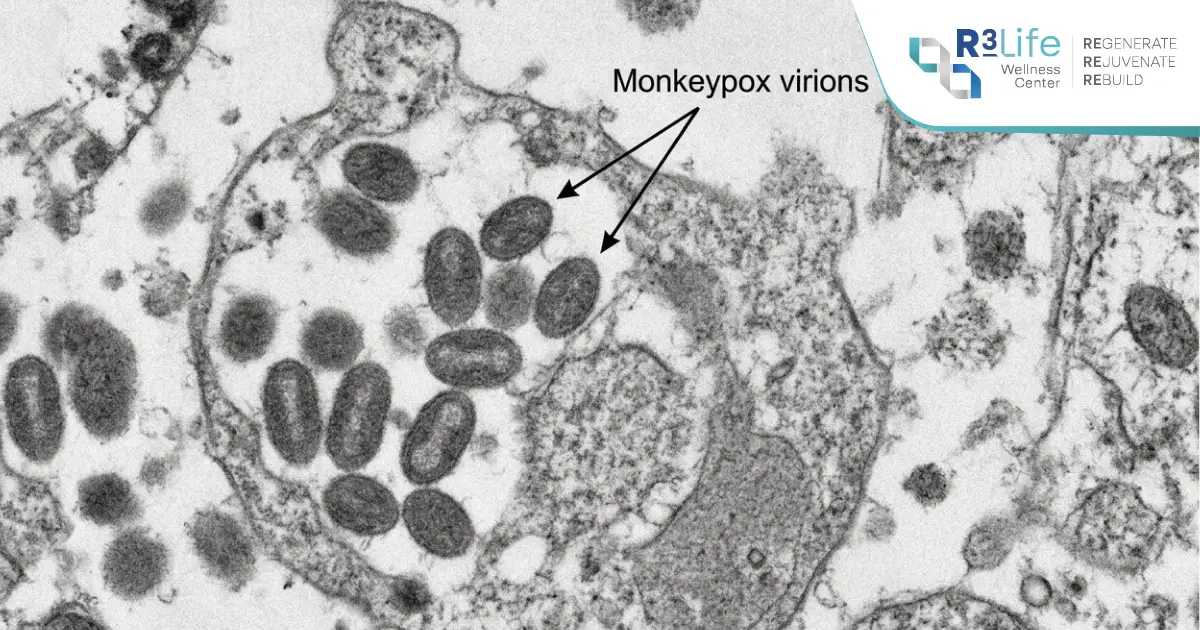
Mpox is caused by the monkeypox virus (MPXV), which can spread from animals to humans and between people, particularly through close physical contact.
Common routes of transmission include:
- Direct contact with an infected person's rash, blisters, or skin lesions
- Close physical contact, including hugging, kissing, or sexual activity
- Contact with contaminated items such as towels, clothing, or bedding
- Close face-to-face contact involving infectious respiratory particles
Mpox can affect people of any age or gender, especially those who have had close contact with someone who is infected.
What Are the Symptoms of Mpox, and Can It Go Away on Its Own?
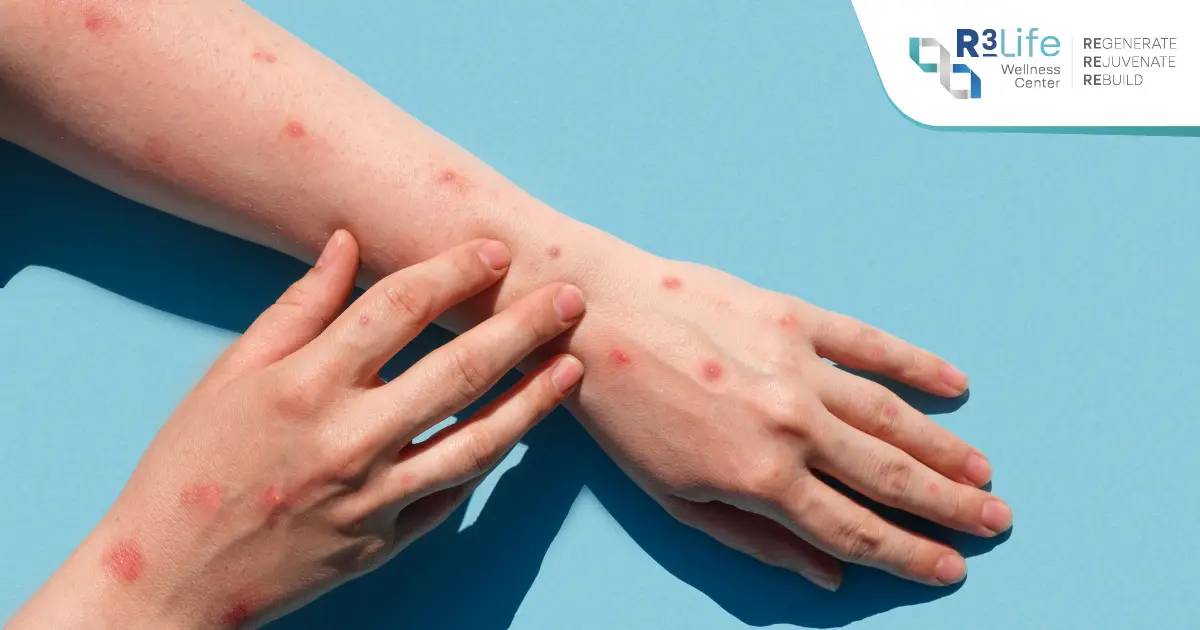
Mpox symptoms may appear approximately 3–21 days after exposure. Common symptoms include fever, headache, muscle aches, fatigue, swollen lymph nodes, and skin rashes that may develop into fluid-filled blisters or pustules. Some individuals may develop only a few skin lesions without fever.
Most people recover within 2–4 weeks. However, individuals with weakened immune systems, pregnant women, and young children may be at greater risk of complications. If you suspect an mpox infection, avoid close contact with others and seek medical evaluation at a hospital.
How Can You Prevent Mpox Infection?
Mpox prevention begins with reducing the risk of exposure. Avoid direct contact with infected skin lesions, do not share potentially contaminated personal items, and practice good hygiene. For individuals at increased risk, healthcare professionals may recommend an mpox vaccine, such as JYNNEOS. If you have been exposed to someone with mpox, seek medical advice promptly. Post-exposure vaccination may help reduce the risk of infection, particularly when administered within four days of exposure. Vaccination may also be considered up to 14 days after exposure if symptoms have not developed.
Can Vitamins Help Strengthen Immunity Against Mpox?
The immune system plays an essential role in recognizing and responding to pathogens, regulating inflammation, and supporting the body's natural recovery processes.
Certain vitamins and minerals, including Vitamin C, Vitamin D, Vitamins B6 and B12, and zinc, contribute to normal immune function. Inadequate intake of these nutrients may affect how effectively the immune system operates. Vitamin supplementation can therefore be one way to support nutritional health and normal immune function, alongside a balanced diet, sufficient sleep, and regular physical activity.
However, vitamins have not been proven to directly prevent or treat mpox. Appropriate infection prevention measures and vaccination, when recommended, remain important.
How Do Multivitamins and Vitamin D3 Support Immune Health?
Nutri Life – Multivitamin IV Drip
Nutri Life is a multivitamin intravenous (IV) drip offered at R3 Life Wellness Center. Its formulation includes Vitamin C, Vitamin B Complex (B100), Vitamin B1, Vitamin B6, and magnesium. These nutrients contribute to normal immune function, energy metabolism, and nervous system health. Intravenous vitamin supplementation may be considered for individuals with specific medical or nutritional needs, following an assessment by a physician.
Vitamin D3: An Essential Nutrient for Immune Function
Vitamin D3 plays an important role in bone health, calcium regulation, and normal immune cell function.
Although the body naturally produces Vitamin D through sunlight exposure, individuals who spend most of their time indoors or have certain risk factors may not obtain sufficient Vitamin D.
At R3 Life Wellness Center, Vitamin D supplementation options include:
- Vitamin D3 Injection: A 300,000 IU injection available for individuals with specific medical indications. A physician determines whether treatment is appropriate and the interval between injections, which may be several months depending on individual needs and response.
- Vitamin D3 + K2 (ImmuneActive): R3 Life's oral supplement containing 5,000 IU of Vitamin D3 and Vitamin K2 in the MK-7 form, supporting normal immune function and bone health.
A blood test measuring 25-Hydroxy Vitamin D may be recommended when clinically indicated to help determine an appropriate supplementation approach. High-dose Vitamin D is not necessary or suitable for everyone and should be used under medical guidance.
Frequently Asked Questions (FAQ)
1. Can Mpox Go Away on Its Own, and How Long Does Recovery Take?
Most people recover from mpox within 2–4 weeks, although recovery time depends on the severity of infection and individual health conditions. If you suspect an infection, seek medical evaluation for appropriate care and guidance to help reduce the risk of complications.
2. Can Vitamin D3 or IV Vitamin Drips Help Prevent Mpox?
While vitamins do not directly prevent mpox, maintaining good overall health and adequate nutrition helps support normal immune function and the body's natural ability to respond to infections.
Vitamin supplementation may be considered as part of a broader wellness approach, alongside appropriate infection prevention measures and vaccination when recommended.
Preventive Healthcare at R3 Life Wellness Center
A healthy body provides an important foundation for long-term well-being.
At R3 Life Wellness Center, we emphasize personalized preventive healthcare through vitamin and mineral assessments when appropriate, along with nutritional supplementation options, including multivitamin IV drips and Vitamin D3.
Under physician supervision, our approach focuses on helping individuals meet their nutritional needs, supporting normal immune function, and promoting long-term health.
Because better health begins with understanding what your body needs.
Contact R3 Life Wellness Center to arrange a complimentary initial medical consultation and explore a personalized preventive healthcare approach.

 Mindful Mat Pilates at ANAPANA SATI | R3 Life Bangkok