5 Health Tech Gifts for Parents 60+
5 Health Tech Gifts for Parents 60+: What’s Right for Your Aging Parents?
5 Key Takeaways
- Health technology for older adults ranges from connected blood pressure monitors and smartwatches to medical alert systems, with each device serving a different purpose.
- Fall detection can be a particularly useful safety feature for older adults, especially those who live alone.
- New wearable devices are becoming less complicated, with some designed to work quietly in the background while allowing family members to stay informed.
- Health technology can measure, track, and flag changes, but it cannot always explain why those changes are happening.
- The best health gift for aging parents may not be the device with the most features, but the one that fits their daily life and that they will actually use.
If you have ever searched for “gifts for aging parents,” “health gifts for elderly parents,” or “how to care for aging parents remotely,” you may be looking for more than just another gift.
What you may really be looking for is peace of mind: when you cannot be there in person, how can you know that your parents are doing well?
According to the World Health Organization (WHO), by 2030, 1 in 6 people worldwide will be aged 60 or older. By 2050, the global population aged 60 and above is expected to reach approximately 2.1 billion.
At the same time, technology for older adults is becoming more sophisticated, from familiar health devices with better connectivity to wearables that allow families to notice changes even when they live in different homes, cities, or countries.
So perhaps the better question is not “Which device is the best?”
It is “What does my parents actually need help with?”
1. Smart Blood Pressure Monitors: Simple, but Practical
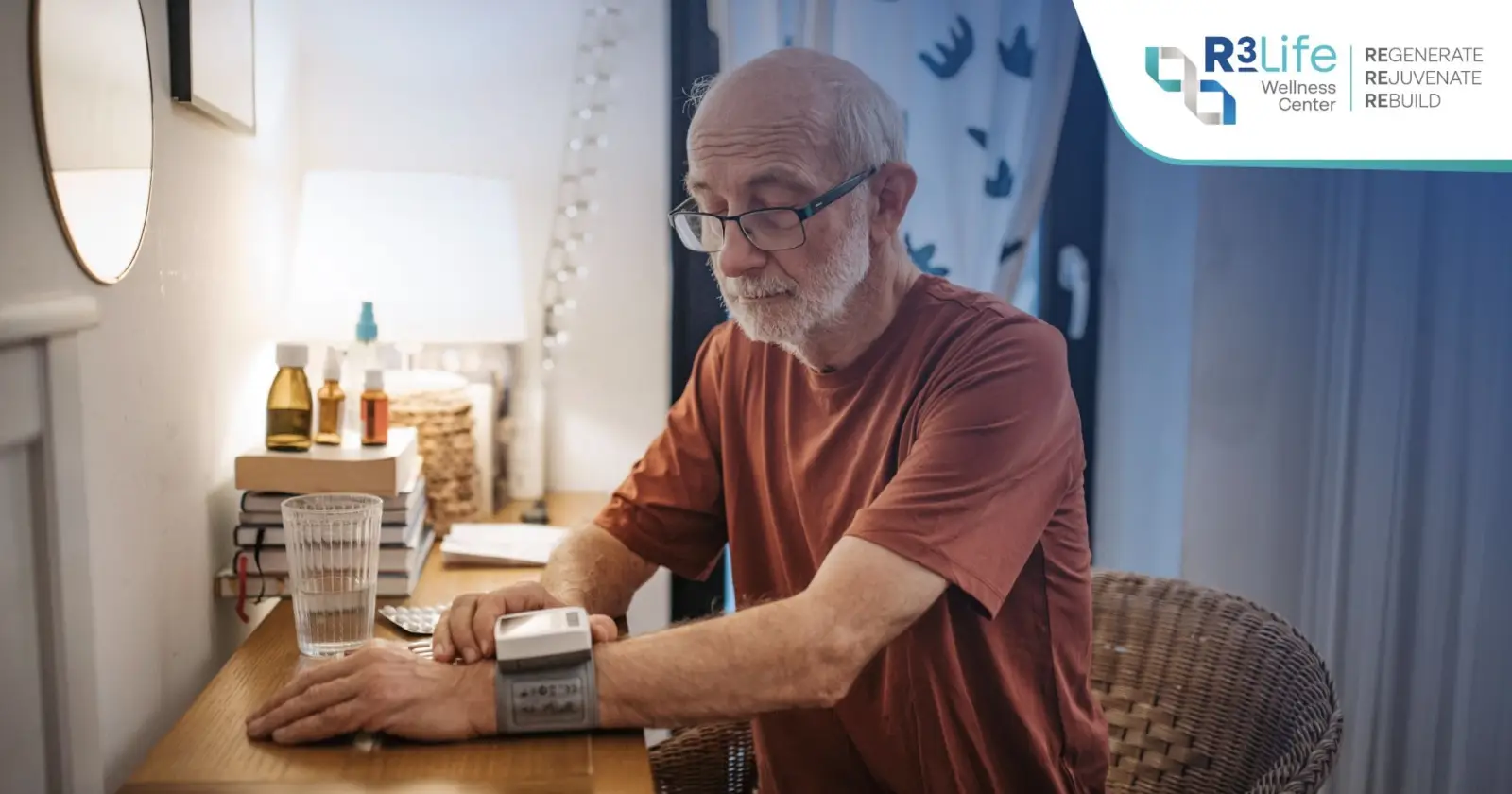
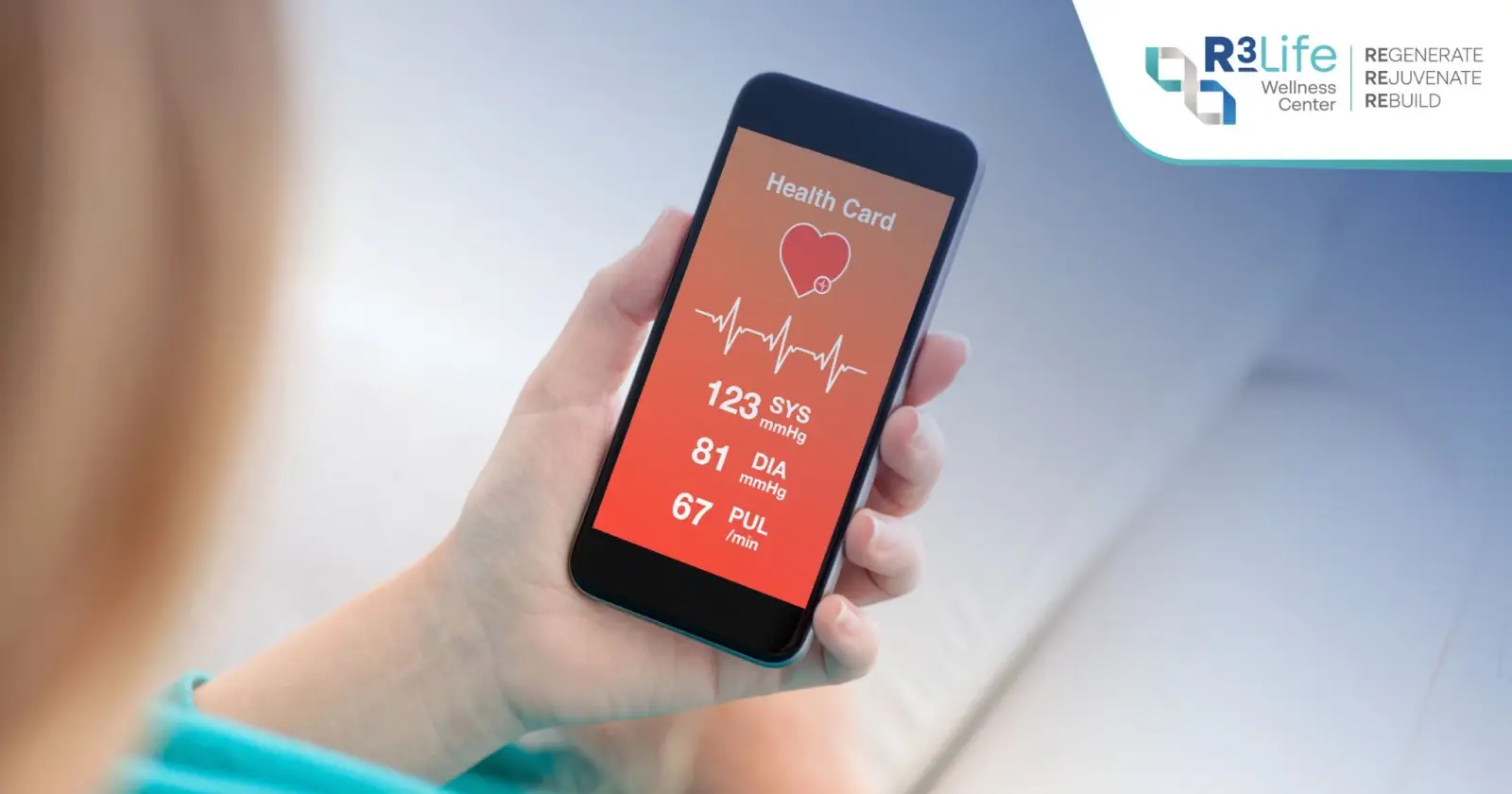
For parents who need to monitor their blood pressure regularly, newer blood pressure monitors can connect to apps, store readings over time, and make it easier to see trends.
These records can also be useful when speaking with a doctor. Instead of trying to remember what blood pressure readings have been like over the past few weeks, you can bring the recorded information to the appointment.
However, accuracy does not depend on the device alone. Cuff size, body position, resting before measurement, and proper measurement technique all matter.
Before buying: Consider the reliability of the device, appropriate cuff size, ease of use, and whether readings can be conveniently stored or shared.
2. Smartwatches: More Than Step Counting
For parents aged 60+, the most useful smartwatch features may have little to do with step counts or fitness goals.
Features such as Fall Detection and Emergency SOS may be more relevant, particularly for older adults who spend time alone.
WHO identifies falls as the second leading cause of unintentional injury deaths worldwide, with adults over 60 experiencing the greatest number of fatal falls.
The Apple Watch, for example, includes several safety-focused functions, while other smartwatches are designed specifically for older adults with simpler menus and easier access to emergency features.
Before buying: Check how the emergency functions work, whether a nearby smartphone is required, battery life, and perhaps most importantly whether your parents are comfortable wearing the device consistently.
3. Screenless Wearables: Technology Working Quietly in the Background
Another emerging trend is the screenless wearable. Instead of asking older adults to navigate menus or interpret information on a small screen, these devices can collect data quietly in the background.
One recent example is Luffu Link, introduced in 2026 by Fitbit co-founders of the company. It is designed to track information including physical activity, sleep, resting heart rate, heart rate variability (HRV), and respiratory rate, while allowing family members to stay informed about certain changes through an app.
This approach may be particularly interesting for families living apart because the older adult does not have to constantly check and interpret the data themselves.
However, families should agree on what information will be shared and with whom. Convenience should not come at the expense of the older adult's privacy and independence.
Note: At the time of writing, Luffu Link remains available for preorder, with initial deliveries expected in 2027.
4. Medical Alert Systems and Smart Pill Boxes
If your parent does not want a multifunction smartwatch, a device designed to solve one specific problem may be a better choice.
Modern medical alert systems may include an emergency button, GPS location services, and automatic fall detection. They address a simple but important question:
“If something happens when no one is around, how will my parents get help?”
A smart pill box, meanwhile, can provide medication reminders and, depending on the system, notify family members when a compartment has not been opened.
But opening a pill compartment does not confirm that the medication was actually taken. If there is uncertainty about how or when medication should be used, the medication list should be reviewed with a doctor or pharmacist.
5. Smart Home Technology: Looking Beyond Health Numbers
Caring for aging parents remotely is not only about monitoring heart rate or blood pressure. Sometimes, changes in everyday routines can also be useful information.
A smart speaker may make communication and reminders easier, while a motion sensor or smart plug may help families notice changes in usual household activity.
For example, if there is normally activity in the kitchen every morning but one day there is none, that change might prompt a family member to check in.
However, monitoring activity inside the home raises important privacy considerations. Families should discuss what is being monitored and establish boundaries that everyone is comfortable with.
Health Technology Can Show a Change. It Cannot Always Explain the Cause.
When viewed together, each type of technology plays a different role.
Blood pressure monitors record measurements. Smartwatches and wearables can track certain changes. Medical alert systems help people call for assistance. Smart pill boxes support medication routines. Smart home technology can help families stay connected from a distance.
But they share an important limitation: The data they collect does not always tell you why something has changed.
A change in blood pressure, heart rate, or sleep may be associated with many factors, including daily routines, sleep, medication, an existing health condition, or even measurement error.
Technology can help us notice a change. A doctor can then consider that information alongside symptoms, medical history, medications, and previous test results to determine whether something should be monitored or investigated further.
A Good Gift Starts With Understanding What Your Parents Need
Before buying another device, start with a simple question:
“What am I most concerned about in my parent's daily life right now?”
The best device may not be the one with the most advanced technology. It may simply be the one that addresses a real need and that your parents are comfortable using consistently.
At R3 Life, our physicians can listen to the concerns of both older adults and their families, then consider medical history, symptoms, medications, previous test results, and other relevant information to determine what may need monitoring or further evaluation.
If your parents already use a smartwatch, blood pressure monitor, or another health device, you can also bring those records to the consultation. Device data can provide useful information about daily patterns, but it should be used as supporting information rather than as a diagnosis on its own.
Ultimately, a health gift for your parents may be more than a device. It can be the beginning of a better conversation about what they need to stay well as they age.

Frequently Asked Questions (FAQ)
1. My parents are not comfortable with technology. What should I start with?
Start with the problem you want to solve. Do they need to monitor blood pressure regularly? Are you concerned about falls? Do they sometimes forget medication, or do they need an easier way to call for help?
Choose a device that is easy to understand and that your parents are willing to use. The device with the most features is not necessarily the best device for every older adult.
2. Can I interpret health data from a smartwatch or health device myself?
Health devices can be useful for measuring and tracking changes, but seeing a number does not necessarily mean you can accurately interpret what that number means for someone's health.
A high, low, or changing measurement may have different significance from one person to another. A doctor can consider it alongside age, symptoms, existing conditions, medications, medical history, and other test results.
If a device repeatedly shows an unusual reading or changing trend, rather than guessing what a single number means, consider bringing the recorded data to a doctor for professional assessment.
When it comes to health, knowing the number is only part of the picture. Understanding what that number means for that individual is what matters.
3. When should I take my parents to see a doctor even if they feel well?
You do not have to wait for symptoms before paying attention to health. Regular health checkups remain important as people age because they provide opportunities to screen for and monitor health risks over time.
A preventive medicine approach can also consider information from multiple sources, including health screening results, family history, existing conditions, medications, lifestyle, and data from smartwatches, blood pressure monitors, or other health devices.
This helps the physician consider what should be monitored, what may represent a risk, and whether any additional evaluation may be appropriate.
So if you have already bought a health device for your parents, the information it collects does not have to stay inside an app. It can become useful supporting information for the next conversation with their doctor.
If your parent develops severe symptoms such as chest pain, difficulty breathing, fainting, sudden weakness, or sudden confusion, seek emergency medical attention immediately.
 World Breastfeeding Week: The First Immune System and Where It Truly Begins