Frontotemporal Dementia: Signs, Causes & Diagnosis
Key Highlights
- Frontotemporal dementia is a leading cause of dementia in people under 65 and often begins with personality or behavior change.
- Unlike Alzheimer's disease, memory is frequently preserved in the early stages of frontotemporal dementia.
- Because early symptoms resemble psychiatric conditions, frontotemporal dementia is often misdiagnosed and can take years to identify.
- There is currently no cure or approved treatment that stops frontotemporal dementia, so care focuses on symptoms and support.
- Early, accurate diagnosis by a specialist improves planning, support, and access to appropriate care and research studies.
Quick Summary
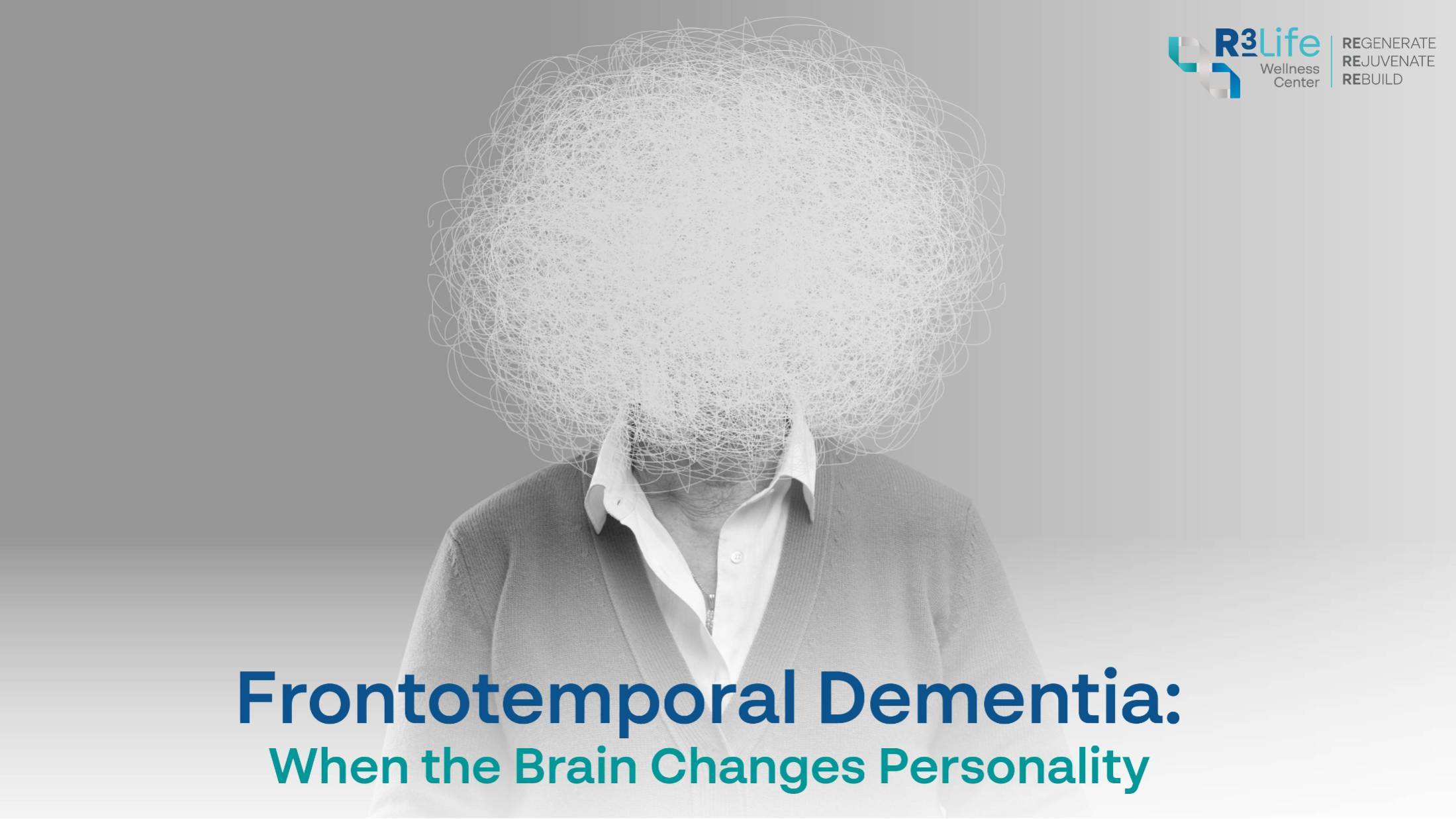
When people picture dementia, they usually think of memory loss. Frontotemporal dementia, or FTD, breaks that expectation. It often shows up first as a change in personality, behavior, or language, while memory stays largely intact.
This unusual pattern makes FTD one of the most misunderstood forms of dementia. Families may sense that something is wrong long before anyone connects it to the brain, and a correct diagnosis can take years.
Understanding how FTD works, how it differs from Alzheimer's disease, and why it is so often missed can help people recognize the signs sooner and seek the right specialist care. Here is what the current science shows.
What Is Frontotemporal Dementia?
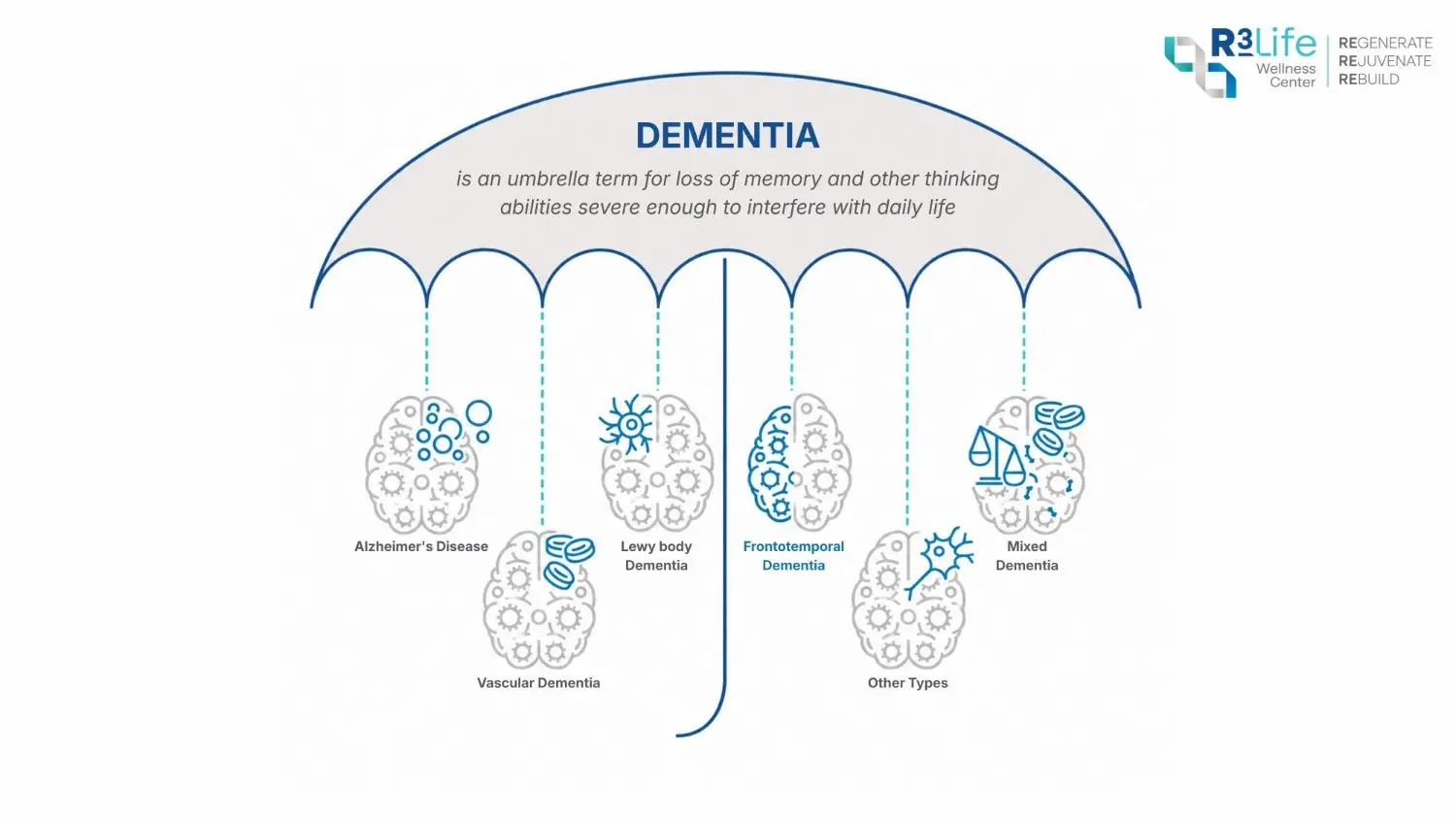
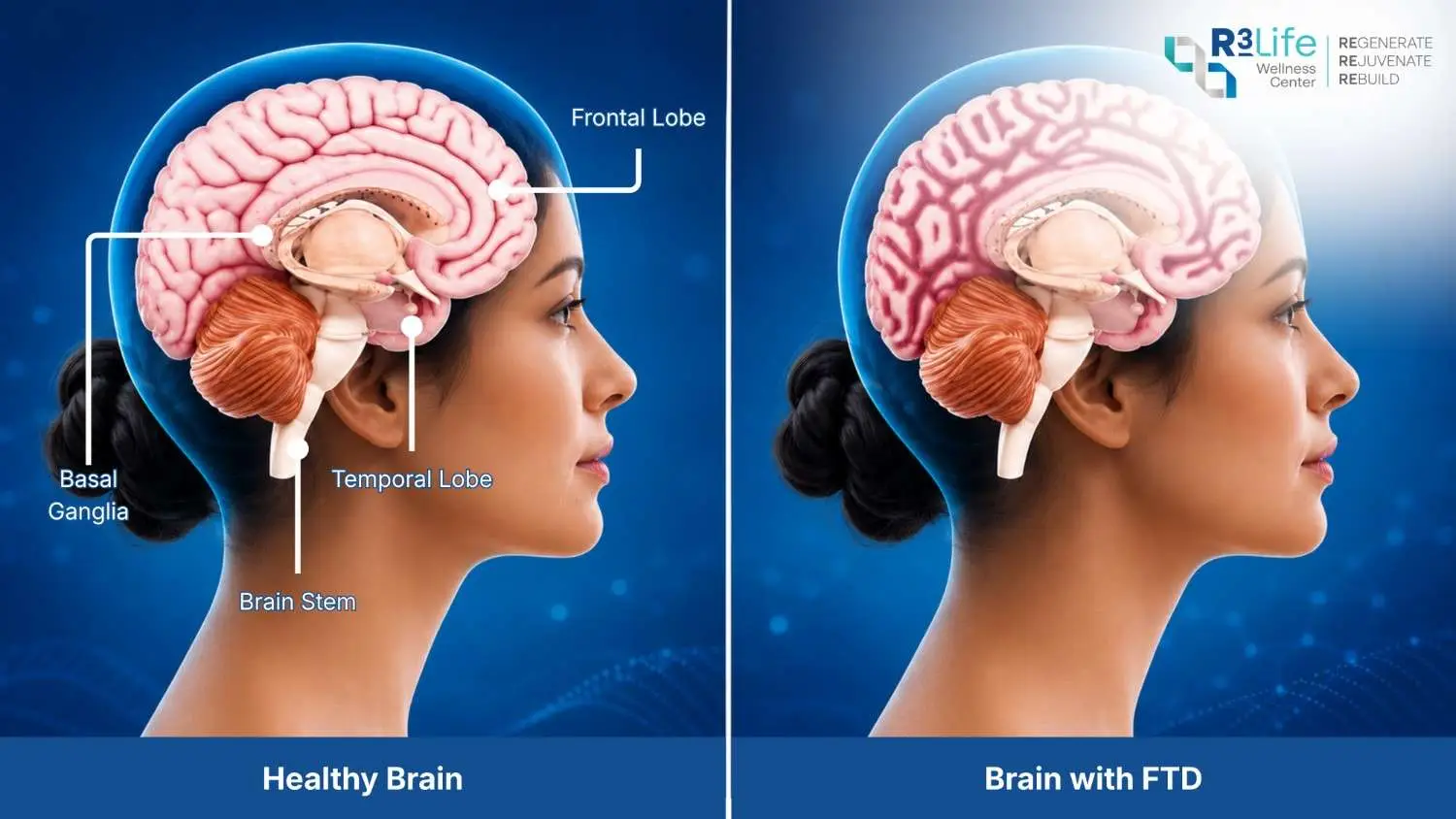
Frontotemporal dementia is not a single disease but a group of related disorders. They share one feature: the progressive loss of nerve cells in specific regions at the front and sides of the brain.
Which Parts of the Brain Are Affected
To understand FTD, it helps to know what these brain regions do.
- The frontal lobes, behind the forehead, largely govern personality, judgment, planning, and social behavior.
- The temporal lobes, along the sides, handle language, meaning, and aspects of emotion.
When these areas gradually deteriorate, the results are what you might predict: shifts in who a person seems to be, and difficulty with language. This is why FTD can change personality so profoundly.
Who Is Most at Risk of Developing FTD
FTD tends to appear earlier than most other dementias, often between the late 50s and early 60s, though it can begin younger or older. This sets it apart from Alzheimer's disease, which is usually diagnosed after the age of 65.
- Family history is a significant factor, and roughly one in three people with FTD has an affected relative.
- Several genes, including those known as GRN, MAPT, and C9orf72, are linked to inherited forms.
- Many cases, however, occur with no clear family history at all.
Because it can strike during working years, FTD often affects people still building careers and raising families.
How FTD Symptoms Differ from Alzheimer's Disease
The differences between FTD and Alzheimer's disease are not merely academic. They shape how the condition is recognized and understood.
Behavioural Changes That Signal FTD
In the most common form, called the behavioural variant, personality and conduct change first.
- Loss of empathy or reduced interest in others
- Impulsive, inappropriate, or socially unusual behavior
- Apathy that can look like depression
- Repetitive routines or noticeable changes in eating habits, such as eating much more than usual or developing strong cravings for sweets and carbohydrates
These changes can be distressing for families, who may feel they are watching someone become a different person.
Language and Motor Symptoms
Other forms of FTD affect language first, a pattern known as primary progressive aphasia.
- Difficulty finding words or naming objects
- Trouble understanding what words mean
- Slow, effortful, or halting speech
In some people, FTD also overlaps with movement problems or with motor neuron disease, adding physical symptoms to the picture. Taken together, these patterns are what set FTD apart from Alzheimer's disease. FTD usually begins with changes in behavior, personality, or language rather than memory.
Why Memory Is Often Preserved in Early FTD
This is one of the clearest ways FTD stands apart. In Alzheimer's disease, the memory centers deep in the brain are affected early, so forgetfulness is usually the first sign.
FTD, by contrast, begins in the frontal and temporal regions, leaving day-to-day memory relatively intact at first. Someone may recall recent events clearly yet behave in ways that are out of character. That mismatch is a key clue.
Why Frontotemporal Dementia Is So Frequently Missed or Misdiagnosed
Commonly Confused with Psychiatric Conditions
Because FTD often begins with mood and behavior changes, it is frequently mistaken for a mental health condition.
- Early symptoms can resemble depression, bipolar disorder, or even a midlife crisis.
- In some studies, a large share of people later diagnosed with FTD had first been diagnosed with a psychiatric illness.
- On average, an accurate diagnosis can take several years and multiple assessments.
This delay is one of the hardest aspects of FTD for families to navigate. It is also why persistent change is worth paying attention to. When a family member shows a clear and continuing shift in personality, a loss of restraint or judgment, a decline in language, or when work, finances, or relationships begin to suffer, it is worth seeking medical assessment early rather than assuming it is stress or a difficult phase. A doctor or neurologist can look for treatable causes and, where needed, begin the path to an accurate diagnosis.
The Diagnostic Gap and What Is Improving
The encouraging news is that diagnosis is steadily improving.
- Advanced brain imaging can reveal shrinkage in the frontal and temporal lobes.
- Blood-based markers, such as a protein called neurofilament light chain that is released when nerve cells are damaged, are showing promise in helping tell FTD apart from psychiatric conditions.
- Genetic testing can identify inherited forms in families with a history of the disease.
Greater awareness among clinicians is also helping people reach the right specialist sooner.
Early Awareness and What Brain Health Support Can Offer
There is no cure for frontotemporal dementia, and no treatment yet stops its progression. That reality makes early awareness, accurate diagnosis, and good support more important, not less.
The Case for Early Intervention
Recognizing FTD early does not mean it can be reversed, but it does change the path ahead.
- A correct, specialist-led diagnosis rules out treatable conditions that can mimic FTD.
- It allows families to plan, arrange support, and put safety measures in place sooner.
- It opens the door to symptom management and, for some, eligibility for research studies exploring new therapies.
FTD is a progressive condition, meaning symptoms gradually worsen over time. While there is currently no cure, care focuses on managing symptoms, planning for safety, and drawing on a coordinated team, which may include a neurologist, a psychiatrist, and a physiotherapist. Acting early is about clarity, support, and quality of life rather than a promised cure.
Supportive Approaches Available at R3 Life Wellness Center
It is important to be clear from the outset: frontotemporal dementia requires specialist neurological care, and no wellness service is a treatment for it. Anyone noticing possible symptoms should see a doctor or neurologist.
For people focused on general brain wellness rather than a diagnosed condition, R3 Life Wellness Center offers proactive health support, including:
- General wellness options such as Amnion-MSCs and the NeuroBoost Prestige Duo IV, which some people explore as part of a broader interest in vitality and brain wellness.
These are general wellness services, not treatments for frontotemporal dementia or any form of dementia, and research into regenerative approaches for neurological health remains at an early, investigational stage. R3 Life Wellness Center's registered nurses and medical team can discuss what is and is not appropriate, and will always encourage specialist referral where symptoms suggest it.
Frequently Asked Questions about Frontotemporal Dementia
Q: Is frontotemporal dementia the same as Alzheimer's disease?
A: No. Both are forms of dementia, but Alzheimer's usually begins with memory loss, while frontotemporal dementia typically starts with changes in personality, behavior, or language. They affect different parts of the brain and often appear at different ages.
Q: At what age does frontotemporal dementia usually begin?
A: It most often appears between the late 50s and early 60s, earlier than many other dementias. This is why it is considered a leading cause of younger-onset dementia, although it can occur outside this range.
Q: Can frontotemporal dementia be cured or reversed?
A: No. There is currently no cure and no treatment proven to stop its progression. Care focuses on managing symptoms, supporting families, and maintaining quality of life, ideally guided by a specialist.
Q: Why is frontotemporal dementia so often misdiagnosed?
A: Its early symptoms can look like depression, bipolar disorder, or other psychiatric conditions. Because memory often seems normal at first, the underlying brain changes can be overlooked for years.
Q: Is frontotemporal dementia inherited?
A: It can be. About one in three people with FTD has a family history, and certain genes are linked to inherited forms. Many cases, though, occur without any known family connection.
Conclusion
Frontotemporal dementia challenges our assumptions about what dementia looks like. When the brain changes personality before it touches memory, the signs are easy to miss and easy to mistake for something else. Understanding the condition and seeking specialist assessment early gives families clarity and the chance to plan and find support.
If you are focused on supporting your general brain health and overall wellness, the team at R3 Life Wellness Center can help you take a proactive, personalized approach. Anyone concerned about possible dementia symptoms, however, should seek assessment from a neurologist or specialist first. To learn more, visit https://r3lifewellness.com or message R3 Life Wellness Center on WhatsApp at +66 88 689 8888.

 10 Best Exercises for Swollen Knee and Pain in Runners