Knee Pain: How to Cure It Fast with 7 Proven Methods
Key Takeaways:
- Most knee pain relief starts with identifying the cause: injury, arthritis, or overuse.
- Immediate home care (R.I.C.E. method) is crucial to effectively manage acute knee joint pain.
- Stem cell therapy for knees offers a '3R Approach' (Reduce, Rejuvenate, Rebuild) superior to temporary injections.
- Warning: Knee surgery permanently disqualifies you from future regenerative treatments.
Searching for how to cure knee pain effectively? You're not alone. Over 25% of adults experience knee pain that limits their daily activities, with the risk increasing significantly as we age. Whether you're dealing with a sports injury, age-related arthritis, or chronic discomfort, this comprehensive guide will show you how to cure knee pain using proven methods—from simple home remedies to advanced medical treatments.
Understanding Your Knee: Why Pain Occurs and How to Cure It
Before learning how to cure knee pain, it's essential to understand what's happening in your knee joint.
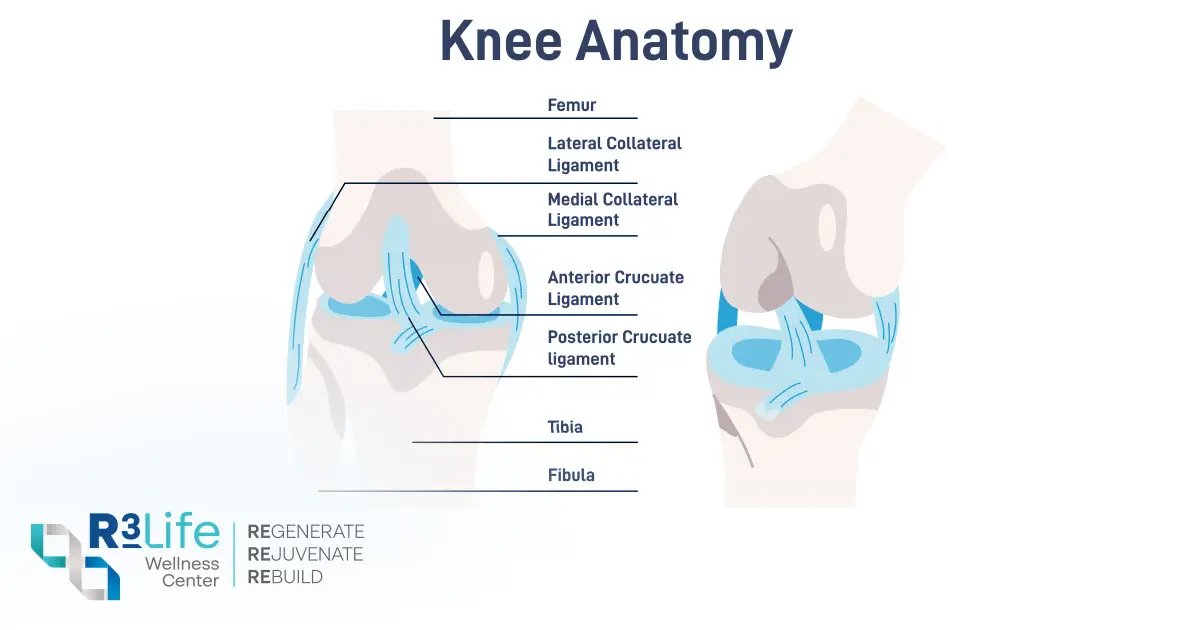
Your knee is your body's largest joint, where three bones meet: the femur (thighbone), tibia (shinbone), and patella (kneecap). These bones are held together by ligaments and cushioned by cartilage and menisci. When any of these components become damaged, inflamed, or worn down, knee pain occurs.
Common Causes of Knee Pain
Understanding the cause is the first step in learning how to cure knee pain:
Acute Injuries:
- Torn ligaments (ACL, MCL tears)
- Meniscus tears
- Fractures and dislocations
- Sports-related injuries
Chronic Conditions:
- Osteoarthritis (wear and tear)
- Rheumatoid arthritis
- Gout and bursitis
- Tendinitis from overuse
Lifestyle Factors:
- Obesity adding stress to joints
- Poor posture or movement patterns
- Muscle weakness or imbalance
- Previous injuries that didn't heal properly
The good news? Most knee pain cases can be cured or significantly improved with the right treatment approach.
Quick Home Fixes for Managing Knee Discomfort
For mild to moderate knee pain, several home remedies can provide significant relief:
The R.I.C.E. Method is your first line of defense:
- Rest: Avoid activities that worsen pain
- Ice: Apply ice packs for 15-20 minutes every 2-3 hours during the first 48 hours
- Compression: Use compression bandages to support the joint
- Elevation: Keep your leg elevated above heart level to reduce swelling
Medical Treatments for Chronic Knee Pain
When home remedies aren't enough, your doctor may recommend comprehensive knee pain treatment solutions:
Physical Therapy
Physical therapy programs include strengthening exercises, flexibility training, and balance work designed by licensed therapists. Treatment typically spans 6-12 weeks with significant improvement for most patients.
Injectable Treatment
Injectable options provide targeted relief:
- Corticosteroid injections reduce inflammation and pain (Note: Should not exceed 2 injections—they provide temporary symptom relief but can cause severe long-term damage to joint tissue)
- Hyaluronic acid injections improve joint lubrication for osteoarthritis
- Platelet-rich plasma (PRP) therapy stimulates natural tissue repair
Surgical Interventions
When conservative treatments fail, surgical options include minimally invasive arthroscopic procedures to repair torn menisci or ligaments, partial knee replacement for damaged sections, or total knee replacement for severe arthritis.
Important: Once you undergo any knee surgery, you will not be able to receive any injectable treatments. including stem cells, PRP, or hyaluronic acid into the knee joint afterward. Surgery also has significant drawbacks including long recovery times and potential permanent limitations on certain activities in daily life.
Regenerative Medicine
Traditional treatments like prescription medications, topical analgesics, and supplements only provide temporary symptom relief without repairing damaged tissue. Regenerative medicine, particularly stem cell therapy, offers a revolutionary alternative that addresses the root cause of knee pain by reducing inflammation and pain naturally, Rejuvenate damaged tissue to promote healing, and Rebuild new cartilage and tissue for long-term recovery. This approach promotes natural healing and tissue regeneration, providing long-term solutions rather than just masking symptoms.

When to See a Doctor: Warning Signs
While many cases of knee pain respond to home treatment, certain symptoms require immediate medical attention:
- Severe pain that prevents weight-bearing
- Obvious deformity or severe swelling
- Signs of infection (fever, redness, warmth)
- Knee gives out or feels unstable
- Heard a popping sound during injury
- Locking (inability to fully bend or straighten your knee)
- Moderate knee pain doesn't improve after several weeks of home treatment
Don't let knee pain become severe—start treatment at the first signs of discomfort. Early intervention prevents minor problems from becoming serious conditions requiring more aggressive treatment.
Stem Cell Therapy: A New Approach to Knee Pain Prevention
Stem cell therapy represents a cutting-edge approach to treating and preventing knee pain. Offering an alternative to surgery, this regenerative treatment regenerates damaged tissues and reduces inflammation in the knee joint, providing effective relief from chronic pain and stiffness. This minimally invasive procedure boasts a shorter recovery time compared to traditional joint replacement surgery.
The procedure involves processing premium donor high quality of Mesenchymal Stem Cells (MSCs) from Cord Tissue and Amnion from young, healthy mothers with high-quality lifestyles, excellent medical histories, and no COVID-19 vaccination history, then injecting them directly into your knee joint. These cells differentiate into various tissue types, promoting natural healing the 3R approach: Reduce inflammation and pain naturally, Rejuvenate and repair damaged tissue at the cellular level, and Rebuild new healthy tissue including cartilage—addressing underlying tissue damage, not just masking symptoms.
Early studies show promising results for osteoarthritis patients, with many experiencing reduced pain and improved function lasting months to years. The treatment carries minimal risk. Consult with a qualified specialist to determine if stem cell therapy is appropriate for your condition.
Frequently Asked Questions (FAQs)
1. How does stem cell therapy compare to PRP injections?
PRP stimulates tissue repair with results lasting 6-12 months. Stem cell therapy rebuilds and creates new cartilage lasting 1-3+ years. and genuine degeneration prevention. If your cartilage is significantly worn, stem cell therapy provides the deep restoration needed for long-term results.
2. What's the success rate?
85% success rate for knee osteoarthritis, with patients experiencing significant pain reduction and improved mobility. Many patients report being able to return to activities they love, from walking and gardening to sports and travel, without the limitations they experienced before treatment.
3. What type of knee pain means I should consider this?
Chronic pain over 3 months not responding to treatment, morning stiffness, pain worsening with activity, grinding/clicking, swelling after exercise, difficulty with stairs, pain affecting sleep, or when told you need knee replacement but want alternatives.
4. Can this help if I've had knee surgery before?
For knee joint injections: Unfortunately, once you've had any knee surgery, injectable treatments (including stem cells, PRP, and hyaluronic acid) cannot be administered into the knee joint. This is why many patients choose regenerative treatments before considering surgery.
For scar treatment: If you're concerned about surgical scar appearance or keloid prevention, stem cell therapy can be applied to the skin surface after the wound has fully healed. This helps promote smoother healing and minimize visible scarring.
5. Does this work if I'm overweight?
Yes, but weight loss enhances results significantly. Even 10-15 pounds lost reduces knee stress and improves treatment longevity. Best combined with a weight management program.
 Where Do Stem Cells Come From And How Many Types Are There? - Answering All Questions!