What Thyroid Peroxidase Antibodies Mean When TSH Is Normal
Key Highlights
- Thyroid peroxidase antibodies are immune proteins that target a thyroid enzyme, and they are found in most people with Hashimoto's thyroiditis.
- Positive TPO antibodies with a normal TSH suggest autoimmune thyroid activity and a higher chance of hypothyroidism developing later, rather than current hypothyroidism.
- Around 1 in 10 people without any thyroid disorder have detectable TPO antibodies, so a positive result alone is not a diagnosis.
- The American Thyroid Association says high antibodies with normal thyroid function do not need thyroid hormone treatment, though TSH should be rechecked over time.
- TPO antibodies are a marker of autoimmune thyroid activity, not a cancer marker, and any thyroid lump should be checked by a doctor.
Quick Summary
A blood test showing positive thyroid peroxidase antibodies while TSH sits in the normal range can feel confusing. One number says something is happening; the other says the thyroid is working well. Both can be true at once.
This combination usually means the immune system has started reacting to the thyroid while the gland still makes enough hormone. Read on for what anti-TPO measures, what a positive result does and does not mean, and what sensible monitoring looks like.
What TPO Antibodies Are and Why They Appear Early
Thyroid peroxidase is an enzyme the thyroid uses to make its hormones. TPO antibodies form when the immune system mistakenly treats this enzyme as a target.
The Link With Hashimoto's Thyroiditis
TPO antibodies are present in most people with Hashimoto's thyroiditis, the most common cause of an underactive thyroid and more common in women. The British Thyroid Foundation reports them in over 90% of people with autoimmune hypothyroidism. They can also be raised in Graves' disease, which is identified mainly through TSH receptor antibodies.
Why Antibodies Can Come Before TSH Changes
Autoimmune thyroid disease tends to develop slowly. Antibodies can appear while enough healthy tissue remains to keep hormone output steady, so TSH stays normal. Cleveland Clinic notes that TPO antibodies with a normal TSH suggest hypothyroidism may develop later, not that it is present now.
What Elevated TPO Antibodies With Normal TSH Do and Do Not Mean
A positive anti-TPO result is a signal worth understanding, not a verdict. According to the British Thyroid Foundation, TPO antibodies are found in about 10% of people without a thyroid disorder.
What It Can Mean
A UK study that followed adults for about 20 years found that people with positive thyroid antibodies were considerably more likely to develop hypothyroidism later. Even so, many people with high TPO antibodies keep normal thyroid function.
How It Fits With Other Thyroid Results
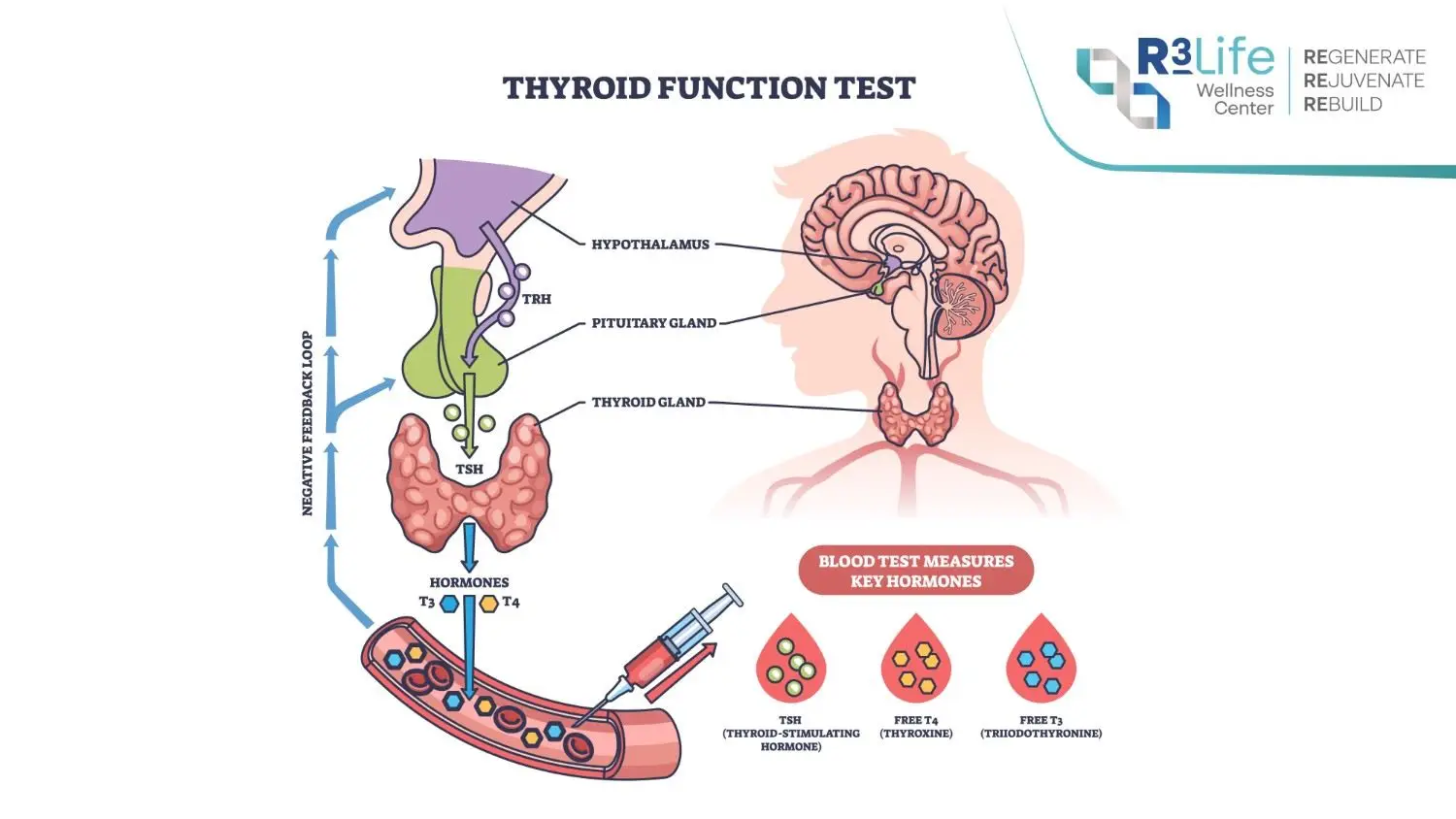
Doctors read anti-TPO alongside other markers:
- TSH: the main signal of how hard the pituitary is working to drive the thyroid
- Free T4 and Free T3: the active thyroid hormones circulating in the blood
- Thyroglobulin antibodies: another marker that may point to Hashimoto's, found in about 10% of people overall, according to the British Thyroid Foundation
Normal TSH and Free T4 with positive antibodies is the classic picture of autoimmune activity with preserved function.
Symptoms While Results Look Normal
Fatigue, weight gain, constipation, feeling cold, dry skin, low mood and heavy periods are linked with hypothyroidism. These symptoms are also common in many other conditions, and many people with early autoimmune thyroid changes have none at all.
Monitoring and Thyroid Antibody Testing at R3 Life
Monitoring, rather than treatment, is the usual next step for elevated TPO antibodies with a normal TSH.
What Monitoring Usually Involves
The American Thyroid Association advises that thyroid hormone treatment is not needed when antibodies are high and thyroid function is normal. Repeating the antibody test is generally not needed either, but TSH should be checked periodically, at an interval your doctor sets. Thyroid function is usually checked more often before and during pregnancy when antibodies are positive, so mention the result to your doctor early.
Testing Options at R3 Life
R3 Life Wellness Center offers thyroid testing that supports this kind of follow-up. Anti-TPO, Thyroglobulin Ab, TSH, Free T3 and Free T4 can each be ordered à la carte, and individual tests are sent to an outside lab. For a broader view, the Hormone Test for Female and the Hormone Test for Male both include TSH, Free T3 and Free T4 alongside other hormone markers.
Sometimes TSH comes back normal, yet you still tire easily, notice changes in your weight, or feel that your body is not quite the same as before. In that case, the answer may lie beyond the thyroid. Sleep, stress, diet and nutrient levels all shape how you feel day to day, so your physician may suggest looking at these too. The Micronutrient Profile measures a range of vitamins and minerals, including ferritin, vitamin B12 and magnesium. The Vitamin D Level Test checks your vitamin D status, which plays a role in energy, immunity and bone health.
Your physician reviews the results against the whole picture: your sleep, work, diet and activity as well as your lab values. The aim is not only to track a thyroid number but to support how you feel overall, with a referral if thyroid function changes.

Frequently Asked Questions About Thyroid Peroxidase Antibodies
Q: What is a TPO antibody test?
A: A TPO antibody test, also called an anti TPO test, is a blood test that measures antibodies against thyroid peroxidase. A positive result points to autoimmune thyroid activity, and it is usually read together with TSH, Free T4 and Free T3.
Q: Do high TPO antibodies mean cancer?
A: High TPO antibodies indicate autoimmune thyroid activity and are not a cancer marker. They are not used to screen for or diagnose thyroid cancer. Any lump or swelling in the neck should be checked by a doctor, whatever your antibody result.
Q: How can I lower TPO antibodies?
A: No approach has been clearly shown to lower TPO antibodies in a way that improves health. Meta-analyses suggest selenium may reduce antibody numbers, but reviews have not shown clear benefits for thyroid function or quality of life, so the clinical benefit is unproven. Too much selenium can cause hair loss and brittle nails, so speak with your doctor before taking it.
Conclusion
Positive thyroid peroxidase antibodies with a normal TSH usually mean the immune system is reacting to the thyroid while the gland still works well. The result raises the chance of later hypothyroidism, but it is not a diagnosis. Periodic TSH checks agreed with your doctor are the practical next step.
Care at R3 Life Wellness Center is led by a physician board-certified in anti-aging and regenerative medicine (ABAARM).
To arrange thyroid testing or review your results, contact R3 Life through r3lifewellness.com or on WhatsApp at +66 88 689 8888.

 What Is the Food Pyramid? Nutrition for Healthy Aging and Long-Term Health | R3 Life