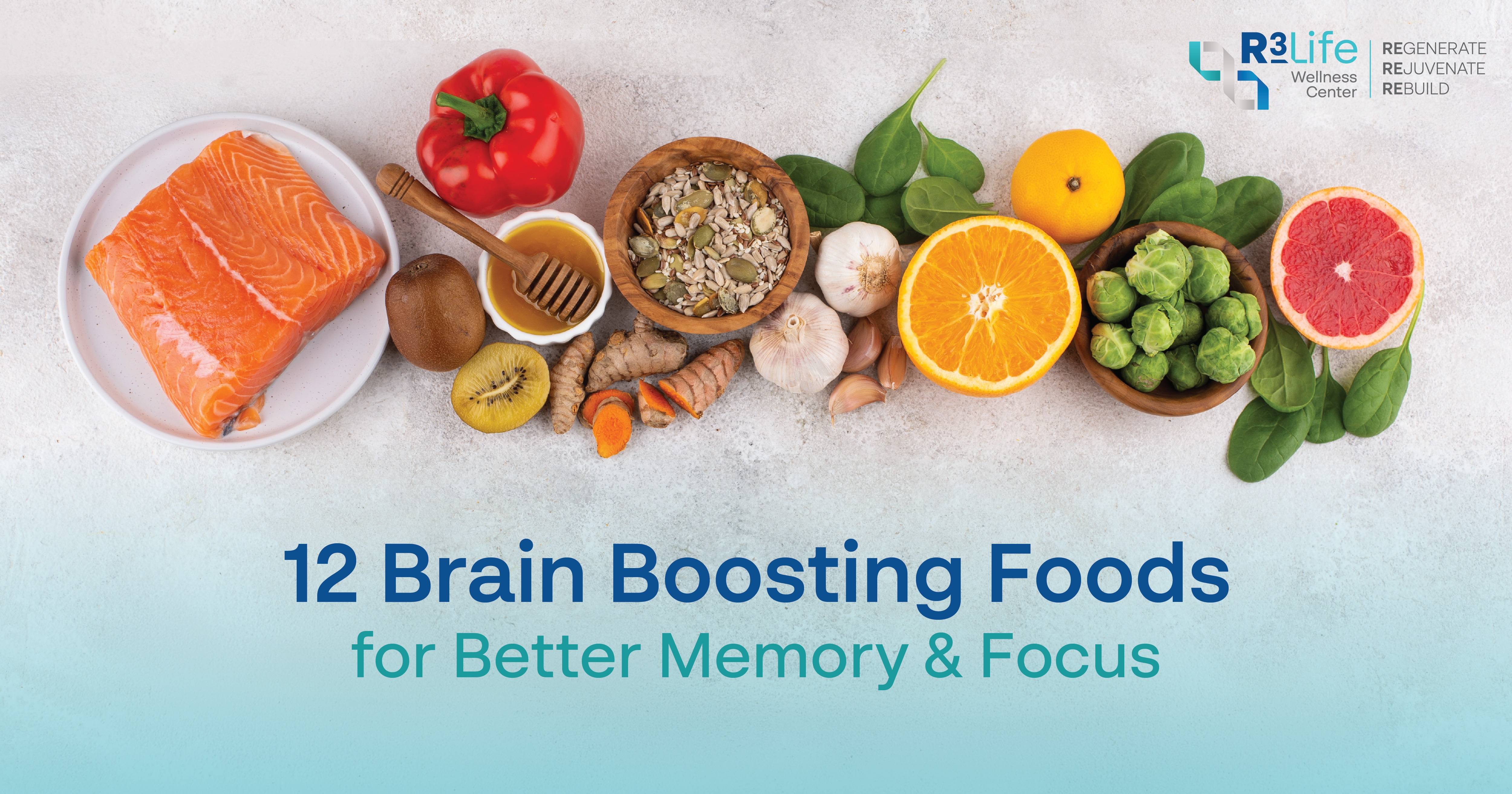
12 Brain Boosting Foods for Better Memory & Focus
Quick Facts
- 12 proven foods enhance memory and focus
- Omega-3 rich foods improve memory by up to 25%
- Diet can reduce cognitive decline risk by 40%
- Your brain uses 20% of daily calories
Why Brain Nutrition Matters
Your brain is your body's most energy-demanding organ, consuming about 20% of your daily caloric intake. What you eat directly impacts:
- Memory retention and recall
- Focus and concentration
- Mental clarity and processing speed
- Long-term cognitive health
The good news? Research shows that choosing the right foods can improve memory by up to 25% and reduce your risk of cognitive decline by 40%. Let's explore the 12 most powerful options.
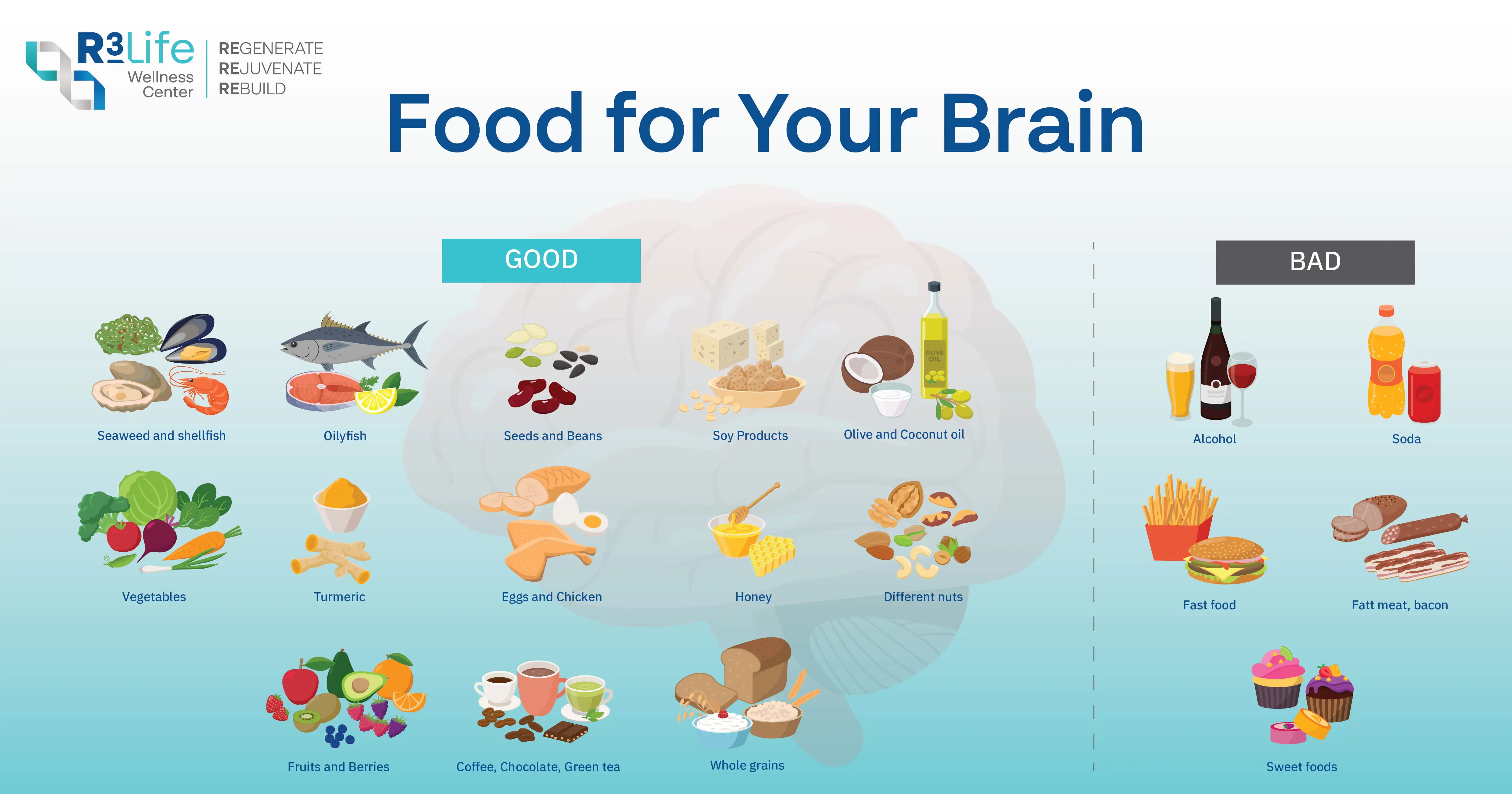
Top 12 Good Brain Foods You Should Eat Today
1. Seaweed and Shellfish
Why it works: Ocean foods provide omega-3 fats that build healthy brain cells, iodine for thyroid function, and essential minerals like zinc and iron.
Research: Studies show people who eat seaweed regularly have sharper memory as they age.
Benefits:
- Builds healthy brain cells with omega-3s
- Supports thyroid function with iodine
- Provides zinc for neurotransmitter production
- Delivers iron for oxygen transport to the brain
How much: Oysters or mussels 1-2 times per week; nori sheets daily
Best choices: Nori, wakame, oysters, mussels, clams
Tip: Add nori sheets to your salads daily for an easy brain boost.
2. Oily Fish
Why it works: Oily fish is packed with omega-3 fatty acids that your brain needs every day to build and maintain healthy cells.
Research: People who eat fish regularly have more gray matter in their brains, which means better memory and decision-making.
Benefits:
- Builds healthy brain cell membranes
- Fights inflammation that damages brain cells
- Improves memory and learning
- May slow age-related mental decline
How much: 2-3 servings weekly
Best choices: Salmon, mackerel, sardines, trout
Tip: Choose wild-caught when possible for higher omega-3 content.
3. Turmeric
Why it works: Curcumin, turmeric's active ingredient, crosses the blood-brain barrier to fight inflammation and promote new brain cell growth.
Research: Studies show turmeric improves memory in Alzheimer's patients and reduces brain inflammation.
Benefits:
- Crosses blood-brain barrier directly
- Fights brain inflammation
- Promotes growth of new brain cells
- Improves memory function
How much: 500mg daily or add to curries and smoothies
Best choices: Fresh turmeric root, high-quality powder, golden milk
Tip: Mix with black pepper to boost curcumin absorption by 2,000%.
4. Olive and Coconut Oil
Why it works: Olive oil protects blood vessels and reduces inflammation, while coconut oil provides quick energy for the brain when you need it most.
Research: Mediterranean diet studies link regular olive oil consumption with better thinking skills and cognitive function.
Benefits:
- Protects brain blood vessels
- Reduces brain inflammation
- Provides quick brain energy (coconut oil)
- Supports overall cognitive function
How much: 2 tablespoons olive oil daily; 1 tablespoon coconut oil in coffee or smoothies
Best choices: Extra virgin olive oil, cold-pressed coconut oil
Tip: Use olive oil for salad dressings and low-heat cooking; add coconut oil to your morning coffee for sustained mental energy.
5. Different Nuts
Why it works: Nuts contain vitamin E that protects brain cells from oxidative damage and healthy fats that support brain structure.
Research: Studies show eating nuts regularly keeps the mind sharp and lowers the risk of dementia.
Benefits:
- Protects brain cells with vitamin E
- Provides healthy fats for brain structure
- Reduces risk of cognitive decline
- Portable brain-boosting snack
How much: A small handful (1 oz or about 28g) every day
Best choices: Walnuts, almonds, cashews, Brazil nuts
Tip: Walnuts look like tiny brains—nature's hint! They have the highest omega-3 content among nuts.
6. Soy Products
Why it works: Soy provides plant protein plus lecithin, which the brain uses to produce acetylcholine—a key memory chemical.
Research: Research shows soy improves word memory and mental flexibility in adults.
Benefits:
- Provides plant-based brain protein
- Contains lecithin for memory chemicals
- Improves word memory
- Enhances mental flexibility
How much: 1-2 servings daily
Best choices: Tofu, tempeh, edamame, soy milk
Tip: Tempeh is fermented and easier to digest while offering the same brain benefits as other soy products.
7. Fruits and Berries
Why it works: Berries contain powerful antioxidants that help brain cells communicate better, while vitamin C protects against memory loss.
Research: Studies prove berries boost memory function while vitamin C improves focus and mental clarity.
Benefits:
- Improves brain cell communication
- Protects against memory loss
- Increases blood flow to the brain (avocados)
- Provides powerful antioxidants
How much: 1-2 servings daily
Best choices: Blueberries, strawberries, oranges, avocados
Tip: Frozen berries retain their antioxidants and are more affordable—perfect for smoothies.
8. Vegetables
Why it works: Green leafy vegetables contain vitamin K for memory, nitrates for blood flow, and antioxidants that slow brain aging.
Research: One study found people eating greens daily had brains that appeared 11 years younger than their actual age.
Benefits:
- Slows brain aging significantly
- Provides vitamin K for memory
- Increases blood flow to brain (beets)
- Protects brain cells from damage
How much: 2-3 cups daily; dark greens 5-7 times weekly
Best choices: Broccoli, kale, spinach, beets, tomatoes
Tip: Lightly steam or sauté greens with olive oil to increase nutrient absorption.
9. Coffee, Chocolate, Green Tea
Why it works: These foods contain caffeine for alertness plus powerful antioxidants that protect brain cells from damage.
Research: Coffee consumption may reduce Alzheimer's risk by up to 65%, while dark chocolate improves memory and blood flow to the brain.
Benefits:
- Increases alertness and focus
- Protects brain cells with antioxidants
- Improves memory (dark chocolate)
- Creates calm focus without jitters (green tea)
How much: 1-3 cups coffee or tea daily; 1 oz dark chocolate as a treat
Best choices: Black coffee, 70%+ dark chocolate, matcha tea
Tip: Choose dark chocolate with 70% cocoa or higher—the higher the percentage, the more brain-boosting flavonoids.
10. Whole Grains
Why it works: Whole grains release glucose slowly and steadily, providing your brain with consistent energy throughout the day.
Research: Studies show whole grains improve attention span and memory performance compared to refined grains.
Benefits:
- Provides steady brain energy
- Prevents brain fog
- Contains B vitamins for brain chemicals
- Improves focus and attention
How much: 3-5 servings daily
Best choices: Oatmeal, brown rice, quinoa, whole wheat bread
Tip: Start your day with oatmeal topped with berries and nuts for a complete brain-boosting breakfast.
11. Eggs and Chicken
Why it works: Eggs are one of the best sources of choline, which the brain uses to make acetylcholine—essential for memory and learning.
Research: Studies link higher choline intake to better memory, learning ability, and cognitive function.
Benefits:
- Provides 147mg choline per egg
- Supplies B vitamins for brain health
- Offers clean protein for neurotransmitters
- Supports memory and learning
How much: 1-2 eggs daily; chicken 3-4 times weekly
Best choices: Whole eggs with yolks (where choline is found), chicken breast
Tip: Don't skip the yolk—that's where all the brain-boosting choline is stored.
12. Seeds and Beans
Why it works: Seeds provide essential minerals like magnesium, iron, and zinc that your brain needs for optimal function.
Research: Studies show these minerals improve thinking, focus, and cognitive performance.
Benefits:
- Magnesium supports memory formation
- Iron prevents brain fog
- Zinc helps nerve signal transmission
- Beans provide steady energy and folate
How much: 1-2 tablespoons seeds daily; beans 3-4 times weekly
Best choices: Pumpkin seeds, sunflower seeds, black beans, lentils
Tip: Pumpkin seeds are budget-friendly brain food—sprinkle on salads, yogurt, or eat as a snack.
Foods to Limit for Brain Health
Avoid or minimize:
- Refined sugars (spikes and crashes affect focus)
- Trans fats and processed foods (increase inflammation)
- Excessive alcohol (damages brain cells)
- High-sodium processed meats (linked to cognitive decline)
Beyond Diet: Advanced Brain Support
Brain Health IV Therapy
Why it matters: When oral supplements only deliver 20-40% absorption, IV therapy provides 100% bioavailability directly to your brain cells.
Neuro Boost Supplements
Why it matters: Targeted nutrients support neurotransmitter balance, memory formation, and cognitive clarity. For those with limited time for IV therapy, supplements can offer a practical option for ongoing cognitive maintenance.
Stem Cells for Your Brain: How They Help Your Brain Work Better
While brain boosting foods provide daily nourishment, stem cell therapy offers breakthrough cellular regeneration for serious cognitive concerns. If diet and lifestyle aren't enough, advanced stem cell treatment may reverse neurological decline at its source.
Why R3 Life's Stem Cell Therapy Delivers Superior Results
We don't just offer stem cells. we provide pharmaceutical-grade regeneration using the world's highest quality standards:
Why Choose R3 Life:
At R3 Life, we work with carefully screened donor-derived mesenchymal stem cells (MSCs) that exhibit the characteristic spindle-shaped morphology associated with regenerative potential.
To preserve cellular viability and therapeutic potency, the cells are stored using proprietary cryopreservation at −196°C, with GMP-compliant, Xeno-free cell culture media formulations that exclude non-human animal-derived components to ensure the highest quality standards.
Early clinical trials demonstrate remarkable improvements in memory, processing speed, and executive function for Alzheimer's, Parkinson's, stroke recovery, and traumatic brain injuries. conditions once considered irreversible.
🎯 Ready to Unlock Your Brain's Full Potential?
Don't settle for decline when regeneration is possible. Schedule your complimentary consultation with our stem cell specialists and discover how R3 Life's internationally certified protocols can transform your cognitive health. without traveling abroad for treatment.
Limited availability for new patients. Contact us today.
FAQ
1. Can brain boosting foods prevent Alzheimer's disease?
These good brain foods can reduce Alzheimer's risk by up to 40%, but cannot guarantee prevention. Start early for best protection. If you have strong family history or early symptoms, consider combining diet with stem cell therapy for cellular-level brain protection.
2. What if I already have memory problems or mild cognitive impairment?
Brain boosting foods can slow decline but may not reverse existing damage. For mild cognitive impairment, Parkinson's, or post-stroke recovery, the best food for brain health works alongside medical treatment. Stem cell therapy offers regenerative options that food alone cannot provide.
3. Can vegetarians get enough brain nutrition?
Yes. Focus on walnuts, flaxseeds, chia seeds for omega-3. Eat plenty of beans, tofu, and whole grains. Consider algae-based omega-3 supplements.
However, it’s important to note that obtaining adequate amounts through diet alone may be challenging, especially when compared to the levels delivered through vitamin IV drips or targeted supplementation.
4. Who should consider stem cell therapy instead of just diet?
Consider stem cell therapy if you have: diagnosed Alzheimer's or Parkinson's, previous stroke or brain injury, memory worsening despite eating the best food for brain health for 3+ months, or family history with early symptoms. Schedule a free R3 Life consultation to assess your needs.

 Knee Pain: How to Cure It Fast with 7 Proven Methods