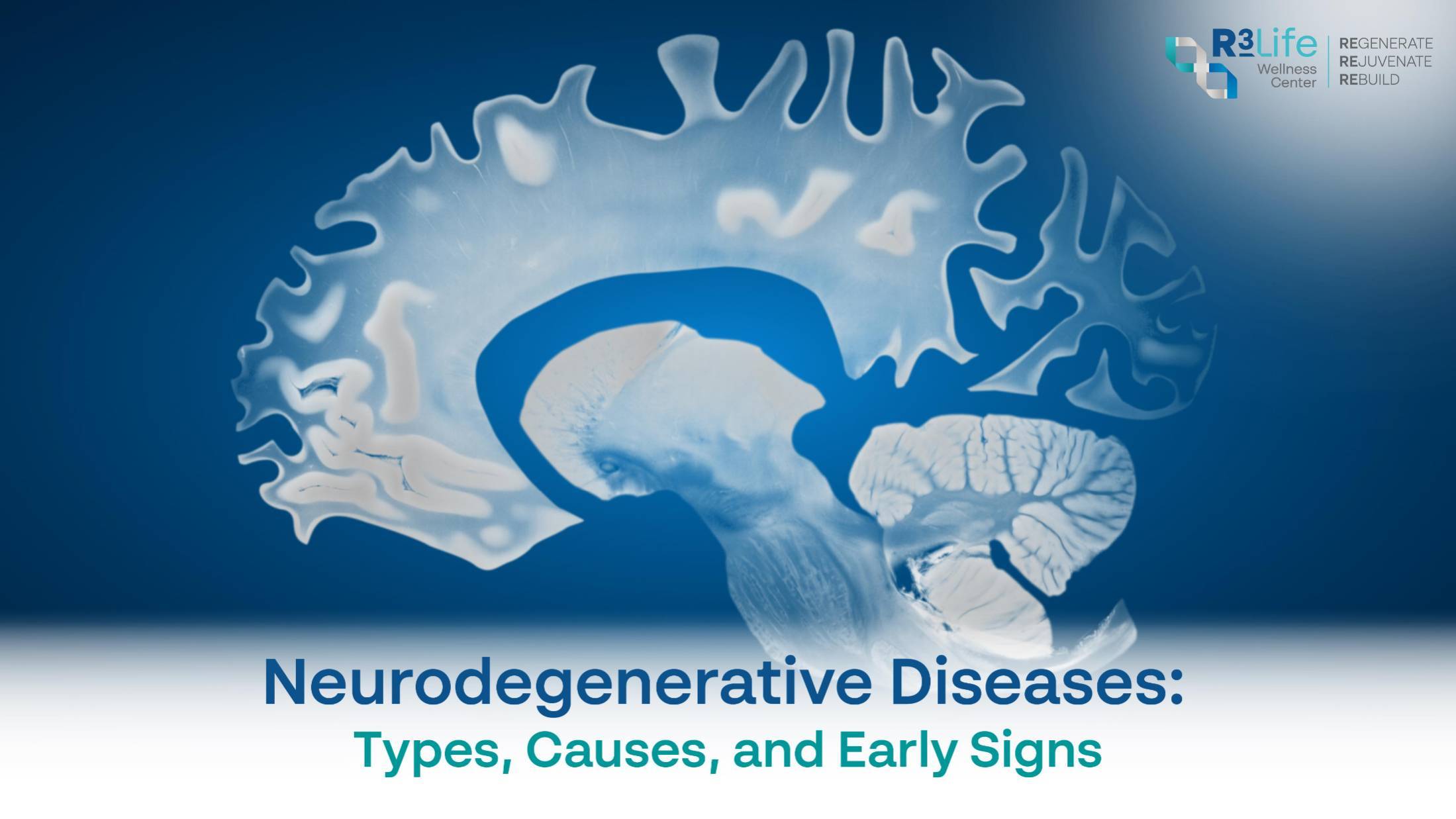
Neurodegenerative Diseases: Types and Early Signs
Key Highlights
- Neurodegenerative diseases cause irreversible damage to brain cells, and most are diagnosed years after that damage has already begun.
- Alzheimer’s, Parkinson’s, frontotemporal dementia, and Lewy body dementia are all brain degenerative diseases but affect different regions and present very differently.
- In Parkinson’s disease, roughly 70 to 80% of dopamine-producing neurons are already lost by the time the first motor symptoms appear.
- A blood test measuring a protein called pTau217 can now identify Alzheimer’s-related changes in the brain years or decades before behavioral symptoms appear.
- The gap between when neurodegeneration begins and when it becomes visible as symptoms is the window where early action has the most to offer.
Quick Summary
The problem with most neurodegenerative diseases is not that they are hard to understand once diagnosed. It is that they are typically diagnosed long after the damage has become significant.
Alzheimer’s, Parkinson’s, and the other conditions in this category share a common feature: the underlying biology advances for years, sometimes decades, while the person has no indication anything is wrong. Neurons compensate for one another. Behavior adapts. The brain is remarkably good at hiding a growing problem.
That is starting to change. Blood-based tests can now detect Alzheimer’s-related changes before any behavioral symptoms appear. Understanding what these diseases actually are, how they differ from one another, and why early detection matters more than most people realize is what this article covers.
What Is a Neurodegenerative Disease?
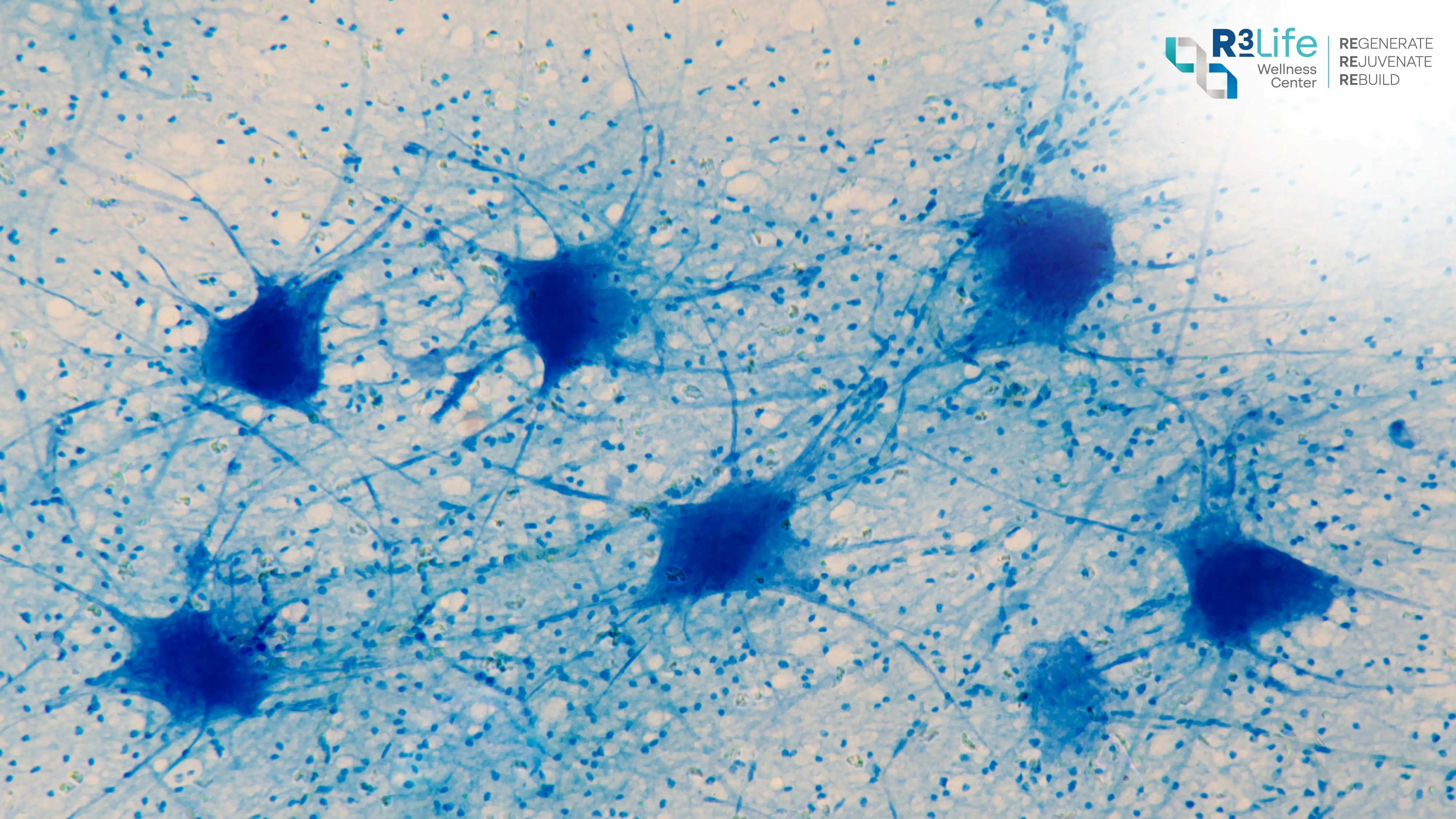
Neurodegeneration means the progressive loss or dysfunction of neurons, the cells that make up the brain and nervous system. Unlike most cells in the body, adult neurons do not divide and replace themselves when they die. Once a neuron is lost, in most parts of the brain, it is gone. This is what makes neurodegenerative diseases both serious and difficult to treat: the damage is cumulative and largely irreversible.
How Neurodegeneration Differs from Normal Brain Aging
Normal brain aging involves gradual slowing. Processing speed declines, recall takes longer, and certain tasks require more effort. These changes are expected and relatively stable across time. Neurodegeneration is categorically different. It involves the accumulation of abnormal proteins, the death of specific neuron populations, and a progressive loss of function that goes far beyond slowing down. Normal aging is gradual and stable. Neurodegeneration follows a downward trajectory that, in most cases, continues once it begins.
Why the Brain Struggles to Repair Itself
Several features of the brain make it particularly vulnerable to neurodegeneration:
- Adult neurons are post-mitotic, meaning they do not divide and regenerate the way most other cells do
- The blood-brain barrier, a selective filter between the brain and the bloodstream, limits what the immune system can reach and clear inside the brain
- The brain's extremely high energy demands make neurons especially sensitive to inflammation and oxidative stress — the cellular damage caused by an imbalance between harmful and protective molecules
- Neurogenesis, the creation of new neurons, is limited in the adult brain and declines further with age
The Most Common Neurodegenerative Diseases and How They Differ
Understanding the differences between these conditions matters because they affect different parts of the brain, produce different early symptoms, and require different diagnostic approaches. Getting this distinction right is also why misdiagnosis rates remain high for several of them.
Alzheimer’s Disease
Alzheimer’s is the most common form of dementia, accounting for approximately 60 to 70% of all cases. At the cellular level, it involves two hallmarks: amyloid-beta plaques, which are abnormal protein deposits that accumulate between neurons and disrupt their communication, and tau protein tangles, which form inside neurons and eventually cause them to die.
The hippocampus, the brain’s primary memory center, is typically the first region affected. Memory loss for recent events is usually the earliest noticed symptom. The underlying biology, however, can begin 20 years or more before any behavioral changes appear.
Parkinson’s Disease
Parkinson's disease is primarily a movement disorder caused by the progressive loss of dopamine-producing neurons, although many non-motor symptoms begin years before tremor or stiffness develops. Non-motor symptoms often precede the motor ones by years:
- Loss of sense of smell
- Constipation and other digestive changes
- A sleep disturbance in which people physically act out their dreams, known as REM sleep behavior disorder
Frontotemporal Dementia
Frontotemporal dementia affects the frontal and temporal lobes of the brain rather than the hippocampus. These regions govern personality, behavior, and language rather than memory. Because of this, FTD presents very differently from Alzheimer’s: behavioral changes and language difficulties appear first, while memory remains relatively intact in the early stages, though it can become involved as the condition progresses.
This is why FTD is so frequently misdiagnosed as a psychiatric condition. It is also the most common form of dementia in adults under 60, making the misdiagnosis especially consequential. A separate article in this cycle covers FTD in detail.
Lewy Body Dementia
The condition presents as a dementia syndrome with several distinctive features:
- Vivid visual hallucinations — seeing detailed things that are not there
- Significant fluctuations in cognitive clarity, sometimes varying dramatically from day to day or even hour to hour
- A REM sleep disturbance in which people physically act out their dreams, also seen in Parkinson's
- Parkinsonian movement symptoms such as slowed movement, stiffness, or shuffling gait
Other Progressive Brain Conditions
Beyond these four, the neurodegenerative disease list includes several less common but significant conditions:
- ALS (Amyotrophic Lateral Sclerosis) involves progressive loss of motor neurons, causing muscle weakness and eventual paralysis
- Huntington’s Disease is a genetic condition affecting movement, cognition, and mood, typically appearing in mid-adulthood
- Progressive Supranuclear Palsy affects eye movements, balance, and cognition, and is often initially mistaken for Parkinson’s
- Multiple System Atrophy affects the body’s automatic functions such as blood pressure regulation, alongside movement and balance

Why These Conditions Are So Difficult to Catch Early
The Silent Progression Problem
The brain compensates for damage extraordinarily well. When neurons die, neighboring neurons form new connections to absorb their function. This plasticity is one of the brain’s most remarkable features. It is also why neurodegeneration can advance for years before compensation fails and symptoms become apparent.
The brain is remarkably good at masking damage — right up until it cannot. Two examples illustrate how significant that gap can be:
- In Parkinson's, motor symptoms typically do not appear until 70 to 80% of the relevant neuron population is already lost
- In Alzheimer's, amyloid accumulation can begin two decades before any behavioral changes emerge
The Rise of Blood-Based Biomarkers: What pTau217 Tells Us
For most of neurology’s history, detecting neurodegeneration before symptoms appeared required either a PET scan, an expensive and not widely available imaging procedure, or a lumbar puncture, which involves inserting a needle into the lower spine to collect cerebrospinal fluid for analysis. Neither was practical for routine screening.
Blood-based biomarkers are changing this. pTau217 is a form of the tau protein that becomes abnormally modified in Alzheimer’s disease. Research has established that elevated pTau217 levels in the blood can identify Alzheimer’s-related changes in the brain with high accuracy, and can do so years before behavioral symptoms appear. A blood draw rather than a lumbar puncture or PET scan.
The significance of this shift is not only diagnostic. It is about what becomes possible when a disease is identified before it has started to show.
What the Earlier Detection Window Actually Opens Up
The Relationship Between Timing and Outcome
The science on neurodegeneration points consistently to one finding: the earlier a condition is identified, the more options are available and the more time there is to act on them. This is true for lifestyle interventions, which show stronger effects in earlier stages before significant neuronal loss has occurred. It is true for the clinical approaches currently being studied in trials. And it is true simply in terms of having the information needed to make decisions before circumstances force them.
The distance between when neurodegeneration begins and when it becomes visible as behavior can be a decade or more. New diagnostic tools are beginning to make that silent period visible. The question is whether there is a reason to look, and a framework for acting on what is found.
What a Proactive Brain Health Assessment Looks Like
A proactive brain health assessment typically starts with markers that are already in routine clinical use: inflammatory indicators, metabolic markers, cardiovascular health, sleep quality, and a thorough symptom and family history. These are not neurological tests in isolation. They form the clinical context that makes neurological findings meaningful and helps identify which areas of risk deserve the most attention.
At R3 Life Wellness Center, consultations for brain health begin with exactly this kind of full-picture assessment, led by the Medical Director and Board Certified physician in Anti-Aging and Regenerative Medicine (ABAARM). Whether or not specific neurological testing is indicated, understanding your biological baseline and what factors may be accelerating or protecting against cognitive aging is a productive and actionable starting point. Initial consultations are free of charge. Contact us on WhatsApp to book an appointment.
Frequently Asked Questions about Neurodegenerative Diseases
Q: What is a neurodegenerative disease?
A: A neurodegenerative disease is a condition characterized by the progressive loss or dysfunction of neurons. Because neurons have limited capacity to regenerate, damage accumulates over time. Common examples in the neurodegenerative disease list include Alzheimer’s, Parkinson’s, frontotemporal dementia, and Lewy body dementia.
Q: What makes neurodegenerative diseases hard to diagnose early?
A: The brain compensates for neuronal loss by forming new connections, effectively masking the damage until compensation fails and symptoms emerge. By the time most conditions are diagnosed, a significant proportion of the relevant neuron population is already gone.
Q: Can neurodegenerative disease be detected before symptoms appear?
A: Increasingly, yes. Blood-based biomarkers, particularly pTau217 for Alzheimer’s, can identify disease-related changes in the brain years or decades before behavioral symptoms appear. This represents a meaningful shift in what is now possible for early detection.
Q: How is Alzheimer’s different from other forms of dementia?
A: Alzheimer’s is characterized by amyloid plaque and tau tangle accumulation and typically affects memory first. Lewy body dementia involves a different protein and presents with hallucinations and fluctuating cognition. Frontotemporal dementia affects behavior and language rather than memory. Each condition follows a distinct biological pattern.
Q: What is the difference between Parkinson’s and Lewy body dementia?
A: Both involve abnormal alpha-synuclein deposits forming inside neurons. The key difference is which brain regions are most affected. Parkinson’s primarily affects the neurons controlling movement. Lewy body dementia presents as a dementia syndrome, with cognitive and psychiatric features alongside eventual motor symptoms.
Conclusion
Most neurodegenerative diseases are diagnosed too late, not because earlier detection was impossible, but because the tools and awareness to act on it were not widely available. That is changing. Blood-based biomarkers, clearer disease taxonomy, and a better-defined understanding of the pre-symptomatic stage are opening a new phase in how these conditions can be identified and addressed.
If you are concerned about brain health, whether because of family history, a desire to understand your baseline, or a proactive approach to aging, R3 Life Wellness Center offers free consultations to assess your profile and identify where to focus. Reach out via WhatsApp at +66 88 689 8888 or visit r3lifewellness.com

 As Cancer Rates Rise, the Question Is No Longer Just “How Do We Treat It?” But “How Early Do We Choose to Care for Ourselves?”