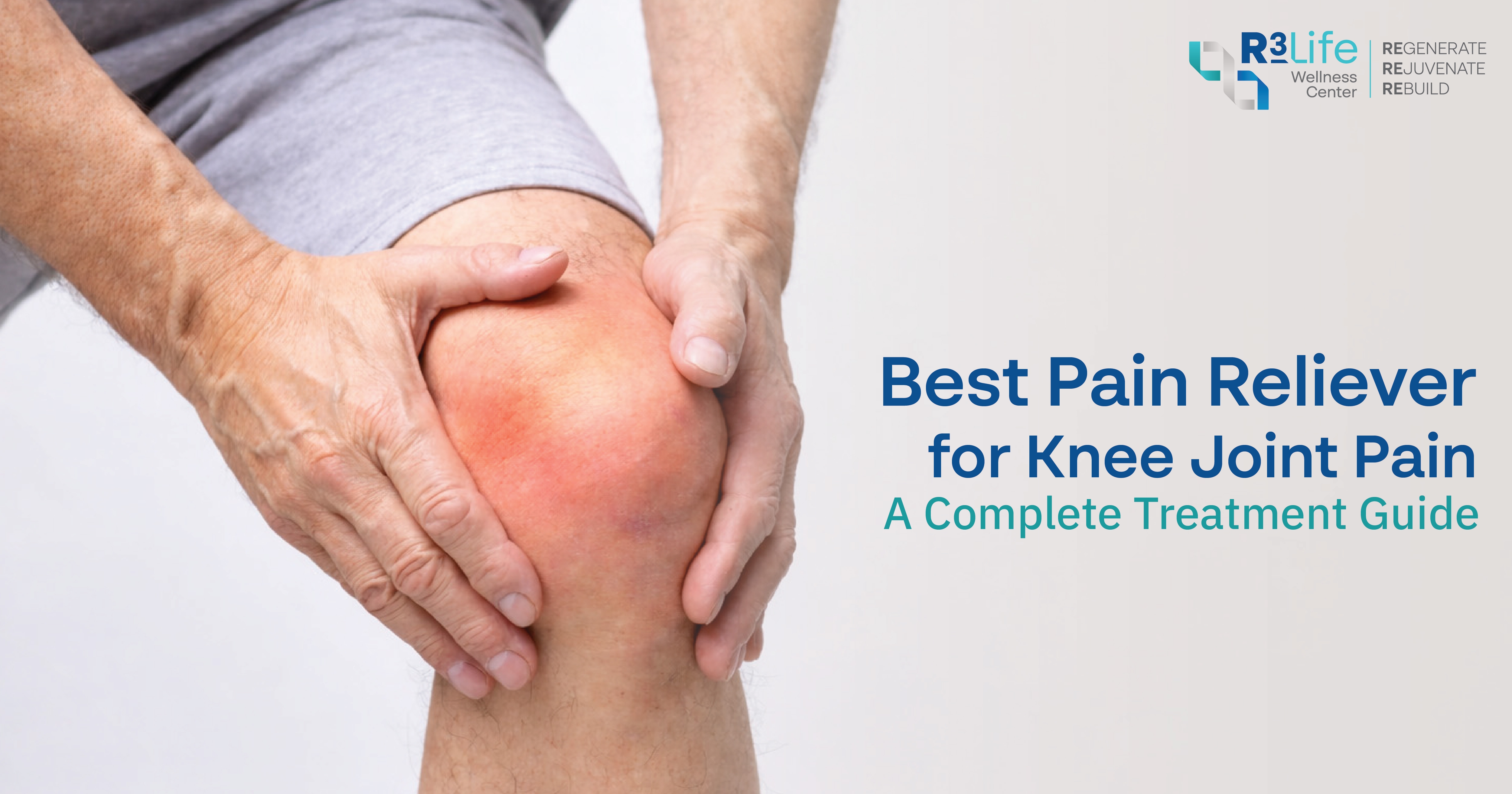
Best Pain Reliever for Knee Joint Pain
Quick Facts
- NSAIDs show improvement in 55 out of 100 people with knee joint pain
- Steroid injections limited to 2 per lifetime per joint due to cartilage damage
- Stem cell therapy offers regenerative healing vs. symptom masking
- MSCs require no blood-type matching, accessible to virtually anyone
Understanding Knee Joint Pain
Struggling with knee joint pain? You're not alone. Millions deal with this daily, from athletes to seniors. The good news: effective treatments exist, from OTC pain relievers to regenerative therapies.
Most knee joint pain stems from inflammation. When cartilage wears down, bones rub together, causing swelling and pain. Acute inflammation heals within weeks; chronic conditions like osteoarthritis need ongoing management.
Over-the-Counter Pain Relievers
NSAIDs
NSAIDs like ibuprofen and naproxen are proven pain relievers for knee joint pain. Research from 70+ studies with 60,000 participants shows 55 out of 100 people improve with NSAIDs versus 38 without treatment.
Effectiveness:
- Ibuprofen: 4-6 hours relief
- Naproxen: Up to 12 hours (better for all-day coverage)
- Side effects: ~10% experience mild stomach issues
Acetaminophen (Tylenol) works for pain but lacks anti-inflammatory effects, making it less effective for knee joint pain caused by inflammation.
Limitations & Risks of NSAIDs
- Symptom relief only: NSAIDs reduce pain and inflammation but do not repair damaged cartilage or address the underlying cause of knee joint degeneration.
- Not suitable for long-term use: Prolonged or frequent use increases the risk of Gastric irritation, ulcers, and gastrointestinal bleeding
- Cardiovascular risks: Certain NSAIDs, especially at higher doses or with long-term use, are associated with an increased risk of Elevated blood pressure, Heart attack and stroke
- Kidney impact: NSAIDs can impair kidney function, particularly in older adults or individuals with pre-existing kidney, heart, or dehydration-related conditions.
- Diminishing effectiveness over time: Repeated use may lead to reduced pain-relief effectiveness.
- Drug interactions: NSAIDs may interact with other medications, including blood thinners, antihypertensives, and cardiovascular drugs.
- Masking of injury: By suppressing pain signals, NSAIDs may delay diagnosis or lead to continued joint overuse, potentially worsening long-term joint damage.
Topical Treatments
Topical pain relievers deliver direct relief with fewer systemic side effects:
- Diclofenac gel (Voltaren): As effective as oral NSAIDs when applied 3-4 times daily
- Capsaicin cream: Depletes pain-signaling chemicals over time
- Menthol products: Create cooling sensations that distract from pain
Prescription Options
When OTC pain relievers aren't enough:
- Stronger NSAIDs or COX-2 inhibitors
- Hyaluronic acid injections: Lubricate joints for up to 6 months
- Opioids: Generally avoided (no better than NSAIDs, high dependency risk)
The Truth About Steroid Injections
⚠️ Critical Warning: Limit steroid injections to maximum 2 times per lifetime per joint.
Why this matters:
- Masks symptoms temporarily while causing long-term joint damage
- Accelerates cartilage breakdown by inhibiting natural repair
- Weakens tendons and tissues, increasing tear risk
- Reduces effectiveness of future regenerative treatments like stem cells
When joint tissue is damaged by steroids, regenerative therapies become less effective because there's less healthy tissue to work with.
Natural Approaches
Weight Management: Every pound lost removes 4 pounds of pressure from knees.
Anti-inflammatory Diet:
- Fish, nuts, fruits, vegetables
- Supplements: Fish oil, curcumin (1,500mg ≈ 1,200mg ibuprofen), glucosamine, SAM-e
Physical Therapy and Exercise
Low-impact activities strengthen supporting muscles:
- Swimming, cycling, yoga
- Physical therapy programs
- Supportive devices (braces, orthotics)
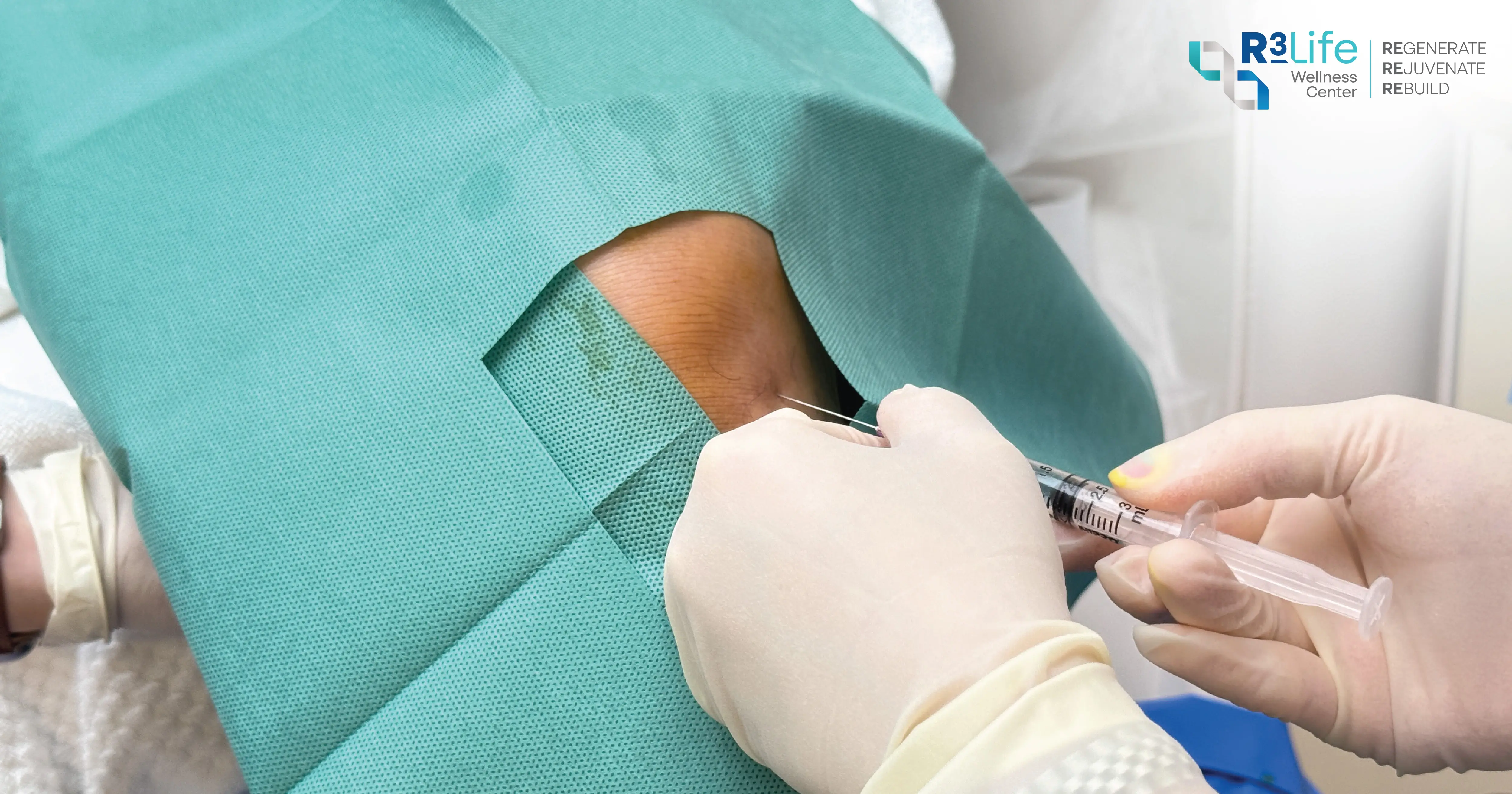
Regenerative Medicine: Stem Cell Therapy for Lasting Relief
Unlike traditional pain relievers that mask symptoms, stem cell therapy repairs damaged joint tissue at the cellular level. This represents a shift from symptom management to regeneration.
Why Mesenchymal Stem Cells (MSCs) Are Superior
Mesenchymal Stem Cells derived from cord tissue and amniotic membrane offer the highest regenerative potential for joint treatments. What makes MSCs unique is their immune-evasive properties. They lack HLA antigens, meaning your body won't reject them. No blood-type matching is needed. Treatment is available to virtually anyone regardless of age or health status.
MSCs work by homing to damaged tissue, reducing inflammation, stimulating tissue repair, and promoting the growth of new cartilage cells. This multi-action approach addresses knee pain at its source rather than simply blocking pain signals.
R3 Life Wellness Center: World-Class Stem Cell Treatment
At R3 Life Wellness Center, our doctors are regenerative medicine with experience in cellular therapy. We don't just offer stem cells; we offer the highest quality stem cells available in Thailand.
Our MSCs feature fresh Passage 0 cells with spindle-shaped morphology, ensuring every session delivers maximum rejuvenation potential. All stem cells sourced from personally known donors. We place the utmost care right from the very first step. Selecting our donor mothers. Each donor is a young, healthy woman with a proven record of high-quality living, ensuring optimal well-being who received excellent pregnancy care, with comprehensive health screening and non-COVID-19 vaccinated donors.
Who Benefits from Stem Cell Therapy?
Ideal candidates include those with:
- Chronic knee joint pain unresponsive to conventional pain relievers
- Early to moderate osteoarthritis
- Sports injuries affecting cartilage or ligaments
- Desire for regenerative solutions vs. temporary fixes
Finding the best pain reliever for knee joint pain is personal. Start with OTC medications, weight loss, and exercise. If those don't provide lasting relief, consider regenerative options like stem cell therapy. At R3 Life Wellness Center, we're ready to help you move beyond pain management toward actual healing. Relief is possible.
Frequently Asked Questions
How long can I safely take NSAIDs?
Use the lowest dose for the shortest time. Beyond 10 days, consult your doctor about alternatives or monitoring strategies.
Can I combine different treatments?
Yes! Combining oral NSAIDs, topical treatments, physical therapy, and weight loss often works better than single approaches.
When should I consider surgery?
Consider surgery when conservative treatments fail after several months or imaging shows severe joint damage.
Stem cells vs. steroid injections: which is better?
This isn't even close. Steroids provide temporary relief but actively damage your joint tissues with each injection. They accelerate cartilage breakdown and reduce your options for future treatment. Stem cells do the opposite: they regenerate damaged tissue, reduce inflammation naturally, and promote long-term healing. For anyone with chronic knee pain who wants actual repair rather than a quick fix that causes more harm, stem cells are the clear choice.
How soon will I see results from stem cell therapy?
Many patients report an early reduction in pain score within 2-6 weeks as stem cells begin their regenerative work. Full benefits typically develop over 3-6 months as new tissue forms and inflammation decreases.
 What is Regenerative Health? Stem Cell Therapy in Thailand
 How Do Stem Cells Know Where to Repair? Understanding the Homing Effect in Stem Cell Therapy