Stem Cell Therapy for Youthful Skin
Stem Cell Therapy for Youthful Skin
Facial Rejuvenation That Begins with Cells Not Fillers (Cord Tissue & Amnion Stem Cells)
Facial rejuvenation has long been associated with filling volume or suppressing muscle movement. From a biological perspective, however, the human body does not regenerate with chemicals.
True skin rejuvenation begins at the cellular level.
This article explains without exaggerated claims why Stem Cell Therapy derived from Cord Tissue and Amnion has become a regenerative approach in modern anti-aging medicine.
Youthful Skin at the Cellular Level
Skin youthfulness depends on balanced cellular function.
- Youthful skin: cells regenerate efficiently
- Aging skin: cellular activity slows, chronic inflammation increases
Collagen loss is not due to a lack of collagen itself, but to dysfunctional collagen-producing cells. Therefore, sustainable rejuvenation focuses on restoring the cellular environment rather than adding temporary substances.
.jpg)
What Is Stem Cell Therapy?
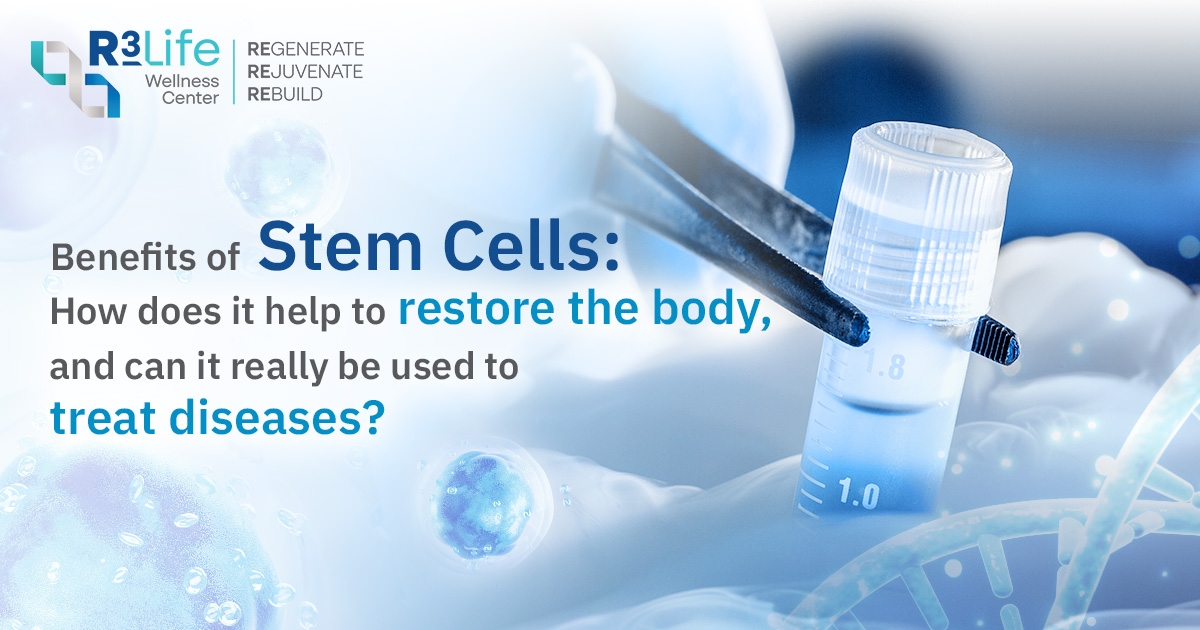
Stem cells are living biological cells not synthetic substances. In skin rejuvenation, they do not replace skin cells directly. Instead, they work through the Paracrine Effect, releasing biological signals that stimulate the body’s own cells to repair and regenerate more effectively.
Cord Tissue Stem Cells: Structural Skin Regeneration
Cord Tissue Stem Cells are youthful Mesenchymal Stem Cells (MSCs) derived from umbilical cord tissue.
Key characteristics:
- High regenerative signaling capacity
- Secretion of growth factors related to tissue repair
- Support natural skin structure without forced alteration
These properties make them widely used in regenerative medicine rather than short-term aesthetic treatments.
.jpg)
Amnion Stem Cells: Reducing Inflammation to Enable Regeneration
Amnion Stem Cells originate from the amniotic membrane, naturally rich in Prostaglandin E2 (PGE2).
PGE2 plays a key role in:
- Reducing cellular inflammation
- Regulating immune balance
- Creating conditions favorable for tissue repair
By interrupting chronic inflammation, Amnion Stem Cells help open the pathway for effective skin regeneration.
Paracrine Effect: Cellular Communication
Stem cells release:
- Growth factors
- Cytokines
- Extracellular vesicles
These biological signals activate natural repair mechanisms through paracrine signaling, the same process the body uses for tissue healing.
Scientific Support
Research in Stem Cells Translational Medicine describes MSCs as a biological repair system, restoring tissue through cellular communication rather than cell replacement. Studies on amnion-derived cells also highlight their strong anti-inflammatory and regenerative properties.
Conclusion
Before choosing facial injections, the key question is not only how fast results appear, but whether the treatment works in harmony with the body and remains safe long term.
Because ultimately, nothing regenerates cells better than cells themselves.
.jpg)
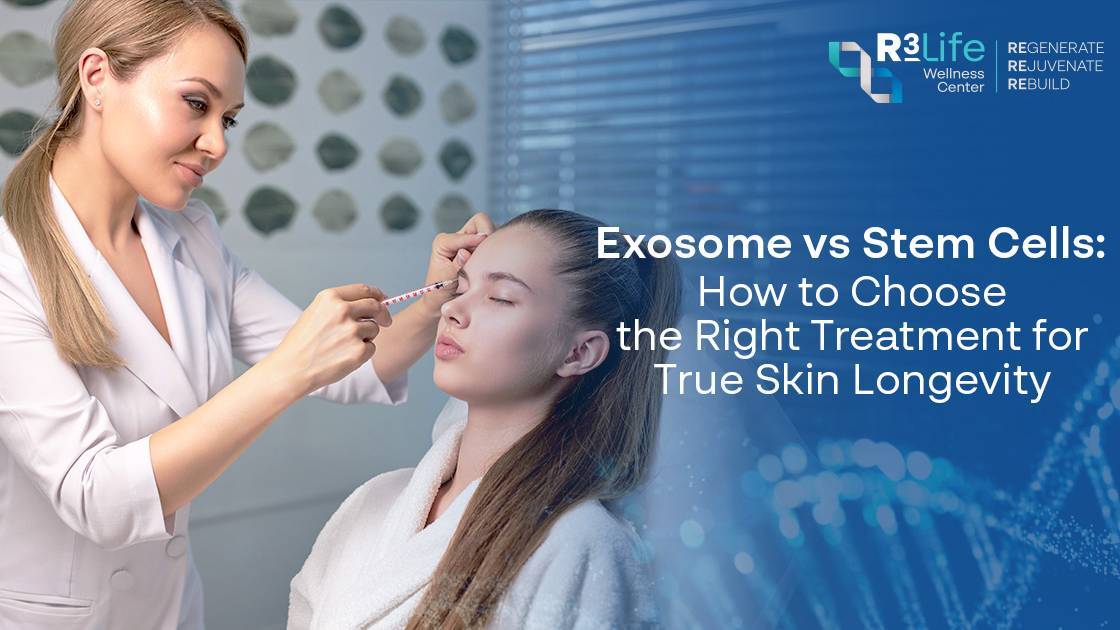
FAQ: Stem Cell Injection
Who is it suitable for?
Answer: For those seeking gradual, natural skin regeneration with improved structural health rather than immediate cosmetic change.
How often is treatment needed?
Answer: Typically every 6–12 months, depending on skin condition and individual goals.
How should I choose between different price ranges for facial stem cell treatment?
Answer: Rather than choosing based on price alone, focus on whether the care feels medically transparent, responsible, and appropriate for you.
When you speak with the doctor or client service team, notice how openly they communicate. Are your questions welcomed and answered clearly? Transparency is often felt in the conversation itself, not in marketing claims.
Physician expertise matters more than before-and-after photos. The absence of such images does not mean a doctor lacks experience. Every person’s biology, skin condition, and lifestyle are different, and results vary. Comparing yourself to someone else’s outcome rarely reflects what is realistic for your own body.
Equally important is knowing exactly what enters your body. Ask where the stem cells come from, who the donor is, how the cells are processed and cultured, what safety standards and certifications are in place, and whether official documentation is provided after treatment. Reputable providers are comfortable explaining these details and offering verification.
In the end, choosing between price ranges is about selecting care you can trust — care that prioritizes medical clarity, physician judgment, and verified safety — rather than simply choosing the lowest or highest price.

 10 Best Liver Healthy Foods for Optimal Function