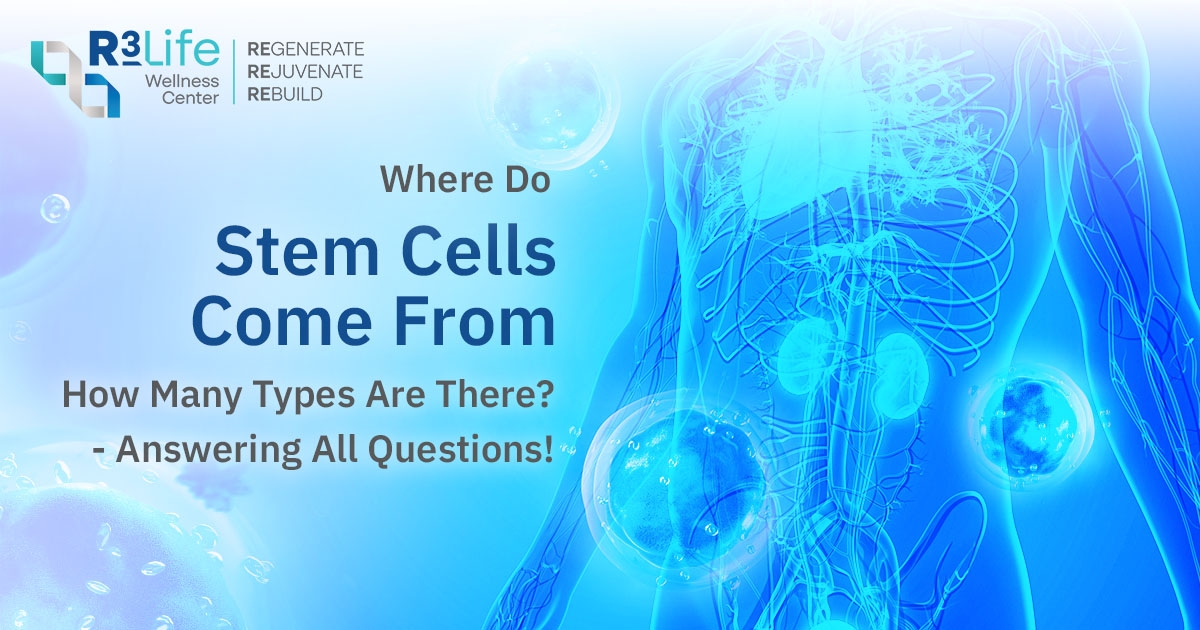
Where Do Stem Cells Come From And How Many Types Are There? - Answering All Questions!
We often hear the term “stem cells” through various media channels regarding its benefits. Besides knowing about what stem cells are or its uses, many are perhaps not aware of its origins, how many types of stem cells exist, which part of the body it is collected from, or the development into other cell types. Acquire information regarding this healthcare alternative and find out the answer to these queries together…
Types of Stem Cells
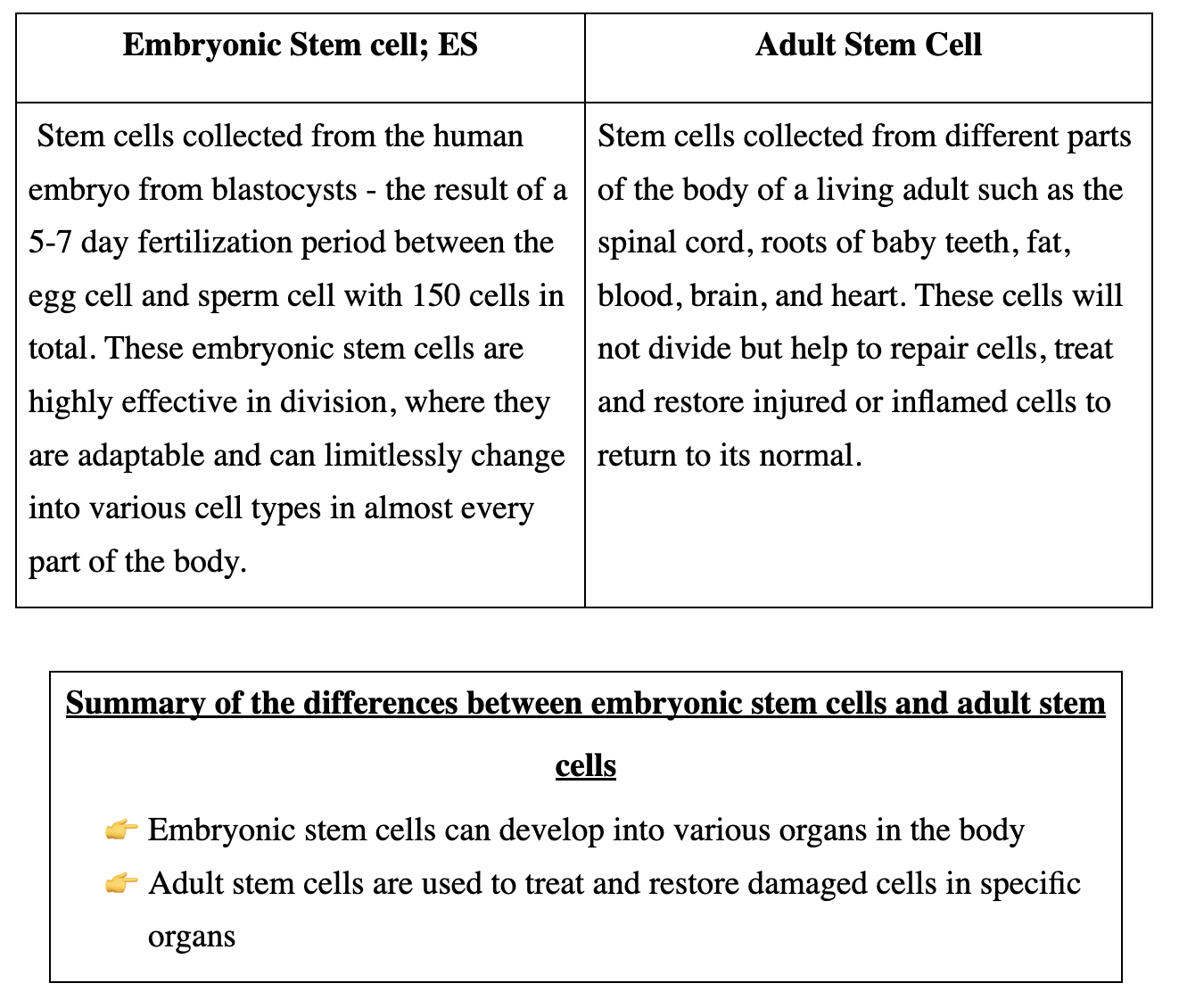
There are many types and origins of stem cells, which can be divided into two main types depending on how it is collected:
Where can stem cells be collected from?
Stem cells can be collected from many sources, all of which have different benefits as follows:
- Stem cells from cord blood (CB)
Cord blood is an important source for haematopoietic stem cells, rich in young cells to rejuvenate the body, and treat various diseases particularly those related to the blood system.
- Stem cells from cord tissue (CT) or MSCs
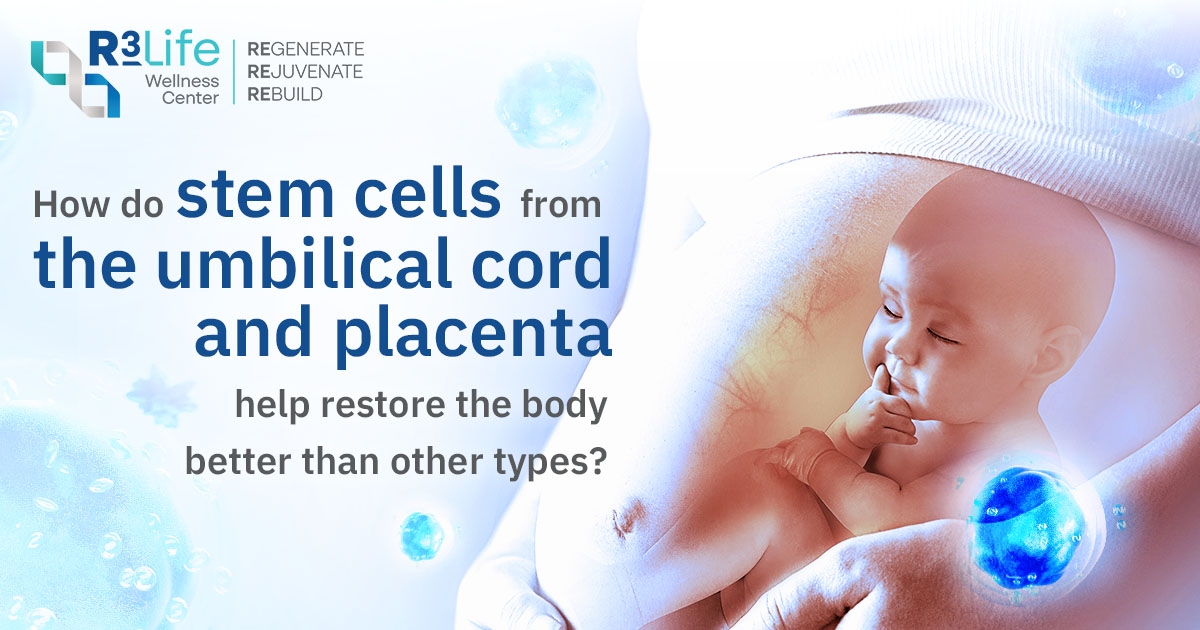
The umbilical cord tissue is another source of stem cells consisting of MSCs (mesenchymal stem cells) that can grow into various tissues, and can be used on family members or other people as well.
- Stem cells from the amnion tissue (AT)
The placental membrane is rich in two types of stem cells: epithelial stem cells and mesenchymal stem cells.
- Stem cells from the placenta
Stem cells extracted from the placenta are a source of many enzymes and biologically active substances such as genetic material, RNA, DNA, peptides, amino acids, proteins, etc.
What can each type of stem cell develop into?
There are many sources of stem cells where each has the ability to develop or change itself into various other cells as follows:
- Hematopoietic Stem Cells (HSCs): Stem cells from the bone marrow, bloodstream, and umbilical cord which can develop and change into various haematopoietic cells such as red blood cells, white blood cells and platelets.
- Mesenchymal Stem Cells (MSCs): Stem cells from the umbilical cord tissue, placenta, and placental membranes. Mesenchymal stem cells have the ability to develop into specific cells for that tissue such as the liver tissue, nervous tissue, and bone tissue, etc. However, this type of stem cell has the specific ability to regenerate organs. For example, when stem cells derived from the heart system are collected and used, they will only transform and be used to repair the heart cells, different to the properties of embryonic stem cells.
It is evident that various parts of the human body can be a source for stem cells, or many types of stem cells. Furthermore, the current technology enables stem cell storage for future use, providing another option for physical rehabilitation. For those who wish to store or use stem cells to rehabilitate the body, it is always recommended to seek advice from a medical professional first in order to assess your physical condition, the number of stem cells required, and using stem cells in the appropriate method. At R3 Life Wellness Center, we have doctors who are specialized in stem cell use ready to service you during business hours.
For further information about STEM CELL THERAPY, please click here.

 12 Brain Boosting Foods for Better Memory & Focus