Stem Cell Therapy in Thailand: What You Should Really Look for Before Choosing a Clinic
- Stem cell therapy should begin with proper medical assessment, not just treatment availability or marketing claims.
- Responsible clinics focus on personalized treatment planning based on each individual’s health condition, goals, and suitability.
- Pre-treatment evaluations, including selected tumor marker screening when appropriate, help support patient safety before therapy.
- Trustworthy regenerative medicine providers encourage open physician consultation, realistic expectations, and pressure-free decision making.
- At R3 Life, we believe stem cell therapy is not about selling hope blindly — but providing honest guidance, transparency, and patient-centered care.
Stem Cell Therapy in Thailand: What You Should Really Look for Before Choosing a Clinic
Over the past few years, more people from around the world have started exploring stem cell therapy abroad, especially in destinations like Thailand, where regenerative medicine and preventive healthcare continue to grow rapidly.
For many patients, the journey usually begins the same way:
Hours of research.
Confusing information.
Different promises from different clinics.
And one important question: “Who can I actually trust with my health?”
Because when people search for stem cell therapy overseas, they are often not simply looking for luxury treatments or medical tourism.
They are looking for hope, grounded in honesty. Stem Cell Therapy Is About More Than Just “Cell Counts”
One of the most common misconceptions in regenerative medicine is the belief that higher numbers automatically mean better outcomes.
Many advertisements focus heavily on:
- millions of cells
- premium packages
- anti-aging claims
- or dramatic promises
But in reality, stem cell therapy is far more complex than marketing language.
The quality of care is not determined by cell count alone.
It also depends on:
- the individual’s health condition
- inflammatory environment
- treatment suitability
- physician assessment
- biological response
- and overall treatment planning
Even the highest-quality stem cells cannot replace proper medical judgment.
Why Pre-Treatment Screening Matters
Responsible regenerative medicine should begin with understanding the body receiving the treatment.
At R3 Life, patient safety and treatment suitability are important parts of the medical process before stem cell therapy begins.
Depending on the individual’s condition and medical history, pre-treatment evaluation may include:
- immune and inflammatory markers
- metabolic health assessment
- liver and kidney function
- and selected tumor marker screening when appropriate
These assessments help our medical team better understand your current health condition and identify potential concerns before treatment.
Because regenerative medicine is not simply about administering stem cells — it is also about ensuring the body is appropriately evaluated beforehand.
Not Every Person Is an Ideal Candidate for Stem Cell Therapy
This is one of the most important conversations that many patients are never encouraged to have.
A responsible regenerative medicine provider should not simply focus on whether treatment is available.
They should first ask: Is this treatment appropriate for this individual?
Because regenerative medicine should never become a one-size-fits-all process.
Every patient has:
- different medical histories
- different goals
- different risk profiles
- and different expectations
In some situations, stem cell therapy may be appropriate.
In others, patients may benefit more from additional evaluation, lifestyle intervention, conventional medical care, or simply waiting until the timing is more suitable.
Sometimes, the most trustworthy doctor is not the one who says “yes” immediately but the one willing to explain both the possibilities and the limitations honestly.
Why Personalized Treatment Planning Matters
One of the biggest concerns in the global stem cell industry today is the growing use of standardized treatment packages.
Many clinics offer nearly identical protocols to every patient regardless of:
- age
- condition
- recovery goals
- inflammatory status
- or overall health context
But regenerative medicine is deeply personal.
The body’s response to stem cells depends not only on the cells themselves, but also on the biological environment receiving them.
That is why personalized treatment planning matters.
A thoughtful approach should consider:
- medical history
- current health condition
- realistic expectations
- recovery objectives
- lifestyle factors
- and physician evaluation
Because ultimately, regenerative medicine should support the individual not force the individual into a fixed commercial package.
Cord Tissue & Amnion Stem Cells: Understanding the Bigger Picture
Cord Tissue and Amnion-derived regenerative cells have become increasingly discussed in modern regenerative medicine.
These sources are often explored for their role in:
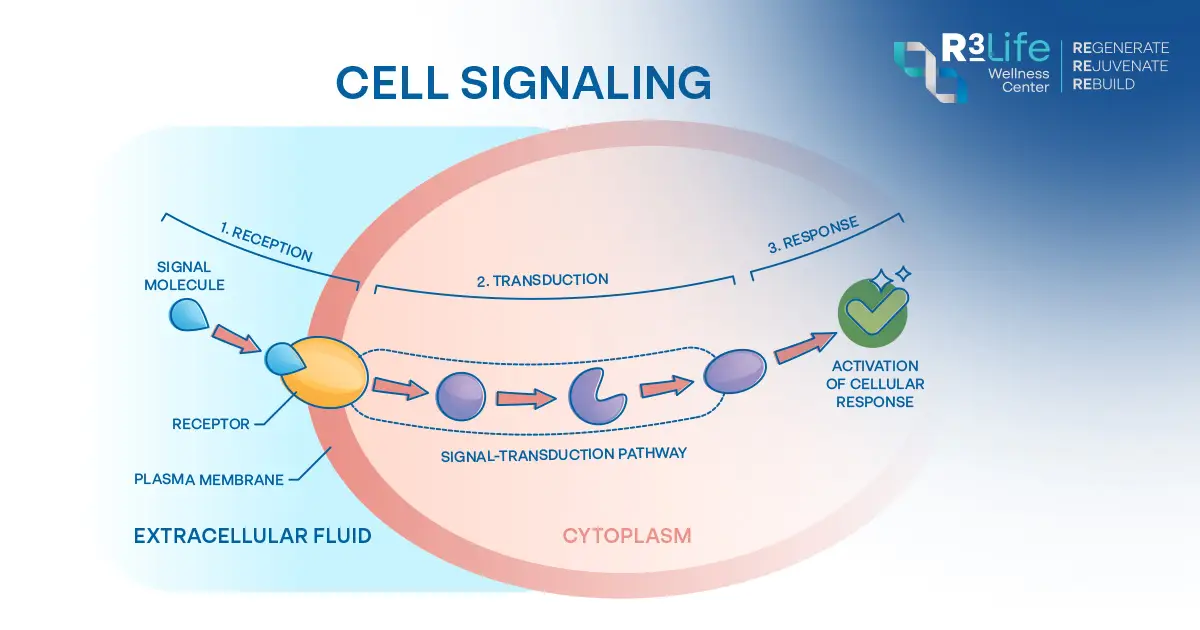
- cellular signaling
- regenerative support
- growth factors
- and communication within the body’s healing environment
However, what matters most is not simply where the cells come from.
Equally important are:
- sourcing transparency
- handling and preparation standards
- physician oversight
- treatment appropriateness
- and patient-specific planning
Patients should feel comfortable asking questions such as:
- Where are the cells sourced from?
- How are they prepared and stored?
- What quality standards are followed?
- Who determines whether this treatment is suitable for me?

A trustworthy clinic should welcome these conversations openly.
Questions You Should Ask Before Choosing a Stem Cell Clinic Abroad
If you are considering stem cell therapy in Thailand or elsewhere, it is important to ask more than just “How much does it cost?”
However, as regenerative medicine grows globally, patients should still approach every clinic thoughtfully and carefully.
Not all stem cell providers operate with the same philosophy, standards, or medical approach.
That is why transparency and physician integrity matter.

 Psoriatic Arthritis and What Stem Cell Research Shows