Checkpoint Inhibitors: How They Work & What to Expect
Highlight
- Checkpoint inhibitors are immunotherapy treatments that help your immune system fight cancer
- Side effects differ from chemotherapy — fewer nausea but monitor for immune-related reactions
- NK Cell therapy is a complementary wellness option for cancer survivors and those seeking immune support — not a cancer treatment
- Consult your oncologist to determine the best treatment approach for your individual situation
If you have a family history of cancer and want to reduce your risk, or if you've completed cancer treatment and worry about recurrence, understanding modern immunotherapy options is essential. While checkpoint inhibitors are revolutionary treatments for active cancer, emerging complementary approaches like NK Cell therapy focus on prevention and immune system optimization.
This guide is specifically for:
- Individuals with family cancer history concerned about future risk
- Cancer survivors who've completed treatment and want to prevent recurrence
- People seeking preventive immune support as part of comprehensive wellness
Important Note: If you're currently undergoing cancer treatment, all decisions about checkpoint inhibitors and complementary therapies must be made in consultation with your oncologist to achieve the best possible treatment outcomes.
What Are Immune Checkpoint Inhibitors?
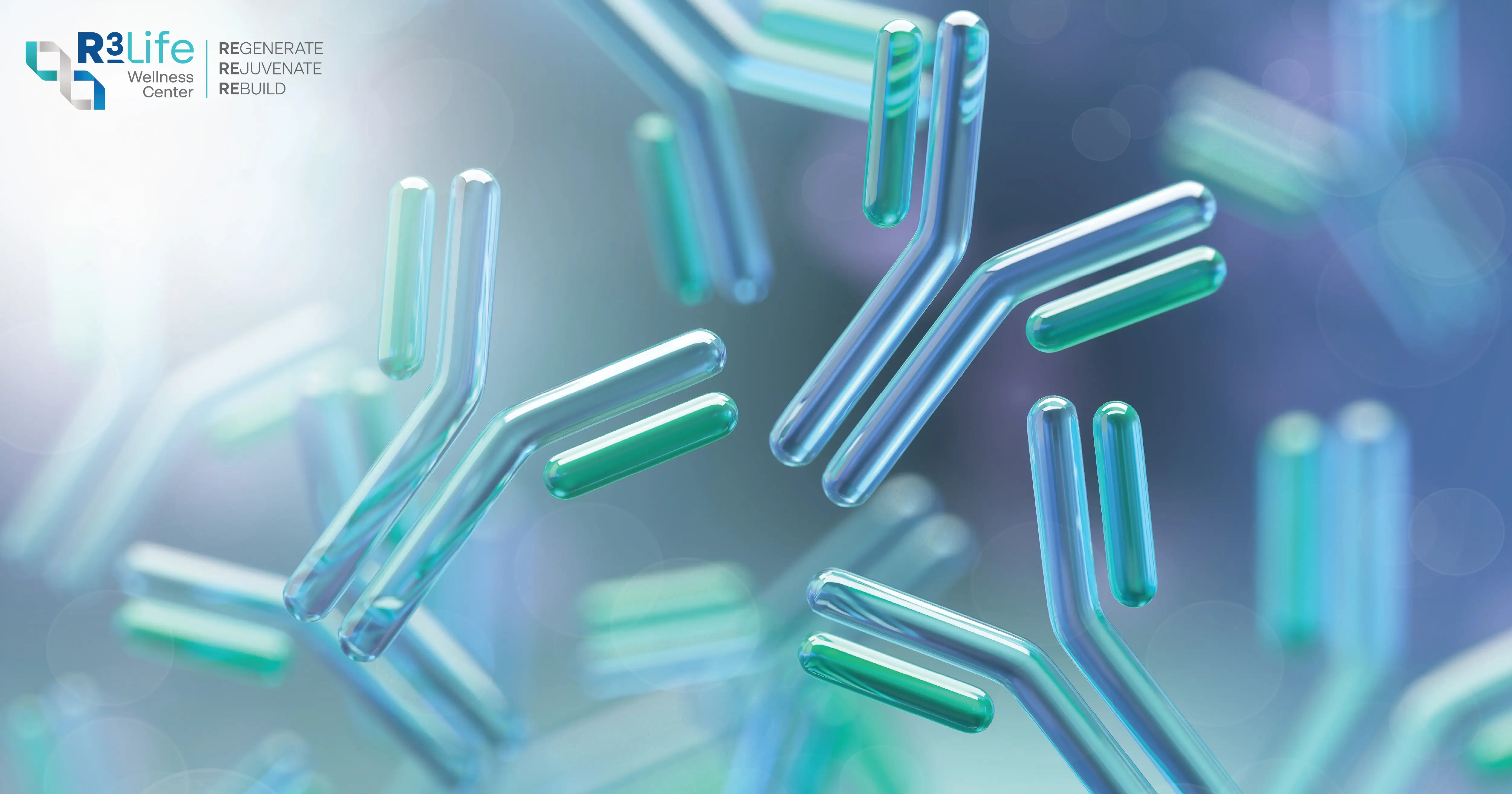
Checkpoint inhibitors are a type of immunotherapy that helps your immune system recognize and fight cancer cells. Unlike chemotherapy, which directly attacks cancer cells, checkpoint inhibitors work by removing the 'brakes' that cancer cells use to hide from your immune system.
Your immune system has proteins called 'checkpoints' that normally prevent immune cells from attacking healthy tissue. Some cancer cells exploit these checkpoints to avoid detection. Checkpoint inhibitors block these signals, allowing your immune system to recognize and attack cancer cells.
How Do Checkpoint Inhibitors Work?
PD-1 and PD-L1 Inhibitors
PD-1 is a checkpoint protein on T cells that acts as an 'off switch.' When it binds to PD-L1 on cancer cells, T cells don't attack. PD-1 inhibitors include pembrolizumab (Keytruda) and nivolumab (Opdivo). PD-L1 inhibitors include atezolizumab (Tecentriq) and durvalumab (Imfinzi). Both have been approved by the US and Thai FDA.
CTLA-4 Inhibitors
CTLA-4 is another checkpoint protein. Ipilimumab (Yervoy) blocks CTLA-4 and is often used in combination with PD-1 inhibitors for enhanced effectiveness.
Which Cancers Can Be Treated?
Checkpoint inhibitors have shown to delay disease progression and increase survival rate in various cancer types:
- Melanoma and non-small cell lung cancer (NSCLC)
- Kidney cancer (renal cell carcinoma)
- Bladder and liver cancer
- Head and neck cancers
- Hodgkin lymphoma
Treatment options depend on the type and stage of cancer, possible side effects, and the patient's overall health. All patients should discuss their treatment plan with a multidisciplinary team.
Understanding Side Effects
The side effects of checkpoint inhibitors differ from chemotherapy—bone marrow suppression, nausea, and vomiting are less common. However, because these drugs activate the immune system, they can cause immune-related effects.
Common Side Effects
- Fatigue and skin rash
- Diarrhea and nausea
- Joint or muscle pain
Serious Side Effects (Less Common)
Sometimes the immune system may attack healthy organs. These can be serious or life-threatening:
- Lung, liver, or intestinal inflammation
- Hormone gland problems
- Heart or kidney inflammation
Important: Tell your healthcare team immediately if you notice any new symptoms. Side effects must be managed by a specialist.
Concerned About Your Family's Cancer History?

Your family's cancer history doesn't define your future. If you're concerned about genetic predispositions and the risk of inheriting cancer, there are proactive steps you can take to support your immune health and reduce potential future health challenges.
NK Cells (Natural Killer Cells) are a type of immune cell that plays a crucial role in your body's defense system. They are known for their ability to recognize and destroy abnormal cells — without the need for prior sensitization. This makes them your body's natural protector.
Who is NK Cell Therapy Suitable for?
- Concerned about inheriting cancer: If you have a family history of cancer and worry about genetic predispositions, NK Cell therapy offers a proactive approach to support immune health
- Concerned about cancer returning: For those who have overcome cancer but remain anxious about recurrence, this therapy helps strengthen your body's natural defenses
- Concerned about weakened immune system: If you're worried about immune function impacting your overall health, this therapy helps restore and enhance immune resilience
Note: NK Cell therapy supports your immune system and helps reduce future health risks. It is not a replacement for cancer treatment but a proactive approach to wellness.
NK Cell Therapy at R3 Life Wellness Center
Your family's cancer history doesn't define your future. At R3 Life, we empower you to take control of your well-being with a proactive approach to reducing potential future health challenges.
Exceptional Care That Meets Global Standards
R3 Life Wellness Center partners with Thailand's leading laboratory that utilizes exclusive Flow Cytometry Technology and UK NEQAS certification. Our partner laboratory operates a Clean Room Class 100 facility meeting international biobank standards (ISO 20387), while our ABAARM-certified physicians bring extensive expertise in anti-aging and regenerative medicine.
FREE Medical Consultation for Your Health Don't let worry about the future hold you back. Our specialists will assess your situation and create a personalized plan for your immune health.
Frequently Asked Questions About Checkpoint Inhibitors
Are checkpoint inhibitors the same as chemotherapy?
No, checkpoint inhibitors are immunotherapy—they help your immune system fight cancer, while chemotherapy directly attacks cancer cells. Each has different benefits, and your oncologist will recommend the best option for you.
Can checkpoint inhibitors cure cancer?
Some patients experience long-lasting responses or remissions. However, outcomes vary depending on cancer type, stage, and biomarkers. Your oncologist can discuss realistic expectations.
Is NK Cell Therapy Safe?
Yes, NK Cell therapy is considered very safe. It uses components from your own body, which helps reduce the risk of unwanted reactions. Some people may experience mild, temporary effects — like slight fatigue or low-grade fever — as the body adjusts. These are generally short-lived.

 Do you know about NK cells? Natural cancer protection