Prediabetes and Type 2 Diabetes Prevention: How to Manage Blood Sugar at Every Stage
Prediabetes and Type 2 Diabetes Prevention: How to Manage Blood Sugar at Every Stage
5 Key Takeaways
- Prediabetes often develops without obvious symptoms. Fasting plasma glucose (FPG) and A1C (HbA1c) can help identify abnormal blood sugar before type 2 diabetes develops.
- Insulin resistance and prediabetes are warning signs, not guarantees of future diabetes. Early lifestyle changes and appropriate weight management can meaningfully reduce risk in many people.
- Diabetes prevention changes after diagnosis. Before type 2 diabetes develops, the goal is to prevent or delay disease. After diagnosis, the focus shifts toward blood sugar control and reducing the risk of complications.
- Medication remains an important part of diabetes care when prescribed. Lifestyle, weight, blood pressure, cholesterol, kidney health, eye health and cardiovascular risk should be managed alongside instead of standard medical treatment.
- At R3 Life Wellness Center in Bangkok, metabolic care begins with understanding the individual’s current risk and health status. Supportive wellness options may be considered when appropriate, but they do not replace diabetes medication, medical monitoring or evidence-based treatment.
Many people think about diabetes only after a blood test crosses the diagnostic threshold.
But type 2 diabetes usually develops over time.
Before diagnosis, the body may already be showing changes in blood sugar regulation, insulin sensitivity, weight, blood pressure or cholesterol often without noticeable symptoms.
This is why diabetes prevention should not begin with the question: “Do I have diabetes yet?”
A more useful question is: “Where am I now, and what risk should I be working on next?”
For someone with normal blood sugar but increasing metabolic risk, the goal may be prevention. For someone with prediabetes, the goal is to reduce the chance of progression. And for someone already living with type 2 diabetes, prevention still matters but the focus shifts toward reducing complications and protecting long-term health.

Prediabetes: The Stage Many People Do Not Feel
Prediabetes means blood glucose levels are higher than normal but have not reached the diagnostic range for diabetes.
It often causes no obvious symptoms.
One reason this can happen is insulin resistance, a state in which the body’s cells respond less effectively to insulin, requiring the body to work harder to keep blood glucose within range. Insulin resistance does not automatically mean someone has prediabetes, but the two can be closely related.
What Blood Sugar Levels Indicate Prediabetes?
| Test | Normal | Prediabetes | Diabetes |
| Fasting plasma glucose (FPG) | <100 mg/dL (<5.6 mmol/L) | 100–125 mg/dL (5.6–6.9 mmol/L) | ≥126 mg/dL (≥7.0 mmol/L) |
| A1C (HbA1c) | <5.7% | 5.7–6.4% | ≥6.5% |
These thresholds are commonly used for screening and diagnosis. A result in the diabetes range generally requires appropriate medical confirmation unless clear symptoms and markedly elevated glucose are present.
One abnormal result should not be used to diagnose yourself.
Who Should Consider Blood Sugar Screening?
Blood sugar testing may be worth discussing with a physician if you have risk factors such as:
- Overweight or obesity
- A parent or sibling with type 2 diabetes
- Limited physical activity
- Previous gestational diabetes
- Polycystic ovary syndrome (PCOS)
- High blood pressure
- Abnormal cholesterol
- Fatty liver disease
- A previous diagnosis of prediabetes
Age and family history cannot be changed, but many other factors can be addressed—particularly when they are identified before symptoms appear.
Can Prediabetes Be Prevented from Progressing?
Not everyone with prediabetes will develop type 2 diabetes.
The landmark Diabetes Prevention Program (DPP) found that among people at high risk, an intensive lifestyle intervention targeting approximately 7% weight loss and at least 150 minutes of physical activity per week reduced progression to type 2 diabetes by 58% compared with placebo over about three years.
That does not guarantee the same result for every person.
What it does show is that risk can be meaningfully influenced, particularly through changes that improve overall metabolic health.
Practical steps may include:
- Eating more vegetables, protein and fiber while paying attention to carbohydrate quality and portion size
- Moving regularly and reducing long periods of sitting
- Combining aerobic and resistance exercise
- Working toward appropriate weight loss when excess weight is contributing to risk
- Improving sleep consistency
- Managing stress in ways that can be sustained long term
Prevention does not require a perfect lifestyle. A realistic plan followed consistently is usually more useful than an extreme plan that lasts only a few days.
If You Already Have Type 2 Diabetes, Prevention Still Matters
A diagnosis of type 2 diabetes does not mean prevention has failed.
The goal simply changes.
At this stage, care is not only about achieving a particular A1C value. Persistently elevated blood sugar can affect the heart, blood vessels, kidneys, eyes, nerves and feet, which is why long-term diabetes management looks beyond glucose alone.
Medication may be an essential part of treatment, and prescribed medication should not be stopped, reduced or changed without guidance from the treating physician.
Comprehensive care may also involve:
- Healthy eating and regular physical activity
- Appropriate weight management
- Blood pressure and cholesterol control
- Kidney monitoring
- Eye and foot screening
- Cardiovascular risk assessment
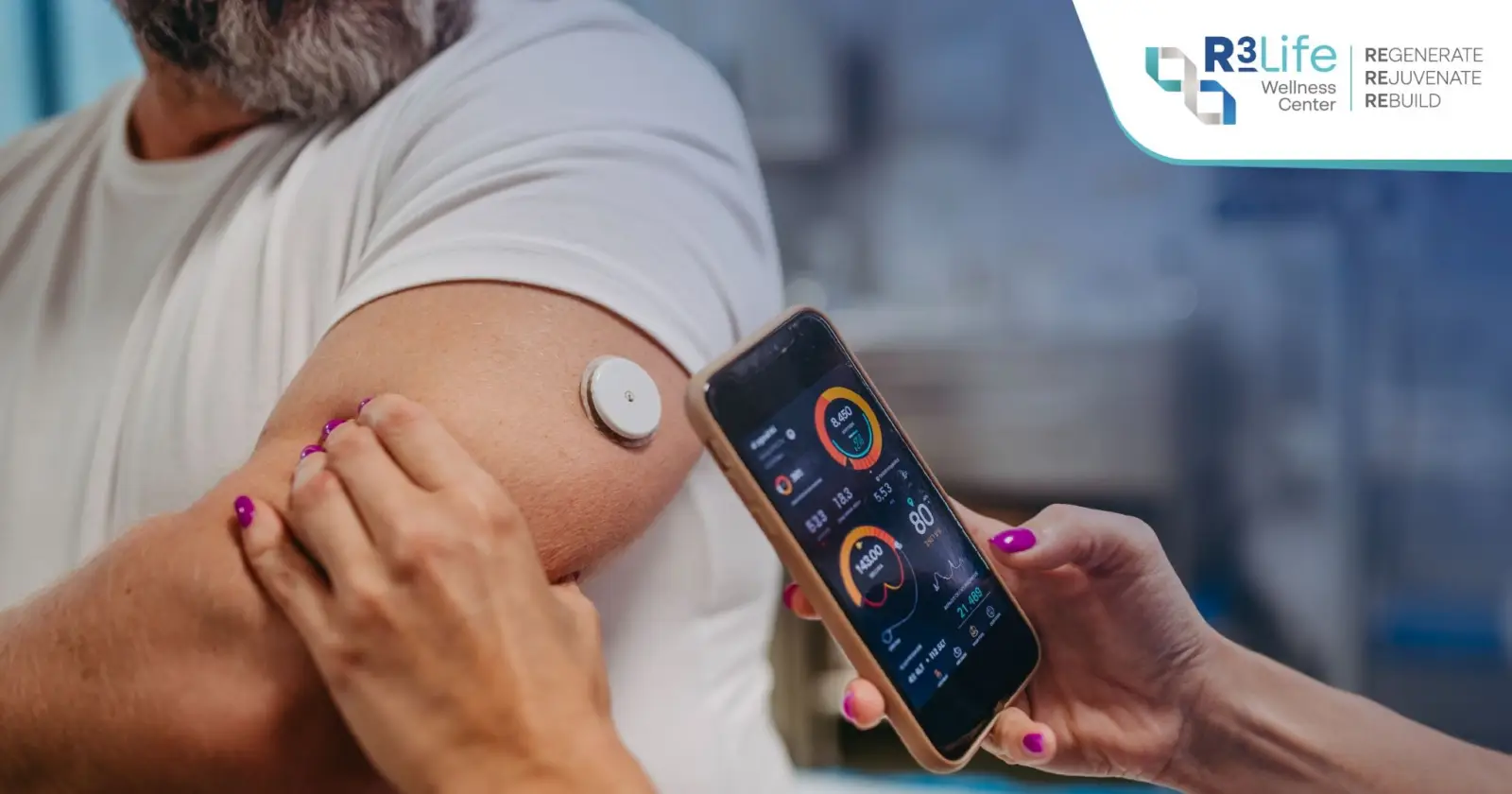
- Ongoing blood sugar monitoring
- A care plan that fits the person’s daily life
Care beyond medication does not mean care instead of medication.
Metabolic Health in Bangkok: Start with Assessment, Not a Program
For international residents in Thailand or people spending extended periods in Bangkok—metabolic health can be easy to overlook when there are no obvious symptoms.
This is particularly relevant because prediabetes and early type 2 diabetes may remain silent for years.
At R3 Life Wellness Center in Bangkok, metabolic care starts with understanding where the individual is today.
A physician may review:
- Medical and family history
- Current medications and supplements
- Weight and body composition
- Eating and physical-activity patterns
- Fasting glucose and A1C
- Blood pressure
- Lipid profile
- Other laboratory findings when clinically relevant
- Personal health goals and risk factors
The purpose is not to place everyone into the same program.
It is to identify which risks are actually present, what should be monitored and what changes may be appropriate for that individual.
Where Do Supportive Wellness Options Fit?
R3 Life does not position IV wellness therapy as a treatment for diabetes or as a substitute for standard diabetes care.
After physician assessment, supportive wellness or weight-management options may be considered in selected individuals when they fit the person’s broader health plan.
Their role is supportive, not curative.
They should not be described as methods that can:
- Cure type 2 diabetes
- Replace prescribed medication or insulin
- Guarantee lower A1C
- Prevent diabetes complications on their own
- Reverse insulin resistance in every individual
For people taking glucose-lowering medication, changes in food intake, exercise or body weight may also affect blood glucose. These changes should therefore be coordinated with appropriate medical care.
People with kidney disease, cardiovascular disease, unstable blood sugar, pregnancy or complex medication use require particular medical consideration before receiving any supportive wellness service.

What Should You Be Trying to Prevent Next?
The answer depends on where you are today.
If your blood sugar is currently normal but risk is increasing, the priority may be preventing insulin resistance and metabolic risk from progressing.
If you have prediabetes, the goal may be to prevent or delay type 2 diabetes.
If you already have type 2 diabetes, prevention becomes about reducing complications, protecting organ function and maintaining quality of life.
At R3 Life, this is why care begins with assessment rather than the assumption that everyone needs the same treatment.
The objective is not to promise that a condition will disappear.
It is to help clarify what is happening now, which risks matter most and what actions may be appropriate next.
Consult a Physician About Your Blood Sugar and Metabolic Health
If you live in Thailand or are looking for metabolic health or diabetes screening in Bangkok, you may bring recent laboratory results, your medication and supplement list, and your health goals to a physician consultation at R3 Life Wellness Center.
A consultation does not mean that everyone needs IV therapy, medication changes or another program.
Its value is in understanding your current metabolic health, identifying relevant risk factors and deciding what should—and should not—be addressed.
FAQ
1. What blood sugar level is considered prediabetes?
Prediabetes is generally defined as fasting plasma glucose of 100–125 mg/dL (5.6–6.9 mmol/L) or A1C of 5.7–6.4%. Results should be interpreted together with your overall health and medical history.
2. Can you have prediabetes without symptoms?
Yes. Prediabetes frequently causes no noticeable symptoms, which is why screening may be important for people with relevant risk factors.
3. What is the difference between insulin resistance and prediabetes?
Insulin resistance means the body responds less effectively to insulin. Prediabetes refers to blood glucose levels that are higher than normal but below the diabetes range. A person may have insulin resistance before blood sugar rises into the prediabetes range.
4. Can prediabetes return to the normal range?
In some people, blood sugar can return to the normal range, particularly when lifestyle and weight-related risk factors are addressed early. This should not be interpreted as a permanent cure, and ongoing monitoring remains important.
5. Can IV therapy replace diabetes medication?
No. IV wellness programs do not replace medication, insulin, nutrition, exercise or routine diabetes monitoring. Never stop or reduce prescribed diabetes treatment without discussing it with the treating physician.

 Feeling Tired, Moody, or Aging Fast? How Hormone Testing, Placenta, and Nebido Can Help You Regain Balance