Microbiome Revolution: Gut Health Technology for Longevity Medicine | R3 Life
Explore how microbiome science, DNA sequencing, AI, precision nutrition, and beyond probiotics are shaping the future of gut health, personalized wellness, and longevity medicine.
Beyond Probiotics: How Gut Health Technology Is Shaping the Future of Longevity Medicine
5 Key Takeaways
- The microbiome is an ecosystem of microorganisms living in and on the human body, and it is becoming one of the most important areas of interest in longevity medicine and personalized health.
- Advances in DNA sequencing, big data analytics, and AI are helping researchers understand the relationship between the gut microbiome, health, inflammation, metabolism, and aging more deeply than ever before.
- Microbiome testing reflects the growing shift from one-size-fits-all healthcare toward more personalized wellness strategies.
- The world of gut health is moving beyond probiotics, focusing on the balance of the entire gut ecosystem rather than simply adding beneficial bacteria.
- Many experts believe that microbiome science may become one of the key technologies shaping the future of preventive health, precision medicine, and healthy aging.
What If the Future of Medicine Begins in the Gut?
Why do some people eat similar diets, exercise regularly, and follow healthy lifestyles, yet experience completely different health outcomes?
This question is becoming one of the most important topics in modern health science.
For decades, medicine has explained health through familiar factors such as genetics, age, lifestyle, and environment. But in recent years, researchers have begun to focus on another powerful variable that may influence long-term health: the microbiome.
The microbiome is not just a trendy wellness term. It is a living, dynamic ecosystem inside the body. And as science begins to understand it more clearly, the gut may become one of the most important frontiers in longevity medicine, personalized wellness, and preventive healthcare.
What Is the Microbiome?
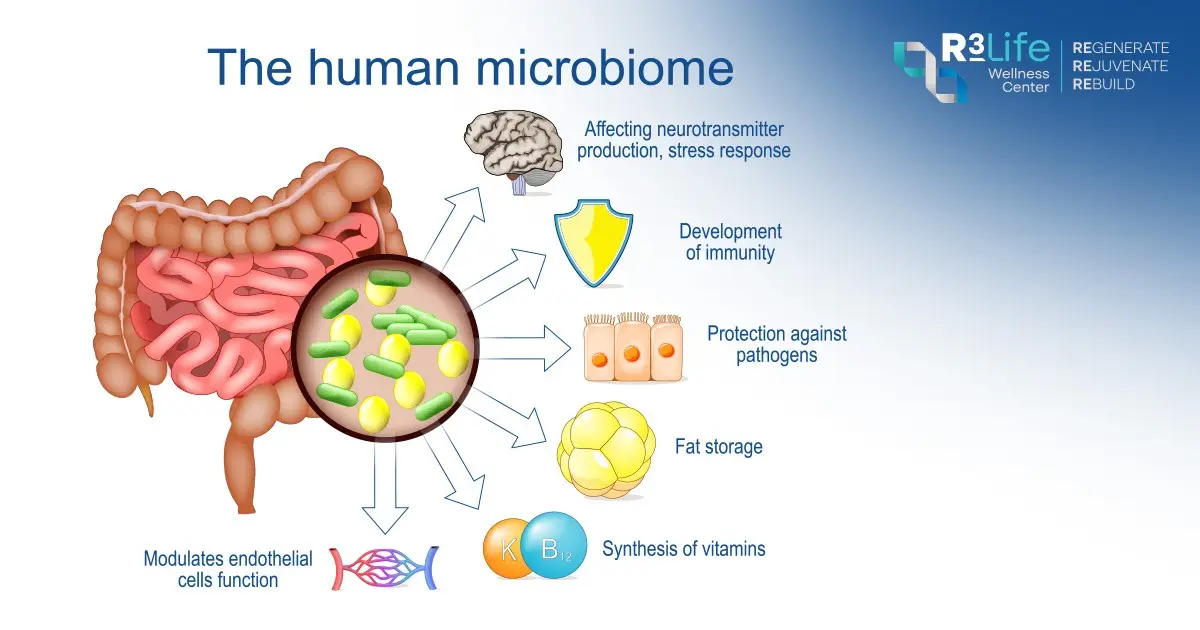
The microbiome refers to the ecosystem of microorganisms that live inside and on the human body. These include bacteria, fungi, viruses, and other microbes. While they can be found in many areas of the body, the largest and most complex microbial community is located in the digestive system.
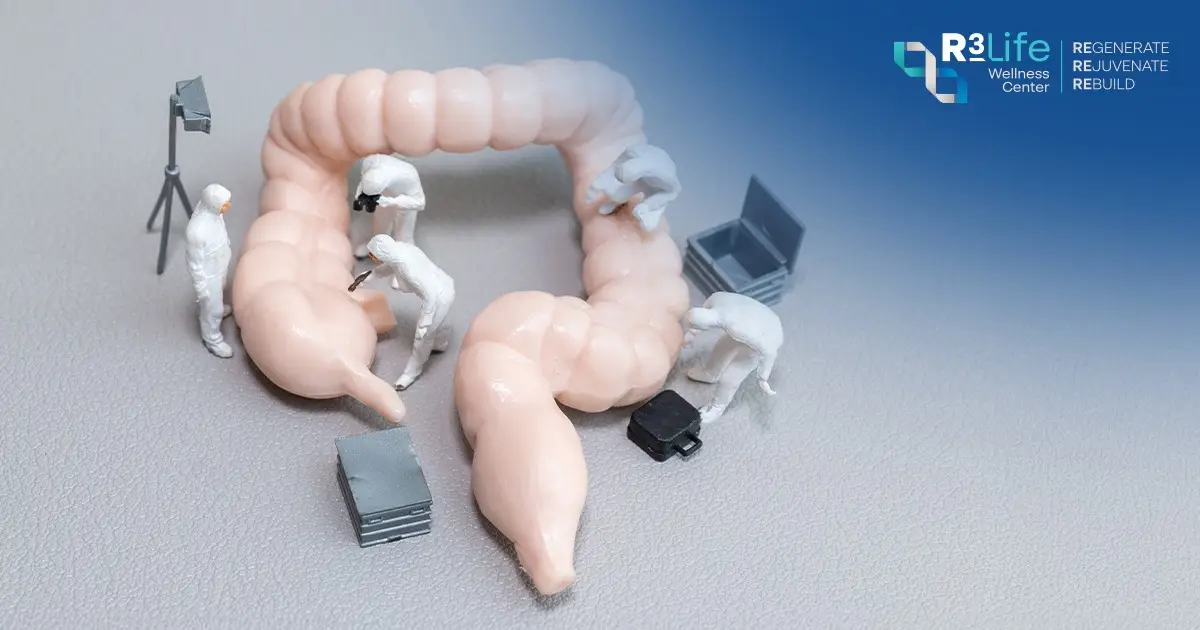
Although these microorganisms are invisible to the naked eye, together they form a highly complex biological network. Imagine a living city with trillions of tiny residents, each interacting, competing, communicating, and contributing to the overall balance of the body.
The reason the microbiome has become such a major topic today is not because these microorganisms were only recently discovered. It is because modern technology is finally allowing us to study them in a much deeper way.
From DNA sequencing and next-generation sequencing to big data analytics and artificial intelligence, new technologies are helping researchers explore the connection between the gut microbiome, metabolism, immune function, inflammation, and the aging process.
This is why many experts believe that one of the most exciting trends in longevity medicine over the next decade may not only be the discovery of a new supplement or vitamin. It may be the ability to understand the body’s internal ecosystem with greater precision.
Perhaps the future of healthy aging does not begin with what we can see from the outside. It may begin with the trillions of microorganisms that have been living within us all along.
The Microbiome Revolution: How Technology Is Changing Gut Health Science
Just 20 years ago, our understanding of gut bacteria was limited.
Scientists could only study microbes that could be successfully grown in a laboratory. This meant that a large number of microorganisms inside the gut remained unexplored.
Everything began to change with the development of next-generation sequencing, also known as NGS.
This technology allows researchers to analyze the genetic material of massive microbial communities at the same time. Instead of studying only a small fraction of bacteria, scientists can now create a much more detailed map of the gut microbiome.
If traditional gut research was like looking at a city through a small window, sequencing technology is like viewing the entire city from a satellite.
For the first time, researchers can begin to ask more meaningful questions:
- Which microorganisms live in the gut?
- How diverse is the gut microbiome?
- How do these microorganisms interact with one another?
- How are they connected to immune function, metabolism, and inflammation?
- How might they influence different dimensions of human health?
This scientific progress has sparked what many call The Microbiome Revolution. It has also become an important foundation for precision medicine, where healthcare is designed to be more personalized and data-driven.
When we understand the body in greater detail, healthcare no longer needs to follow the same formula for everyone.
Microbiome Testing: Mapping the Gut Ecosystem
One technology receiving growing attention is microbiome testing, which analyzes the composition and diversity of microorganisms in the gut.
In the past, health checkups mainly focused on blood tests, biochemical markers, and organ function. Today, microbiome technology is adding another dimension to how we understand health.
The idea behind microbiome testing is to evaluate the balance, diversity, and structure of the gut ecosystem. This may help provide a broader picture of what is happening inside the body.
Although microbiome testing is still developing and has limitations, it reflects an important direction in modern healthcare: the shift from one-size-fits-all health advice toward personalized health and precision wellness.
Because every body is different.
And every gut is different too.
Why Is the Microbiome Becoming a Major Health Trend?
If the microbiome has existed for as long as humans have, why is the wellness world paying so much attention to it now?
The answer is technology.
In the past, scientists did not have powerful enough tools to analyze data from trillions of microorganisms inside the human body. Today, the cost of DNA sequencing has decreased significantly, while the ability to process complex data with AI and advanced analytics has grown rapidly.
This has allowed microbiome research to move into a new era.
At the same time, the rise of precision medicine and personalized health has led the medical world to ask a simple but powerful question:
If each person has a different internal ecosystem, why should everyone receive the same health recommendations?
That question is pushing microbiome science into the spotlight. It is now one of the most studied and invested areas in future healthcare, preventive medicine, and longevity science.
AI and Precision Nutrition: Why the “Best Diet” May Not Be the Same for Everyone
For decades, nutrition advice has often been based on population-level data. But in reality, each person may respond differently to the same food.
A meal that works well for one person may not create the same result for another.
This is one reason researchers are increasingly interested in precision nutrition.
Precision nutrition studies how individual factors such as genetics, metabolism, lifestyle, and the gut microbiome may influence how the body responds to food.
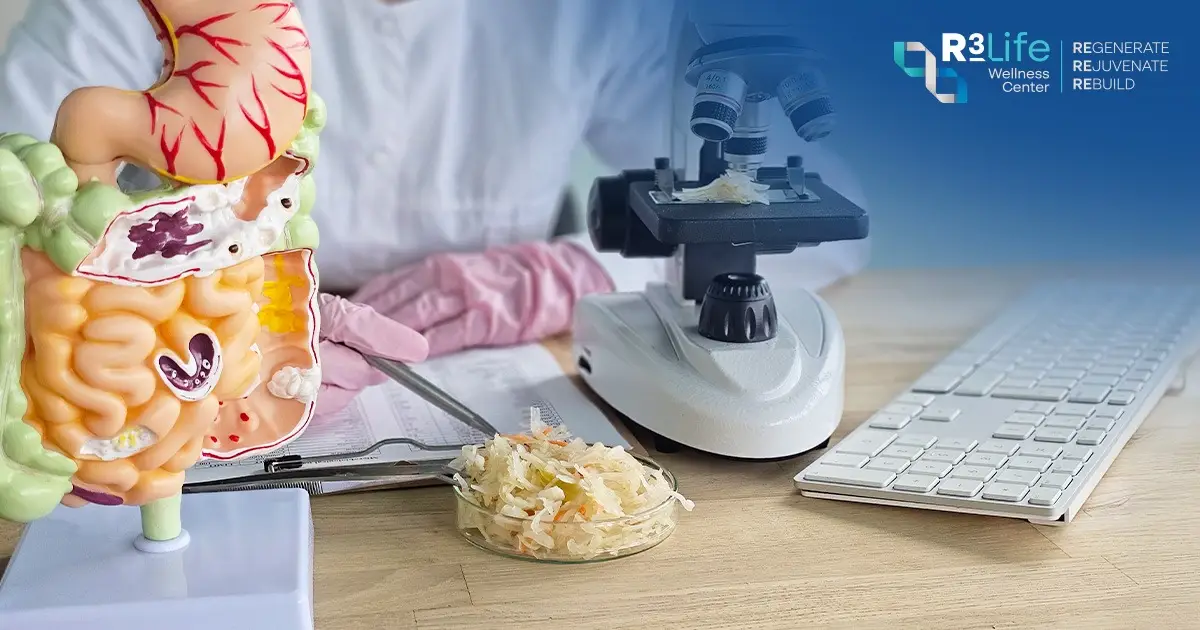
Today, AI and big data are becoming powerful tools in this field. Instead of relying on only a few variables, modern analytical systems can process large volumes of data and identify complex patterns that may not be visible through traditional methods.
Although clinical applications are still evolving, many experts believe that precision nutrition may become a key part of longevity medicine in the future.
The goal of future healthcare may not be to find “the best diet for everyone.”
It may be to discover what is most suitable for each individual.
Beyond Probiotics: The New Era of Gut Health Technology
For many years, gut health was closely associated with probiotics. But today, science is moving far beyond that.
Researchers are now focusing on multiple components that work together within the gut ecosystem. Gut health is not simply about adding one type of beneficial bacteria into the body.
The gut is not an empty room where we can simply place “good bacteria” and expect everything to be solved.
The gut is a living ecosystem. It communicates. It competes. It adapts. It depends on balance.
Key components in modern gut health include:
Probiotics
Probiotics are beneficial microorganisms that can support the balance of the gut microbiome. They remain one of the most recognized components of gut health.
Prebiotics
Prebiotics are nutrients that support the growth and activity of beneficial bacteria in the gut. They act like food for good microorganisms.
Postbiotics
Postbiotics are compounds produced through the activity of microorganisms. They are receiving increasing attention in gut health research.
Parabiotics
Parabiotics are microorganisms that have been processed so they can no longer divide, while still retaining cellular components that may help support the balance of the gut ecosystem.
The major trend today is that researchers are not only looking at one type of microorganism. They are studying how to support the balance of the whole system.
This is why the new era of gut health is often called Beyond Probiotics.
Gut health is evolving from a bacteria-focused concept into a more complete understanding of the entire microbiome ecosystem.
Why Longevity Medicine Is Paying Attention to the Microbiome
One of the main goals of longevity medicine is not simply to live longer. It is to live longer with better quality of life.
A longer life becomes more meaningful when the body has energy, the brain remains clear, the skin stays healthy, the immune system functions well, and daily life can still be lived with vitality.
Scientists are now studying how the microbiome may be connected to several systems in the body, including:
- Immune function
- Energy metabolism
- Skin health
- The gut-brain axis
- Inflammatory processes
- Nutrient absorption
- Gut barrier balance
While many areas of research are still developing, technological progress is helping us understand the role of the microbiome more clearly than ever before.
This is why microbiome science is becoming one of the most important areas to watch in future healthcare, preventive health, and healthy aging.
Supporting Gut Health Today: R3 Life Wellness Clinic’s Approach
Although microbiome technology is still evolving, supporting gut health today remains an important part of preventive wellness and long-term health.
At R3 Life Wellness Clinic, we see gut health as part of a broader personalized wellness approach.
Our gut health support includes Gut Zen Blend IV Therapy, an IV drip program featuring L-alanyl-L-glutamine peptide as a key ingredient, and ProFloraMax, developed under the concept of Tetrabiotics Innovation.
This approach combines multiple dimensions of microbiome support, including probiotics, prebiotics, postbiotics, and parabiotics, in one integrated concept.
These solutions are designed to support gut health as part of holistic wellness. However, individual needs can vary, and proper medical evaluation is recommended to determine the most appropriate approach for each person.
FAQ: Microbiome, Gut Health, and R3 Life Wellness Clinic
1. What is the microbiome?
The microbiome is the ecosystem of microorganisms that live inside and on the human body, especially in the gut. It includes bacteria, fungi, viruses, and other microbes. These microorganisms play roles in digestion, nutrient absorption, immune function, and overall body balance.
2. Are probiotics alone enough for gut health?
Probiotics are only one part of gut health. Today, the concept of gut health is moving into the era of Beyond Probiotics, which focuses on the entire microbiome ecosystem. This includes probiotics, prebiotics, postbiotics, and parabiotics to support gut balance from multiple angles.
3. What is Gut Zen Blend IV Therapy?
Gut Zen Blend IV Therapy is an IV drip service available at R3 Life Wellness Clinic. It is designed to support digestive wellness and internal recovery. Its key ingredient is L-alanyl-L-glutamine peptide, a stable form of glutamine suitable for intravenous administration.
4. How is ProFloraMax different from regular probiotics?
ProFloraMax is developed under the concept of Tetrabiotics Innovation, combining four key groups: probiotics, prebiotics, postbiotics, and parabiotics.
Unlike regular probiotics that mainly focus on adding beneficial microorganisms, ProFloraMax is designed to support the gut ecosystem in multiple dimensions, including beneficial bacteria, nutrients for good bacteria, compounds produced by microbial activity, and specific processed microbial components.
5. Can Gut Zen Blend IV Therapy be combined with ProFloraMax?
In general, both approaches may be part of a holistic gut health plan. Gut Zen Blend IV Therapy supports internal wellness through IV drip therapy, while ProFloraMax supports the gut ecosystem in daily life.
However, it is recommended to consult a doctor to assess suitability based on individual health status, personal history, and wellness goals.

 Insomnia: Why Sleep Quality Matters More Than You Think and How to Improve It