Stress Management: Relief vs. Real Recovery
Key Highlights
- Stress relief calms how you feel in the moment, while stress recovery is the deeper process of the body returning to balance.
- Chronic stress can keep cortisol and the nervous system activated even after the original stressor has passed.
- Over time, sustained stress may disrupt sleep, drain energy, affect mood, and place ongoing demands on the body.
- Evidence-based habits like quality sleep, movement, and connection are the foundation of genuine stress recovery.
- Where the body is depleted, targeted clinical support may complement lifestyle change rather than replace it.
Quick Summary
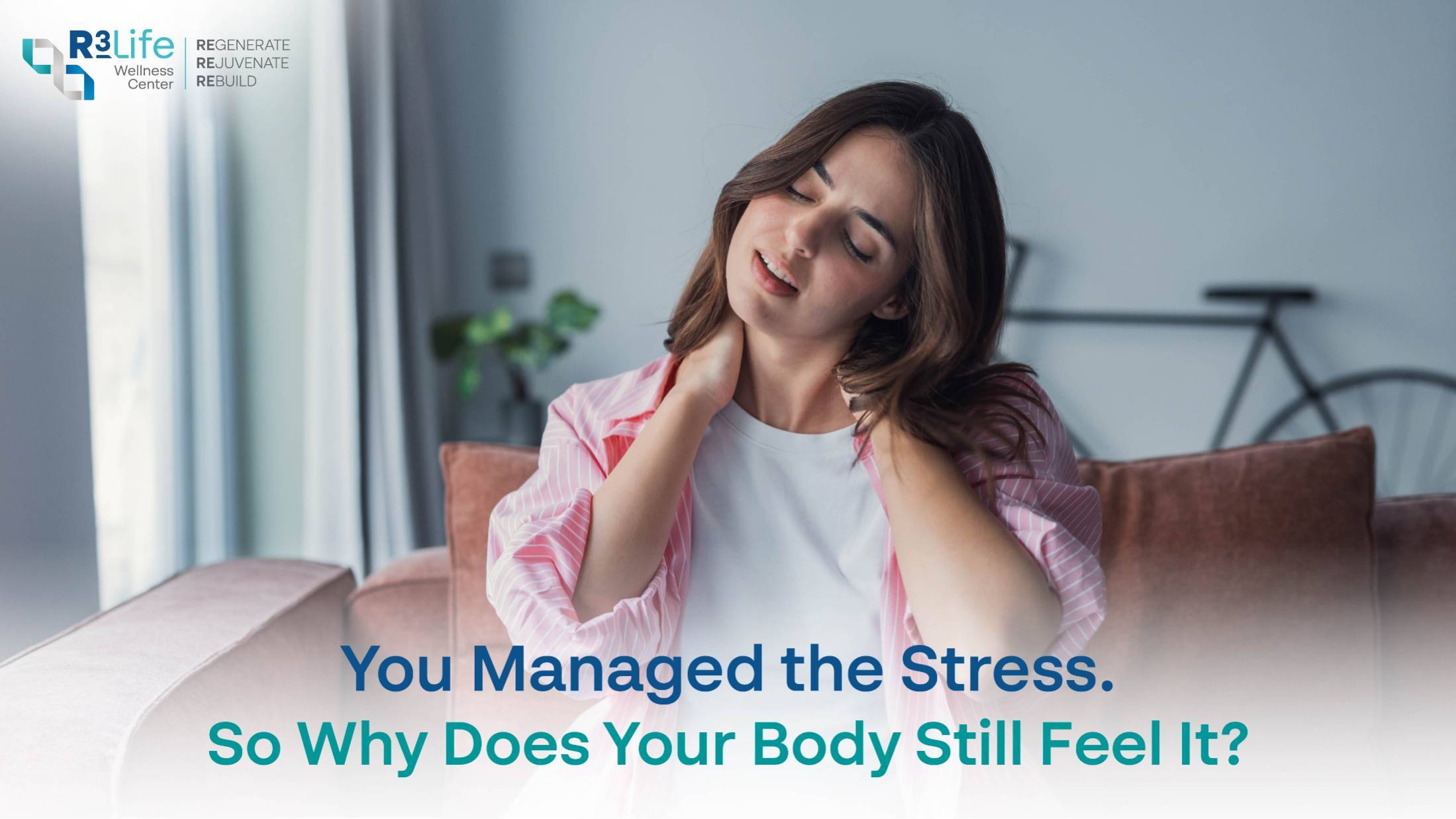
You took the walk, practiced the breathing, maybe even booked the holiday. The pressure eased, and yet your body still feels tired, tense, or somehow not quite reset. If that sounds familiar, you are not imagining it.
There is an important difference between feeling calmer and being fully recovered. Stress relief eases the moment. Stress recovery is what happens underneath, as your hormones, nervous system, and cellular resources return to baseline. The two do not always move at the same pace.
This article explains why the body can lag behind the mind after stress, what constant pressure does over time, and how to support real recovery rather than temporary relief.
The Difference Between Stress Relief and Stress Recovery
What Stress Relief Actually Does
Stress relief is anything that lowers the intensity of stress in the moment. It works, and it matters.
- A short walk, deep breathing, or a warm bath can calm the nervous system quickly.
- Talking to a friend or stepping away from a task can ease mental pressure.
- These strategies help you feel better, often within minutes.
The catch is that feeling better is not the same as being restored. Imagine someone caring for an unwell family member. A warm bath and a quiet cup of tea before bed will settle the nervous system, and they will feel calmer. But nothing has replaced the sleep they lost, and tomorrow the role resumes. Real recovery would take proper rest and genuine time away from caregiving. Stress relief helps you get through the moment. Recovery is what lets you regain your energy.
Why the Body Still Needs More After the Stressor Is Gone
When stress hits, your body shifts into a state of readiness. Coming back from that state takes time and resources, not just a change in mood.
Even after you feel calmer, stress hormones can remain elevated, sleep can stay disrupted, and the body's reserves can run low. Recovery is a physical process, and it often takes longer than relief. That gap is why you can manage the stress and still feel it in your body.
What Optimized Health Really Means Under Sustained Pressure
Optimized health is not about eliminating stress, which is neither possible nor desirable. It is about building the capacity to recover well.
- A resilient body absorbs pressure and returns to balance efficiently.
- When recovery keeps falling behind, small stresses quietly accumulate.
Supporting recovery, rather than only chasing relief, is what keeps health optimized over the long term.
What Chronic Stress Does to the Body Over Time
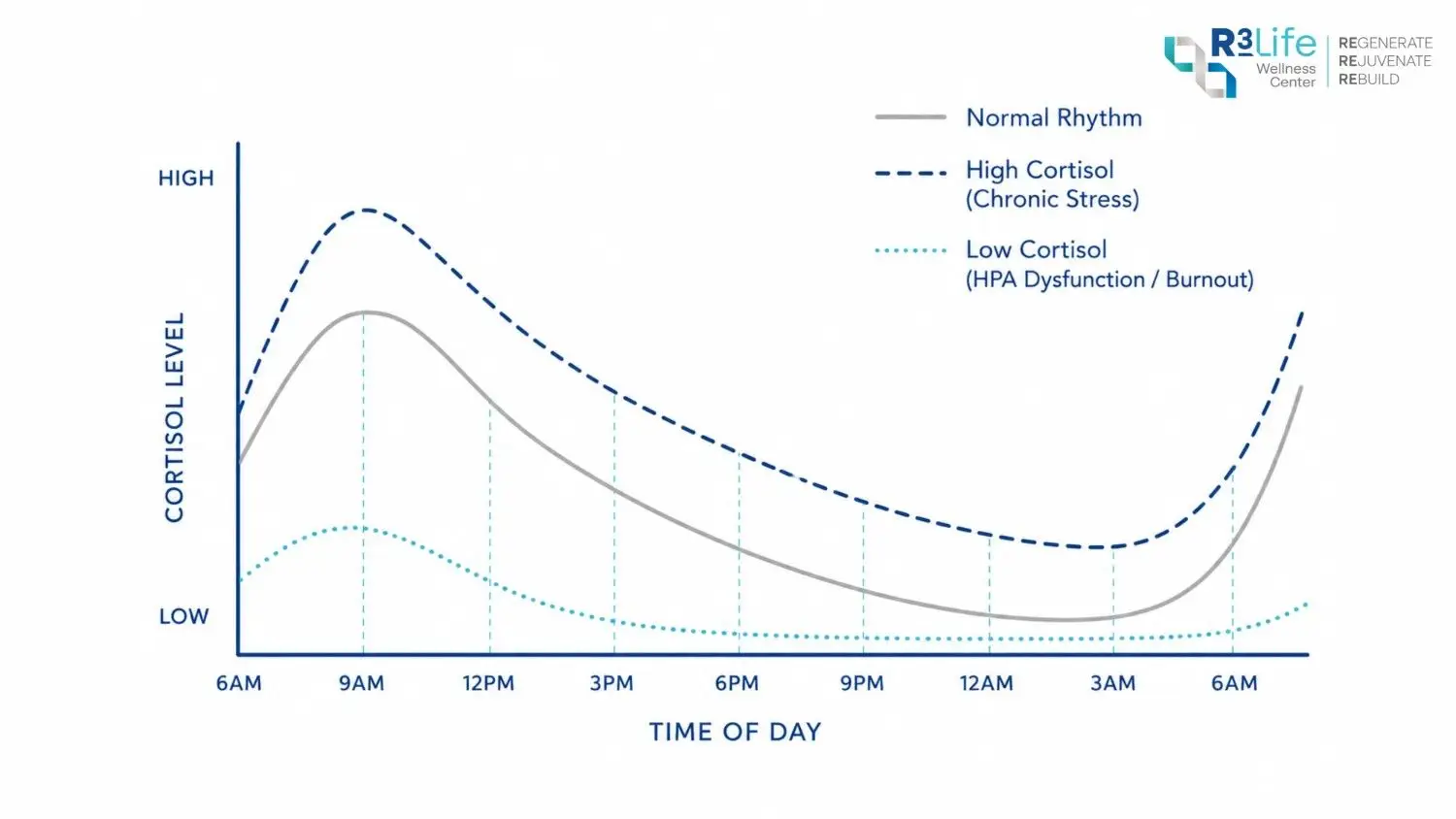
The Cortisol Cycle That Doesn't Switch Off
Cortisol is often called the “stress hormone”, but it is really a survival tool. Understanding how it works explains a lot.
When your brain senses a demand, it signals the release of cortisol, which mobilizes energy, sharpens focus, and temporarily dials down less urgent functions. Normally, once the demand passes, cortisol falls and the body relaxes.
With ongoing pressure, the stress-response system may have fewer opportunities to fully recover. Rather than cortisol simply staying “on,” its normal daily pattern and responsiveness can become disrupted, leaving the body more easily activated and less able to return to a restorative state.
How Stress Depletes Key Nutrients and Cellular Resources
Running the body in a prolonged state of readiness carries a cost.
- Sustained stress raises the body's metabolic demands and can increase oxidative stress, the wear-and-tear process that happens at the cellular level.
- Disrupted sleep, appetite, digestion, and everyday eating patterns, making it harder to maintain consistent nutrient intake and support the body’s normal recovery processes.
- Disrupted sleep and appetite can make it harder to take in and use nutrients well.
- Over time, this ongoing demand can leave people feeling depleted, even when nothing acute is happening.
The result is a body that is quietly working harder just to maintain balance.
The Physical Signs That Stress Has Gone Too Far
Chronic stress often shows up in the body before we consciously acknowledge it.
- Fatigue that rest does not seem to fix
- Trouble falling or staying asleep
- Frequent minor illnesses or slow recovery
- Muscle tension, headaches, or digestive discomfort
- Low mood, irritability, or difficulty concentrating
Over time, sustained stress is also associated with changes in blood pressure, blood sugar regulation, immune function, and mental health. This is not a reason to worry about every stressful week, but it is a reason to take persistent stress seriously. Noticing these signs early is an opportunity to support recovery before the load builds further.
How to Manage Stress — What Actually Works
The Evidence-Based Practices Most People Underestimate
When people think about managing stress, they often reach for quick fixes. The most powerful tools are the ones that rebuild the body's capacity.
- Sleep is the single most important recovery process, and protecting it pays off more than almost anything else.
- Regular movement helps discharge tension and regulates stress hormones over time.
- Genuine social connection and time in nature are consistently linked with lower stress.
- Slower breathing and mindfulness practices activate the body's natural calming response.
Knowing how to manage stress is less about doing more and more about doing the fundamentals consistently.
When Lifestyle Interventions Reach Their Limit
These practices form the foundation, but not everyone can apply them fully, and some circumstances cannot simply be removed.
Consider someone running a business, with genuine constraints on how many hours they can sleep. They can improve what happens in those hours, protecting sleep quality and deep sleep, but they cannot manufacture more of them. Others live with sources of stress they are not free to walk away from, whether that is caregiving, financial pressure, or the demands of the work itself.
- When stress has been intense or prolonged, the body may need extra support to rebuild reserves while new habits take hold.
- Persistent symptoms can also point to underlying issues that deserve medical attention.
In these situations, professional assessment and targeted support can help, working alongside lifestyle change rather than replacing it.
Supporting the Body's Recovery From Chronic Stress
Why Clinical Support Complements Lifestyle Change
Lifestyle habits do the heavy lifting in stress recovery, but there are moments when the body benefits from additional help.
When someone is genuinely depleted, replenishing nutrients and supporting cellular energy can make it easier to sleep, function, and stay consistent with healthy routines. The aim is to support the body's own recovery, not to override the need for rest and balance.
This is why clinical support should always sit on top of the fundamentals, never in place of them.
What a Stress Recovery Protocol Looks Like at R3 Life Wellness Center
At R3 Life Wellness Center, stress recovery begins with understanding what is actually happening in your body.
- A consultation and relevant health screening help identify signs of depletion or imbalance before any plan is made.
- Based on that picture, targeted IV nutrient therapies may be used to support recovery. Options can include Stress OxiShield & Relief IV Drip, designed to support a body carrying accumulated stress; Nutri Life IV Drip, which helps replenish essential vitamins while supporting relaxation and sleep; and Brain Health IV Drip, aimed at mental clarity and focus.
- For those seeking cellular-level support, NAD+ DNA Rebuild may help replenish NAD+, one of several factors involved in energy production and cellular repair.
The drips above are examples rather than a menu. R3 Life Wellness Center offers a wide range of IV formulations, each developed to support a different concern, and part of the consultation is working out which, if any, suits your situation. A physician reviews your assessment, your health history, and the realities of your daily life, then adjusts the approach accordingly. All treatments are delivered by registered nurses and the medical team, and are framed as complements to lifestyle change. Outcomes vary between individuals, and the emphasis stays on supporting your body's own recovery.
Frequently Asked Questions about Stress Management
Q: What is the difference between stress relief and stress recovery?
A: Stress relief eases how you feel in the moment, such as through breathing or a short break. Stress recovery is the deeper physical process of your hormones, nervous system, and energy returning to balance, which can take longer.
Q: Can chronic stress cause physical symptoms even when I feel calm?
A: Yes. The body can stay in a state of low-grade activation after the mind has settled, which may show up as fatigue, poor sleep, tension, or getting sick more easily. One measurable sign is heart rate variability (HRV), the small beat-to-beat changes in your heart rhythm that reflect how well your nervous system shifts between activity and recovery. Lower HRV is associated with sustained stress, and many people now track it through wearable devices, sometimes noticing it stays low even on days they feel relaxed.
Q: What is the most effective way to manage stress?
A: There is no single fix, but protecting sleep, moving regularly, staying connected, and practicing slower breathing are among the most effective and most underused strategies. Consistency matters more than intensity.
Q: Do IV nutrient therapies replace healthy habits for stress?
A: No. They are best viewed as a complement to lifestyle change, not a substitute. Where the body is depleted, targeted support may help you recover and stay consistent, but rest, sleep, and balance remain essential.
Q: When should I seek professional help for stress?
A: If stress feels constant, symptoms persist despite lifestyle changes, or daily life is affected, it is worth speaking with a professional. Persistent symptoms can also signal underlying issues that deserve assessment.
Conclusion
Managing stress is not only about calming the moment. It is about giving your body what it needs to truly recover. When relief and recovery fall out of step, the body can keep carrying the load long after the mind has moved on, and understanding that difference is the first step toward feeling genuinely restored.
If you feel worn down by ongoing stress and want to support your body's recovery, the team at R3 Life Wellness Center can help you build a personalized plan. To learn more or arrange a consultation, visit https://r3lifewellness.com or message R3 Life Wellness Center on WhatsApp at +66 88 689 8888.

 Longevity Monitoring: The Future of Health Beyond Annual Checkups