Thanksgiving Food Coma and What Overeating Does to Your Body
Key Highlights
- A food coma is the heavy, sleepy feeling after a very large meal, and meal size matters more than any single food on the plate.
- Fullness signals from the stomach and gut hormones can take up to 30 minutes to register, so eating quickly at a long meal often overshoots.
- Turkey contains about as much tryptophan as chicken or beef, so post-meal sleepiness more likely comes from meal size, refined carbohydrates and alcohol.
- A US study found that average weight gain between Thanksgiving and New Year was about 0.37 kg and had not been lost a year later.
Quick Summary
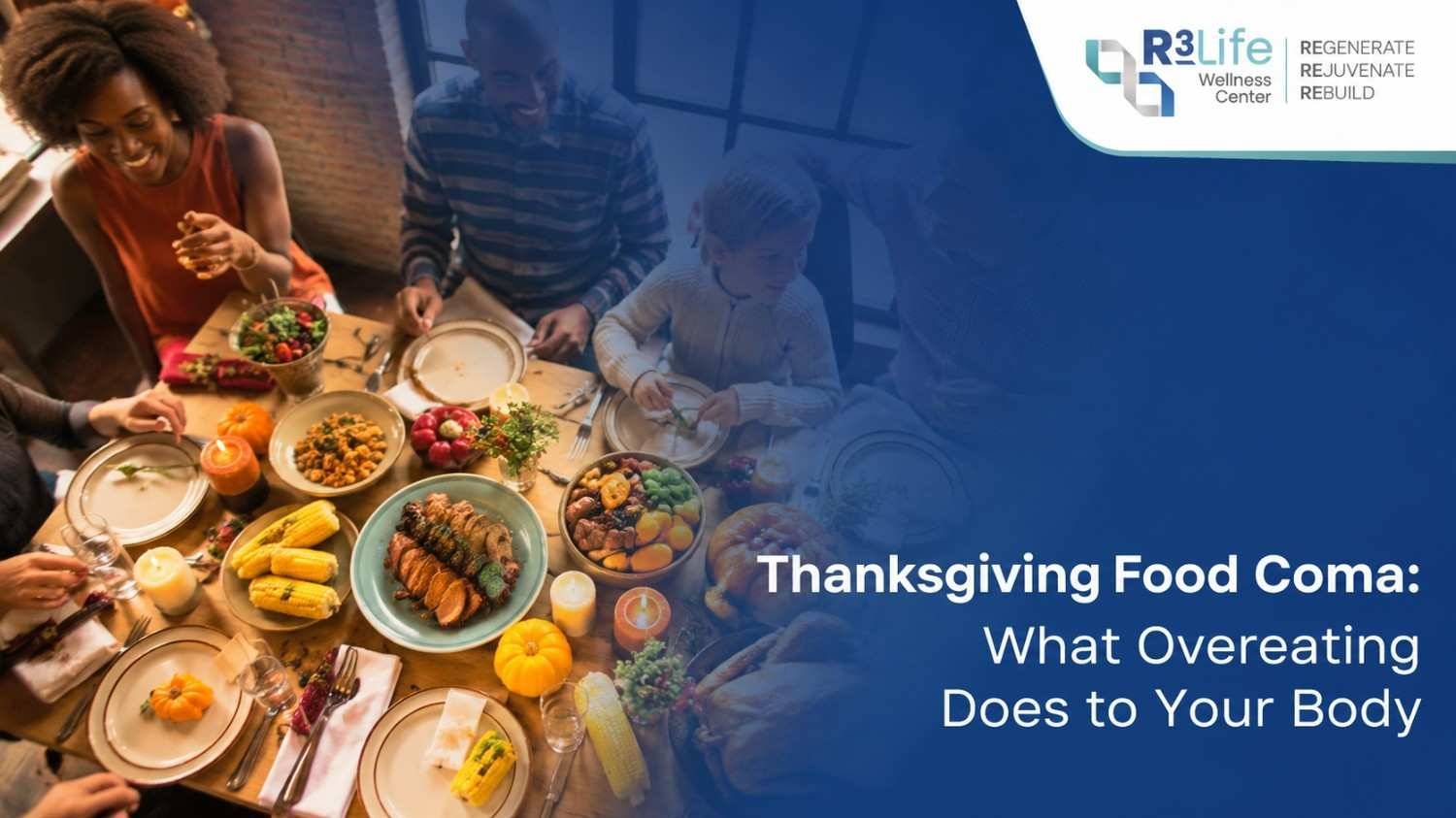
Thanksgiving falls on November 26, 2026, and for many people it means one long, generous meal. A food coma, the drowsy, overfull feeling that often follows, is a normal response to eating more than the body needs at one sitting.
This guide explains what overeating does in the hours after, why the following weeks matter more, and when discomfort needs a doctor. Read on for a calm, grounded look at how the body copes.
Why a Big Holiday Meal Is Easy to Overeat
Fullness builds gradually. As food arrives, the stomach muscles stretch to make room, and nerves and hormones such as cholecystokinin (CCK) and leptin signal satiety to the brain.
According to Cleveland Clinic, these signals can take up to 30 minutes to register. A long meal with second helpings easily outpaces that delay; eating slowly lets fullness catch up.
What Happens in Your Body During a Food Coma
Most effects of a very large meal settle as digestion moves along.
Fullness and Reflux
A very full stomach puts pressure on the lower esophageal sphincter, the muscle ring that keeps stomach contents out of the esophagus. Mayo Clinic notes that large meals and late eating can aggravate reflux, and heartburn often feels worse lying down, so staying upright for a few hours may help.
The Post-Meal Slump and the Turkey Question
Harvard Health notes that a typical serving of turkey contains about as much tryptophan as chicken or beef, so meal size, refined carbohydrates and alcohol are likelier drivers of the slump. In a 2020 University of Bath study, 14 healthy men who ate until they could not eat more had blood sugar no higher than after a normal meal and only slightly higher blood fats, yet felt sleepy and lethargic afterward.
Salt, Alcohol and Gout
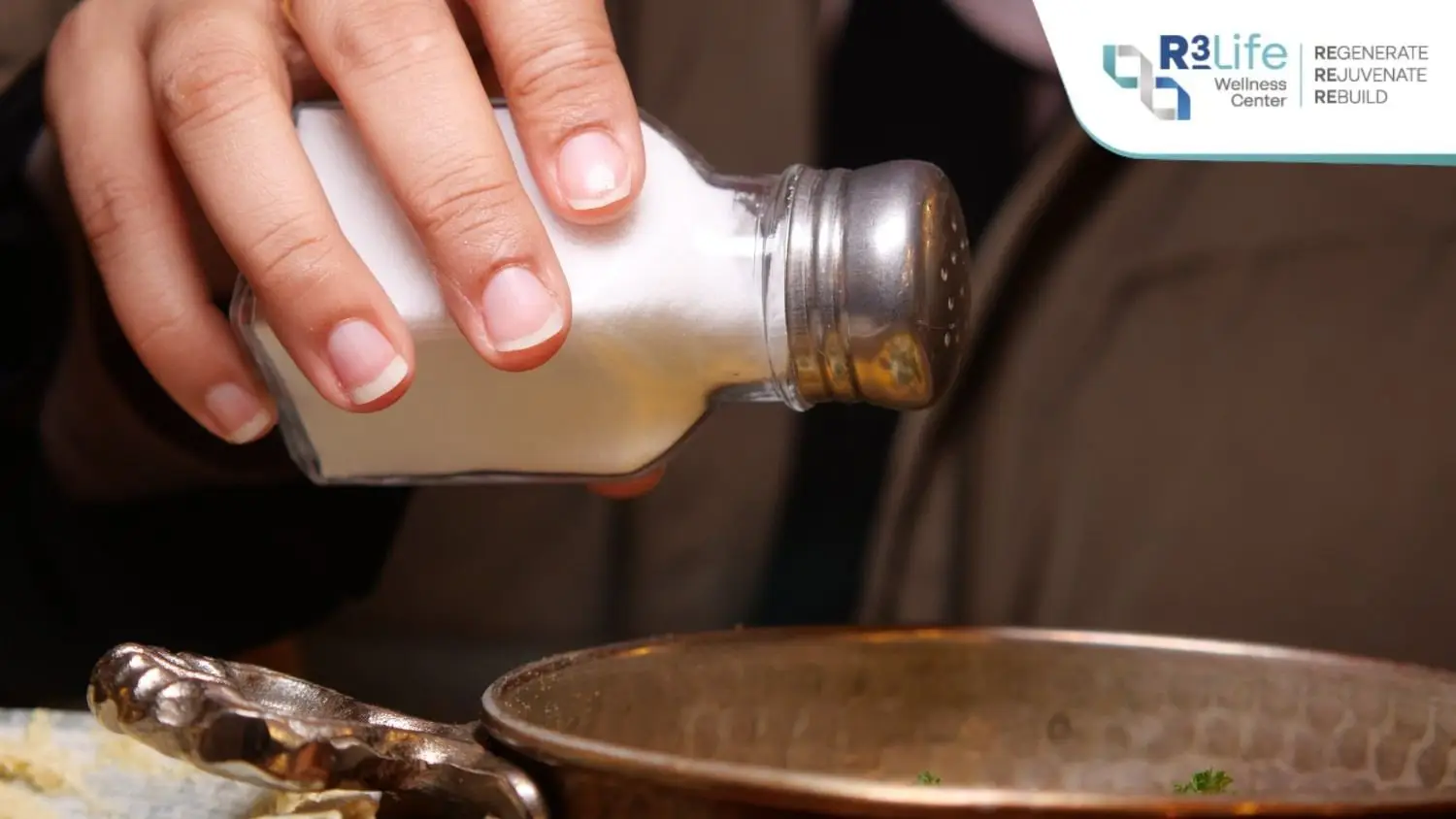
Salty dishes can lead the body to hold on to extra water, which may leave some people feeling bloated or puffy the next morning. Alcohol, by contrast, increases urine output, so water alongside it helps. For people with gout, Harvard Health notes that excess alcohol and purine-rich foods, which the body breaks down into uric acid, are thought to trigger flares in some people.
What to Do After Overeating and Why the Weeks Ahead Matter More
Eating patterns over several weeks matter more than one meal. A US National Institutes of Health study in the New England Journal of Medicine (2000) found average holiday weight gain between Thanksgiving and New Year of about 0.37 kg (0.8 lb), which on average had not been lost a year later.
For the day after, Cleveland Clinic suggests:
- Return to your usual meals and portions.
- Drink water through the day.
- Take a gentle walk or do light movement you enjoy.
- Treat it as one meal, not something to make up for.
A 2022 meta-analysis in Sports Medicine also found that short bouts of light walking, compared with uninterrupted sitting, lowered post-meal blood sugar and insulin.
When Bloating After Eating Keeps Coming Back
Occasional bloating after eating usually passes. Mayo Clinic advises seeing a doctor for:
- Heartburn more than twice a week
- Trouble swallowing
- Persistent nausea or vomiting
- Unintended weight loss
- Indigestion lasting more than two weeks
Vomiting blood, black or tarry stools, or chest pain or pressure, especially with shortness of breath or pain spreading to the arm or jaw, need urgent care at a hospital first.
At R3 Life Wellness Center, clients with recurring digestive discomfort start with a physician assessment. Where appropriate, the physician may suggest the Gut Health Set: GutZen Blend, an IV drip with L-alanyl-L-glutamine that supports repair of the intestinal lining, followed by ProFloraMax, a clinic supplement that supports digestive comfort and regular bowel movements. It is meant for recurring discomfort, not one heavy meal. Outcomes differ among individuals.
ProFloraMax is not recommended for anyone under 18. Pregnant or breastfeeding women, people with chronic disease or a weakened immune system, and anyone taking medication should ask their doctor first.
Frequently Asked Questions About Food Coma
Q: Does turkey make you sleepy?
A: Turkey alone is unlikely to make you sleepy, since a typical serving contains about as much tryptophan as chicken or beef. The slump often called a food coma is more likely linked to meal size, refined carbohydrates and alcohol.
Q: What should I do after overeating?
A: Return to your usual eating pattern at the next meal, drink water and take a gentle walk if you feel up to it. There is no need to make up for one meal.
Q: Does one big meal cause holiday weight gain?
A: One big meal is unlikely to have a lasting effect on body weight. The small average gain seen over the holidays builds across weeks of eating, so returning to your usual routine is the most useful step.
Conclusion
A food coma after Thanksgiving is the body's normal response to a very large meal: a stretched stomach, delayed fullness signals and the effects of salt, alcohol and rich food. It usually passes within a day, and the weeks that follow matter more than one dinner.
Care at R3 Life Wellness Center is led by a physician board-certified in anti-aging and regenerative medicine (ABAARM).
If bloating after eating keeps coming back, you are welcome to book an assessment at r3lifewellness.com or on WhatsApp at +66 88 689 8888.

 Health Is Contagious: How Your Social Circle Can Shape Health and Longevity