Health Tracking Anxiety: When Your Health Score Becomes Too Much | R3 Life Wellness
Your Health Is More Than Your Health Score: When Health Tracking Becomes Too Much
5 Things to Know About Health Tracking, Wearables and Your Wellbeing
- Wearable health devices can reveal useful trends in sleep, heart rate, HRV, physical activity and recovery that may otherwise be difficult to notice.
- Data from a smartwatch, sleep tracker or smart ring is not a medical diagnosis, and accuracy varies depending on the device, algorithm and metric being measured.
- Becoming overly focused on achieving “perfect” sleep data has been described as orthosomnia, an emerging concern in sleep medicine.
- A single low sleep score or HRV reading rarely tells the whole story. Trends, symptoms, lifestyle and appropriate medical data should be considered together.
- The goal of preventive medicine and longevity is not to measure everything. It is to understand what is worth measuring, when it matters, and what you should actually do with the information.
You Wake Up Feeling Great. Your Sleep Score Says 58. Did You Actually Sleep Badly?
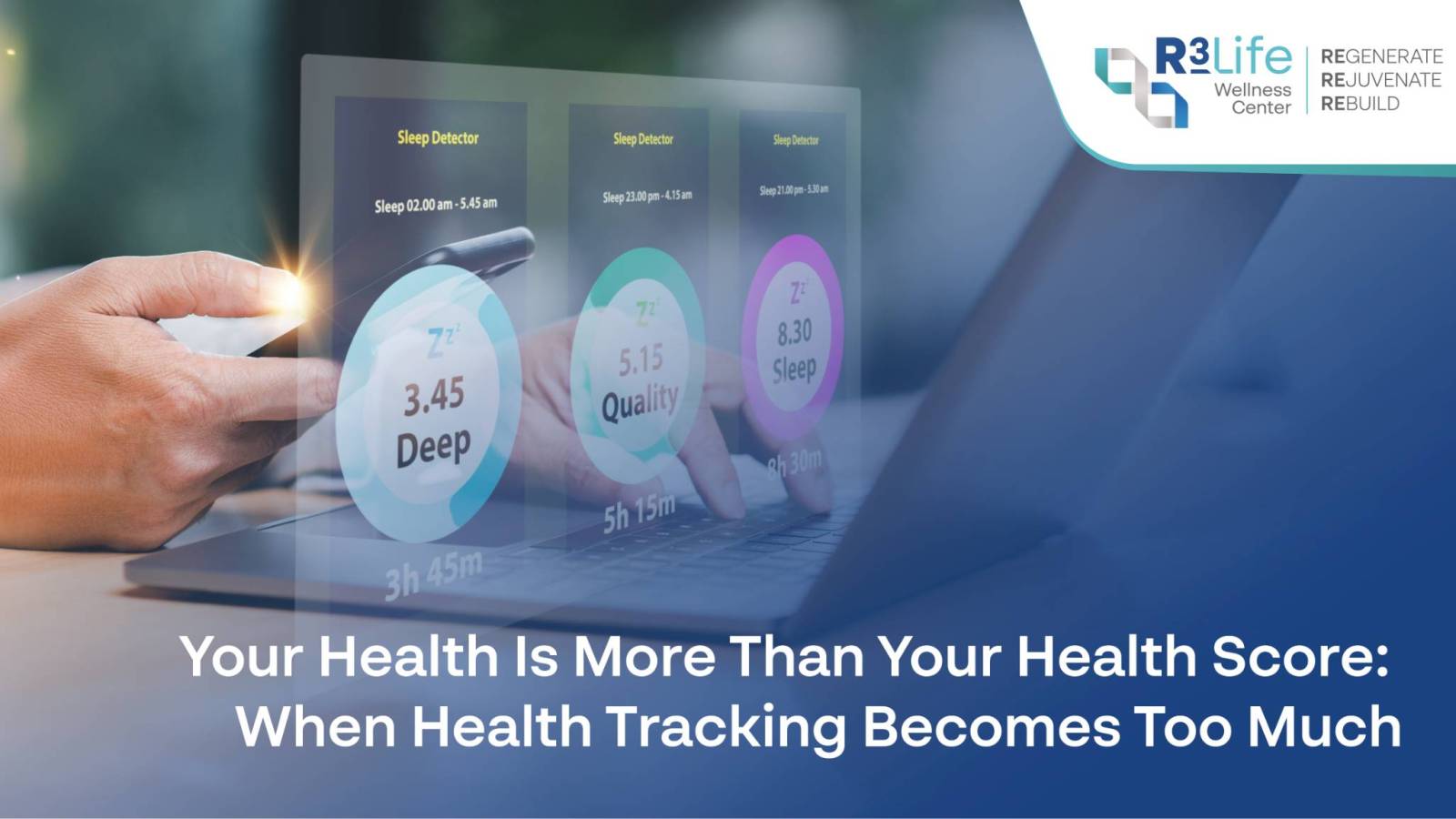
Imagine waking up feeling refreshed. Before getting out of bed, you check your smartwatch or smart ring. Sleep Score: 58 — Poor. Suddenly, the way you remember last night's sleep begins to change.
Perhaps your HRV is lower than usual, even though you feel perfectly fine. Now you wonder whether you should exercise or take a recovery day.
Or your smartwatch reports high stress. You did not feel particularly stressed five minutes ago, but now you start asking yourself: “Am I more stressed than I realized?” Welcome to one of the paradoxes of modern health optimization.
We have never had access to this much personal health data. Apple Watch, Garmin, Oura Ring, WHOOP and other wearable health devices can continuously transform aspects of our bodies into numbers, graphs and scores.
The question is no longer whether health technology can be useful. It can. The more interesting question is: At what point does understanding your health turn into trying to control it through numbers?
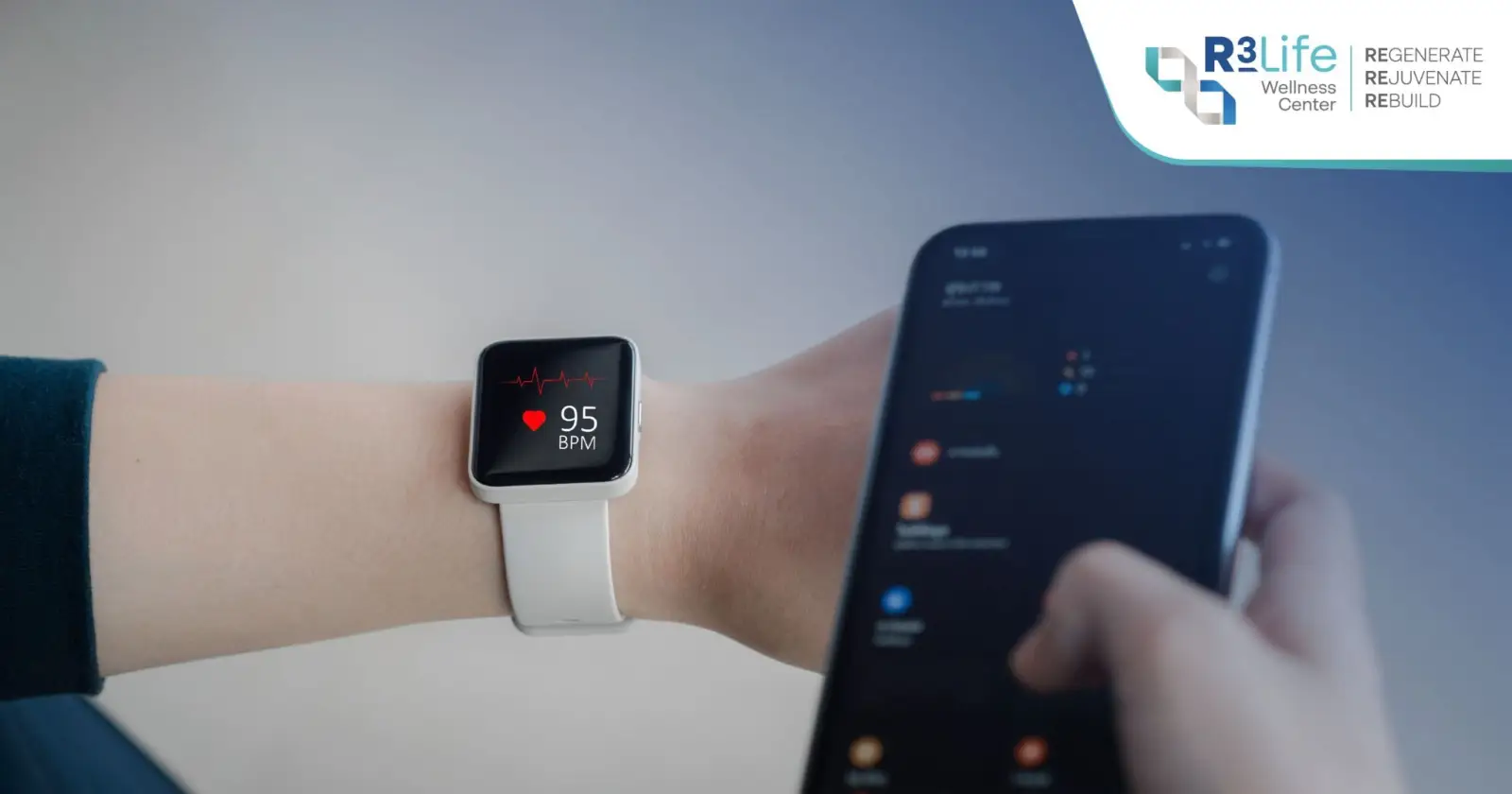
Wearable Health Devices Can Tell Us More But More Data Does Not Always Mean More Understanding
Modern health tracking devices can provide information about metrics such as:
- Heart rate and resting heart rate
- Heart rate variability (HRV)
- Sleep duration
- Estimated sleep stages
- Respiratory rate
- Physical activity
- Recovery and stress estimates
Used appropriately, these data can help reveal patterns.
- How does your sleep change during stressful weeks?
- What happens to your resting heart rate after alcohol?
- Does regular exercise appear to influence your sleep or recovery?
How does your HRV trend when you are travelling, working long hours or recovering from intense training? This is where wearable health data can be genuinely valuable: not necessarily as an answer, but as another source of information about patterns over time.
The problem begins when information becomes judgment.
Consumer wearables are not equivalent to clinical diagnostic tools. The American Academy of Sleep Medicine has cautioned that consumer sleep technology should not replace validated clinical evaluation for the diagnosis or treatment of sleep disorders. Accuracy can also vary depending on the device, sensor, algorithm and health metric being measured.
So a sleep score of 58 does not mean you “failed” at sleeping.
And one unusually low HRV reading does not provide a complete assessment of your health.
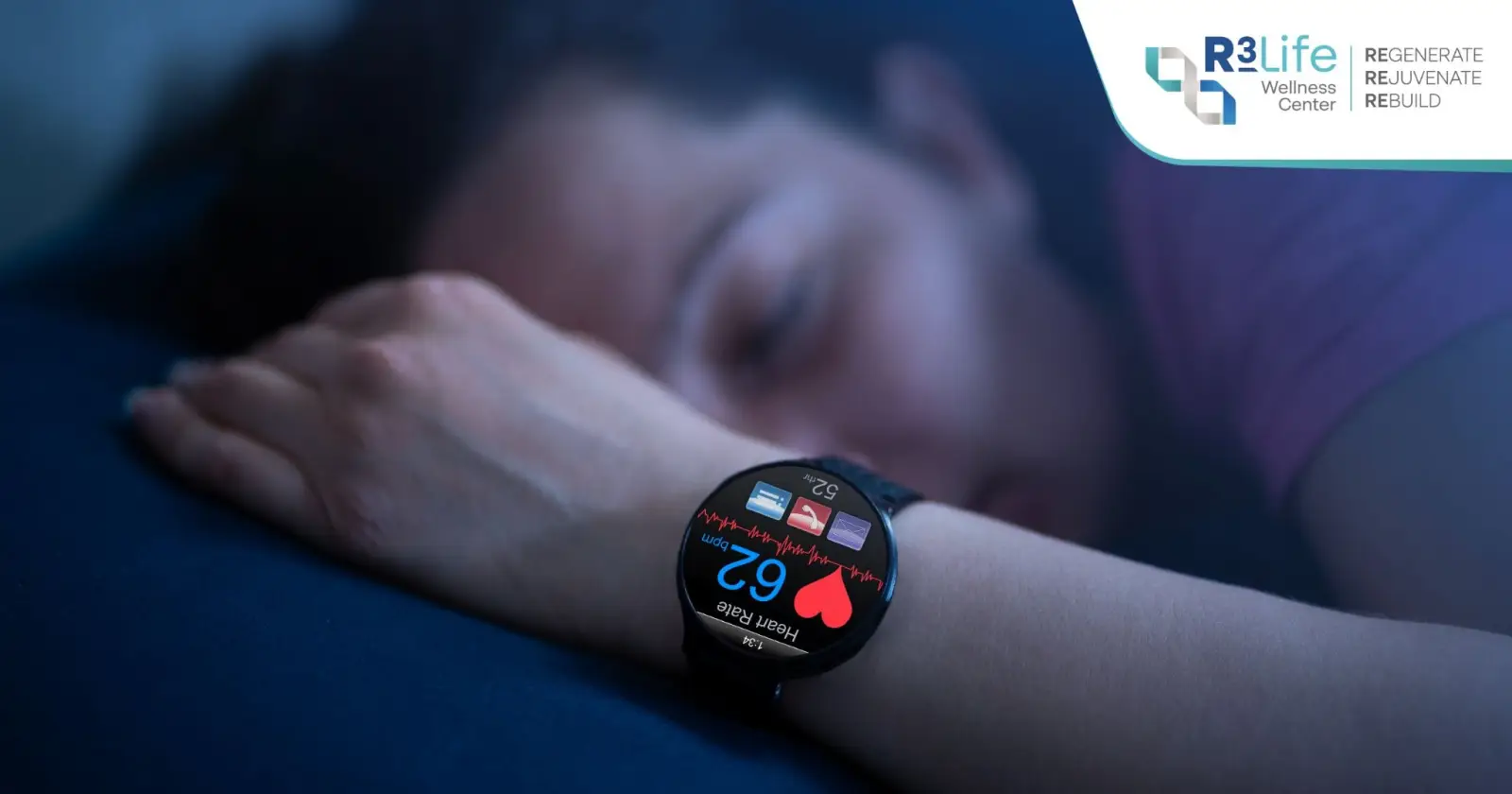
Can Sleep Trackers Actually Make Sleep Worse? There is an interesting term in sleep medicine:
The term orthosomnia was introduced to describe people who become preoccupied with improving or perfecting their sleep data from wearable sleep trackers.
Instead of waking up and asking: “Do I feel rested today?”
the question becomes: “Why didn't I get enough deep sleep?” Or: “How can I get my sleep score above 90 tonight?”
The original clinical observations describing orthosomnia suggested that some people may become increasingly focused on optimizing wearable-generated sleep data, sometimes despite differences between what their device reports and how they actually experience their sleep.
Subsequent research has continued to investigate the relationship between sleep tracking, orthosomnia-related behaviors and insomnia symptoms.
Importantly, this does not mean that sleep trackers cause insomnia or that using a wearable is inherently unhealthy.
The more useful question is: Are you using the data to understand your body, or are you allowing the data to decide how you should feel about your body?
Why Can One Number Change the Way We Feel?
Human beings do not experience health through physiological signals alone. Our expectations, attention and interpretation of information can also influence how we perceive physical experiences. One related concept is the nocebo effect, in which negative expectations can contribute to negative symptoms or experiences.
Research examining nocebo responses has found associations between negative expectations, anxiety and the way symptoms are experienced. That does not mean seeing a poor sleep score automatically creates a nocebo effect. But it highlights something increasingly important in the age of digital health: Health data does not exist separately from the person reading it. A number can inform us. But it can also worry us, reassure us, change our behavior or alter how closely we monitor sensations that we might previously have ignored. As the amount of personal health data increases, health data literacy becomes increasingly important.
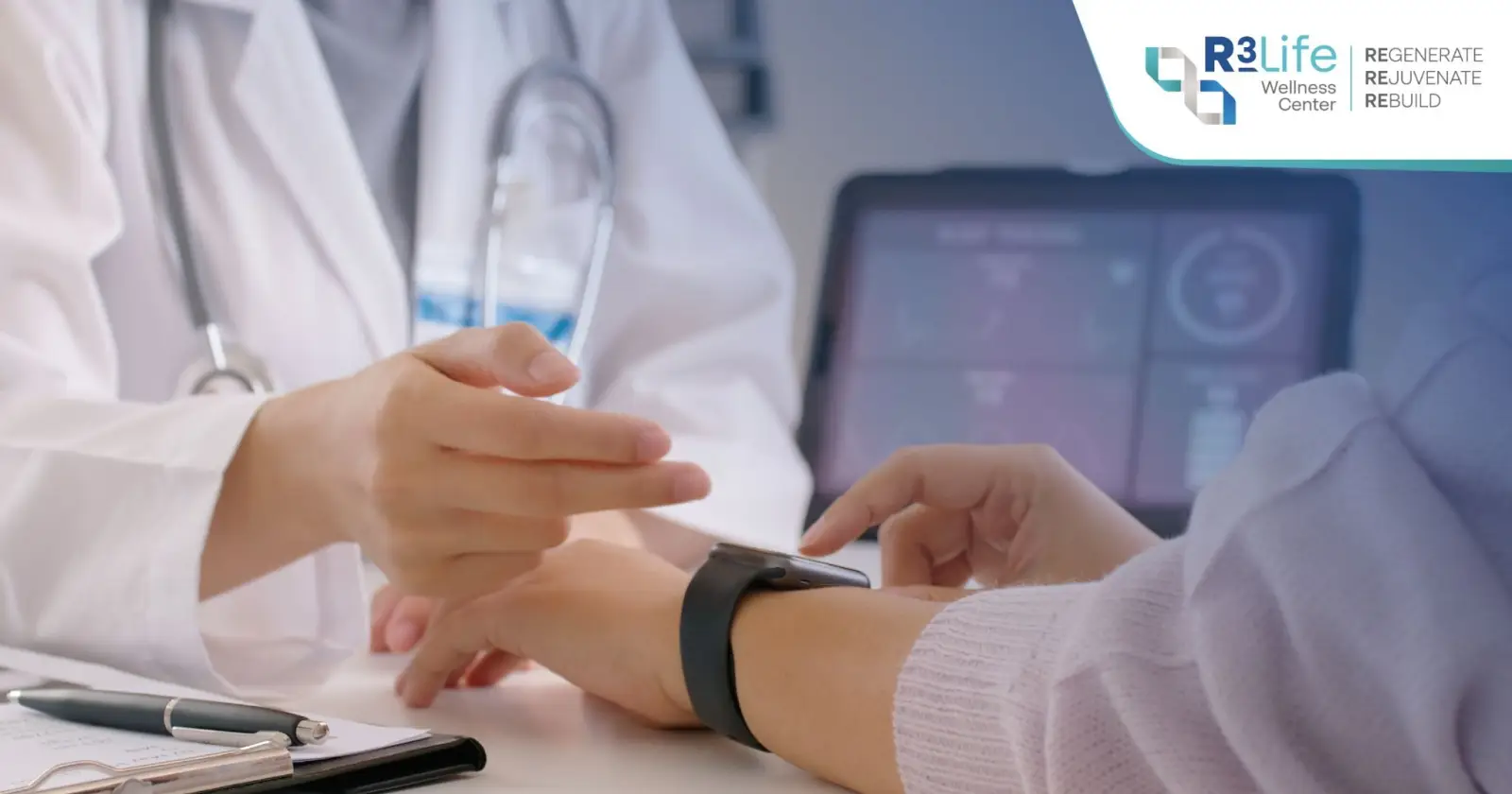
Preventive Medicine Is Not About Measuring Everything
The modern longevity and preventive medicine landscape gives us access to an extraordinary amount of information. Wearable devices can track us every day. Medical testing can assess biomarkers related to metabolic health, cardiovascular risk, hormones, micronutrients and other aspects of physiology when clinically appropriate. But having the largest possible collection of health data does not necessarily mean having the best health strategy.
Instead of continually asking: “What else can I measure?”
there may be better questions:
- Which measurements are actually relevant to me?
- Is this metric clinically meaningful?
- Should I react to one result or look at the trend over time?
- Does the data correspond with how I feel and function?
- Will knowing this number actually change what I do next?
Because if we measure everything without knowing how the information should influence a decision, we may simply be accumulating health data rather than health insight.
Data + Body Awareness + Medical Interpretation
At R3 Life Wellness, we believe technology, diagnostics and health data can play an important role in the future of preventive medicine and healthy longevity. But data should help us understand the body, not turn everyday health into a competition against ourselves.
Sometimes your wearable may detect a pattern before you notice anything unusual.
Sometimes your body may be telling you something your wearable cannot measure.
And sometimes a number is simply a number that needs context.
A more balanced approach brings together: Objective Data + Subjective Experience + Medical Interpretation
Health metrics can then be considered alongside symptoms, medical history, lifestyle, behavior and individual health goals rather than interpreted in isolation. Because the goal of longevity should not be to achieve a perfect health score. The goal is to build a body and mind that allows you to live well for as long as possible.
Your Health Is More Than Your Health Score. Listen to technology enough to learn something about yourself. But listen to yourself enough that technology does not become the definition of how healthy you feel.
If you already have health data, wearable reports or medical test results but are unsure what they actually mean for you, you can bring them to a consultation at R3 Life Wellness in Bangkok. Our medical team can help put individual numbers into context and identify which information may actually be relevant to your preventive health and longevity plan.
 Are You Still Hungover From Last Night?