Immunosenescence: When the Immune System Ages
Key Highlights
- Immunosenescence is the gradual weakening of immune function with age. It goes beyond simply getting more infections.
- NK cells, the immune system's frontline responders, can still recognize threats as they age but progressively lose the ability to act on what they find.
- When NK cells stop working properly, senescent cells (sometimes called zombie cells) accumulate unchecked, accelerating aging from within.
- An aging immune system contributes to cancer risk and accelerates systemic aging, not just an increase in how often you get sick.
- NK cell expansion therapy rebuilds immune reserves that age and demanding lifestyles quietly deplete, offering a proactive approach before symptoms emerge.
Quick Summary
You probably know the general story of immune decline. You get older, your immune system gets weaker, you catch things more easily and take longer to shake them off. That much is true.
But the more unsettling part is more specific than that.
The issue is not that aging immune cells disappear. Many of them are still there, still patrolling, still capable of identifying exactly what needs to be dealt with. The problem is what happens next — or rather, what does not happen. The cell finds the threat. It recognizes it clearly. And then it cannot act on it.
It is the biological equivalent of a security system that detects the intruder, triggers the alarm, and then does nothing else.
This article explains the mechanism behind that failure, why it matters well beyond getting more colds, and what proactive immune support actually looks like.
What Is Immunosenescence?
Immunosenescence is the technical name for the slow but constant decline in immune function that comes with age. It involves measurable changes in how immune cells are structured, how they respond to threats, and how effectively they clear the body of damaged or dangerous cells. It is not a sudden event but a slow process, and it begins earlier than most people expect.
How the Immune System Changes as We Age
Several changes occur in the aging immune system:
- The thymus, an organ behind the breastbone where T cells mature and become active, gradually shrinks — reducing the supply of new immune cells ready to respond to unfamiliar threats
- The balance between immune cell populations shifts, with fewer functional cells available and more that have become exhausted or senescent
- Background inflammation increases even without an active infection, a state researchers call inflammaging
Why Immune Decline Is About More Than Getting More Colds
The visible consequences of immune decline, including more frequent infections and slower recovery, are only part of the picture. The more significant consequence is reduced immune surveillance: the immune system's capacity to find and eliminate cells that have become cancerous or that have stopped dividing but are causing harm to surrounding tissue. When this surveillance fails, those cells accumulate. The following section explains exactly how that happens.
The NK Cell Problem: Recognition Without Action
What NK Cells Are Designed to Do
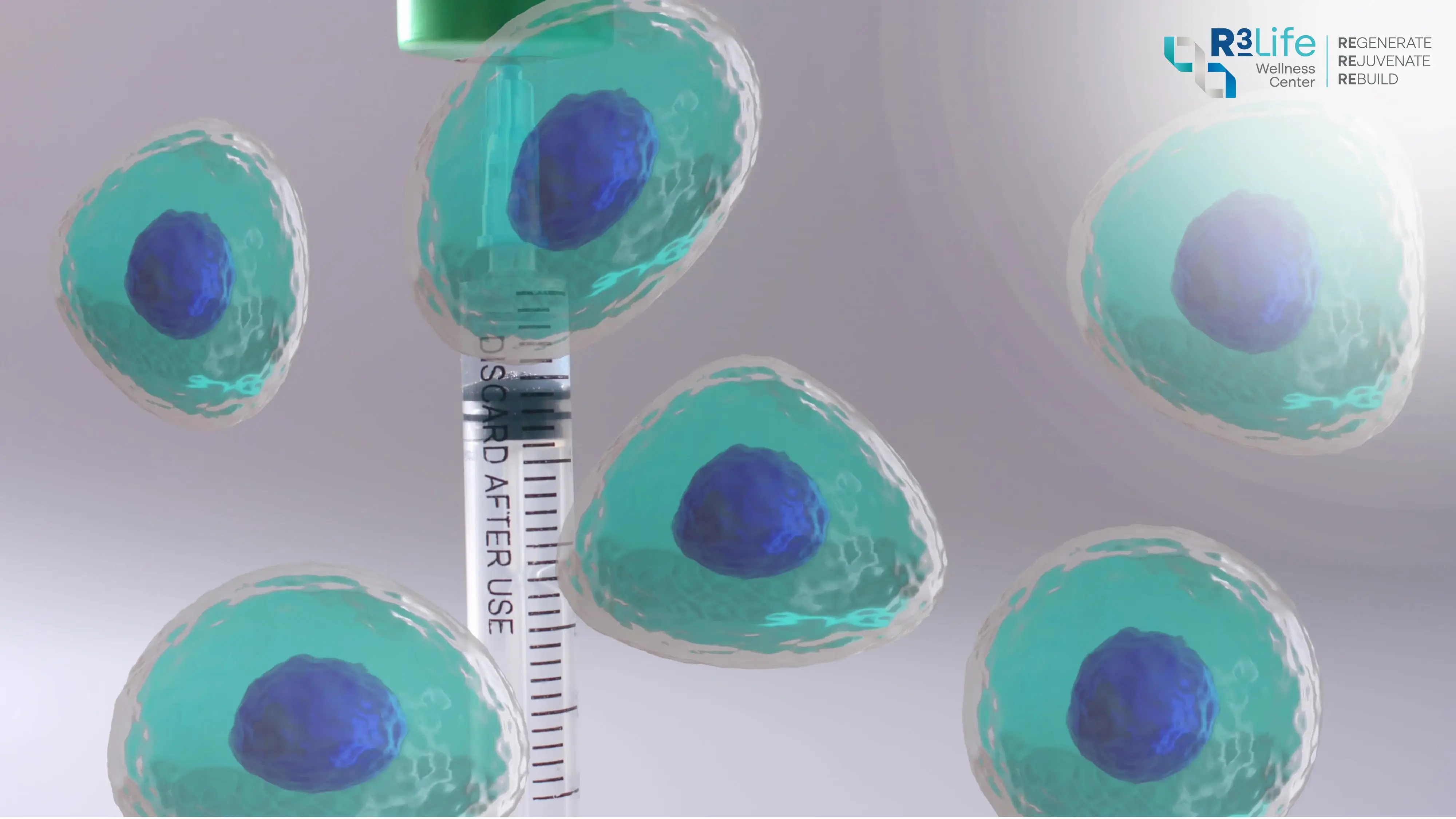
Natural killer cells, known as NK cells, are a type of white blood cell that patrols the body looking for two specific types of threat:
- Cells that have been infected by a virus
- Cells that have undergone cancerous changes
Unlike other immune cells that need to learn a specific threat before they can act on it, NK cells can recognize and respond on first contact. When they find a target, they destroy it by releasing cytolytic granules — a concentrated package of cell-destroying proteins — directly into the target cell.
How Aging Disrupts Their Killing Mechanism
As NK cells age, something specific happens to their internal architecture. The machinery that allows them to move their toxic payload to the surface, position themselves against a target, and deliver the kill becomes disorganized. The cell can still find the threat. It can still bind to it. But the delivery mechanism fails. It is something like a security guard who can identify every unauthorized person in the building but whose hands no longer work.
What Happens When NK Cells Stop Working Properly
The Accumulation of Senescent Cells
Senescent cells are cells that have reached the end of their functional life and stopped dividing, but have not been cleared from the body. Sometimes called zombie cells, they no longer perform useful work but actively cause harm to surrounding tissue by leaking inflammatory signals. In a healthy immune system, NK cells identify these cells and eliminate them as part of routine maintenance. When NK cell function declines, senescent cells accumulate. The body's cleaning system falls behind.
The Link Between Immune Decline and Cancer Risk
Part of the immune system's job is to detect early-stage cancer cells and destroy them before they can proliferate. This is known as immune surveillance. When NK cell function declines, this surveillance is compromised, meaning pre-cancerous and cancerous cells face significantly less resistance. Epidemiological research consistently shows that markers of immune senescence are associated with increased cancer risk in older populations, and NK cell count and activity are among the markers most closely linked to this relationship.
How SASP Factors Accelerate Systemic Aging
This creates a feedback loop:
- More senescent cells produce more SASP signals
- Those signals promote senescence in surrounding tissue
- Which produces still more senescent cells
The immune system was supposed to clear these cells before the loop could start. When it cannot, the process accelerates the very aging it was meant to slow.
What This Means for Proactive Health
Why Waiting for Symptoms Is the Wrong Strategy
The processes described in this article, including NK cell dysfunction, senescent cell accumulation, and SASP-driven systemic inflammation, occur largely without noticeable symptoms until the damage is significant. By the time immune decline shows up as recurrent illness, unusual fatigue, or more serious health events, the underlying process has typically been building for years. The most effective window for intervention is before those symptoms appear.
The NK Cell Expansion Process at R3 Life Wellness Center
NK cell expansion therapy offers a direct way to support immune function as it naturally declines with age. At R3 Life Wellness Center, the process runs in three stages:
- Consultation: R3 Life assesses your baseline NK cell count, health profile, and suitability for the therapy
- Expansion: A blood draw is taken, and the NK cells are isolated and multiplied outside the body in a laboratory over approximately 14 to 21 days, with R3 Life aiming to deliver up to approximately 8 billion cells per treatment
- Reinfusion: The client returns for the expanded NK cell population to be administered back into the body via IV drip
What sets R3 Life's process apart is the laboratory behind it. NK cell expansion is conducted in a facility certified to international standards including UK NEQAS, NEBB, Clean Room Class 100, ISO Class 5, ISO 15189, ISO 15190, and ISO 20387 — a global standard in biobank accreditation. The lab uses Flow Cytometry technology for NK cell testing, a method not widely available in Thailand. Product quality draws on international know-how from Canada and Denmark.
The therapy is positioned not as a treatment for existing illness, but as a proactive investment in immune health before decline becomes clinically significant. Consultations are led by Dr. Tanaporn Eiamprapai (Dr. Ploy), Medical Director and Board Certified physician in Anti-Aging and Regenerative Medicine (ABAARM), supported by a specialist clinical team. To explore whether this is appropriate for your situation, reach out via WhatsApp to schedule your appointment: +66 88 689 8888
Frequently Asked Questions about Immunosenescence
What is immunosenescence?
Immunosenescence is the gradual decline in immune function that comes with age. It involves changes in immune cell structure, reduced capacity to respond to new threats, and impaired surveillance of cancerous or damaged cells. It is distinct from simply getting sick more often. It affects the immune system's fundamental ability to maintain the body's cellular health.
What are NK cells and why do they matter?
Natural killer (NK) cells are white blood cells that patrol the body for infected and cancerous cells and destroy them without needing prior exposure. They are part of the immune system's first line of defense. Declining NK cell activity is associated with increased cancer risk and accelerated aging.
What are zombie cells and why are they a problem?
Zombie cells, formally called senescent cells, are cells that have stopped dividing but have not been cleared from the body. They continuously leak inflammatory signals that damage surrounding tissue and promote further cellular aging. A healthy immune system clears them regularly. When NK cell function declines, they accumulate and accelerate the aging process.
Who should consider NK cell therapy?
NK cell expansion therapy is relevant for people seeking proactive immune support, particularly those managing high workloads, frequent travel, chronic stress, or other factors that deplete immune reserves over time. A consultation at R3 Life Wellness Center is the right starting point to determine whether it is appropriate for your specific profile.
Conclusion
The immune system does not just get weaker with age. It develops specific failures: cells that can still detect threats but can no longer act on them, processes that should keep the body clear of dangerous material falling behind, and the resulting accumulation quietly accelerating the aging it was supposed to prevent.
Understanding this is the first step toward addressing it proactively. R3 Life Wellness Center offers free consultations for anyone interested in evaluating their immune health and exploring what advanced immune support looks like for their situation. Reach out via WhatsApp at +66 88 689 8888 or visit r3lifewellness.com

 Checkpoint Inhibitors: How They Work & What to Expect