Muscle Is the New Longevity Organ: Why Muscle Matters for Healthy Aging and Longevity | R3 Life
Muscle Is the New Longevity Organ: Why Muscle Matters for Healthy Aging and Longevity | R3 Life
5 Key Takeaways
- Muscle is increasingly recognized as a key predictor of healthy aging, independence, recovery, and long-term quality of life.
- Age-related muscle loss (sarcopenia) can begin as early as your 30s, even if your body weight remains stable.
- Many longevity and preventive medicine experts recommend consuming approximately 1.2–1.5 g of protein per kilogram of body weight per day to help maintain muscle mass.
- Essential amino acids and BCAAs, particularly leucine, play an important role in muscle protein synthesis and recovery.
- Preserving muscle today may be one of the most effective ways to support healthspan, resilience, and vitality in the future.
For decades, healthy aging was associated with maintaining a healthy weight.
Today, longevity experts are asking a different question: How much muscle will you have when you're 70, 80, or 90 years old?
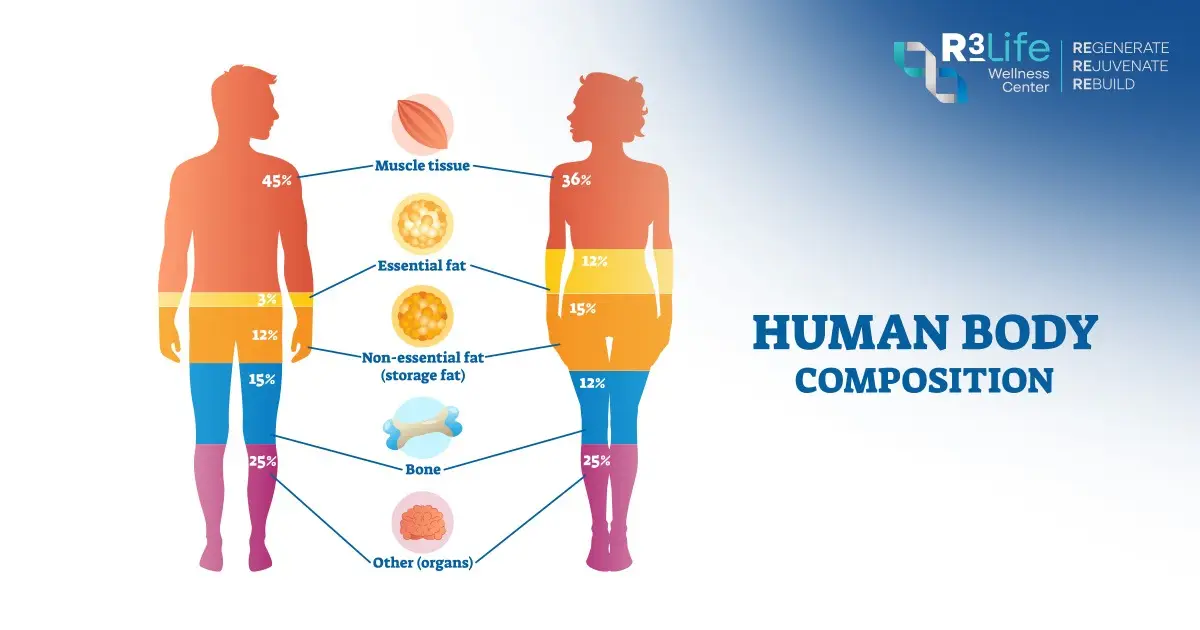
In modern Preventive and Longevity Medicine, muscle is no longer viewed simply as something that helps us look fit. It is increasingly recognized as one of the most important organs influencing healthspan, resilience, recovery, and quality of life.
Why Muscle Matters More Than Ever
Muscle plays a critical role in far more than movement. Healthy muscle mass helps support:
- Metabolic health
- Blood sugar regulation
- Physical strength and mobility
- Recovery from illness and injury
- Balance and fall prevention
- Healthy aging and independence
Research consistently shows that low muscle mass and sarcopenia (age-related muscle loss) are associated with frailty, hospitalization, loss of independence, and reduced quality of life as we age.
In other words: Aging well may depend as much on preserving muscle as it does on preventing disease. The Hidden Muscle Loss That Starts Earlier Than Most People Think
One of the biggest misconceptions about aging is that muscle loss only affects older adults.
In reality, muscle mass gradually begins to decline after the age of 30. Without adequate protein intake, resistance training, and proper recovery, this process may accelerate over time.
Many people maintain a normal body weight while quietly losing muscle and gaining fat — a phenomenon often described as "normal-weight obesity." From the outside, they appear healthy. Internally, their metabolic health and physical resilience may be declining.
Why Protein Is a Healthy Aging Priority
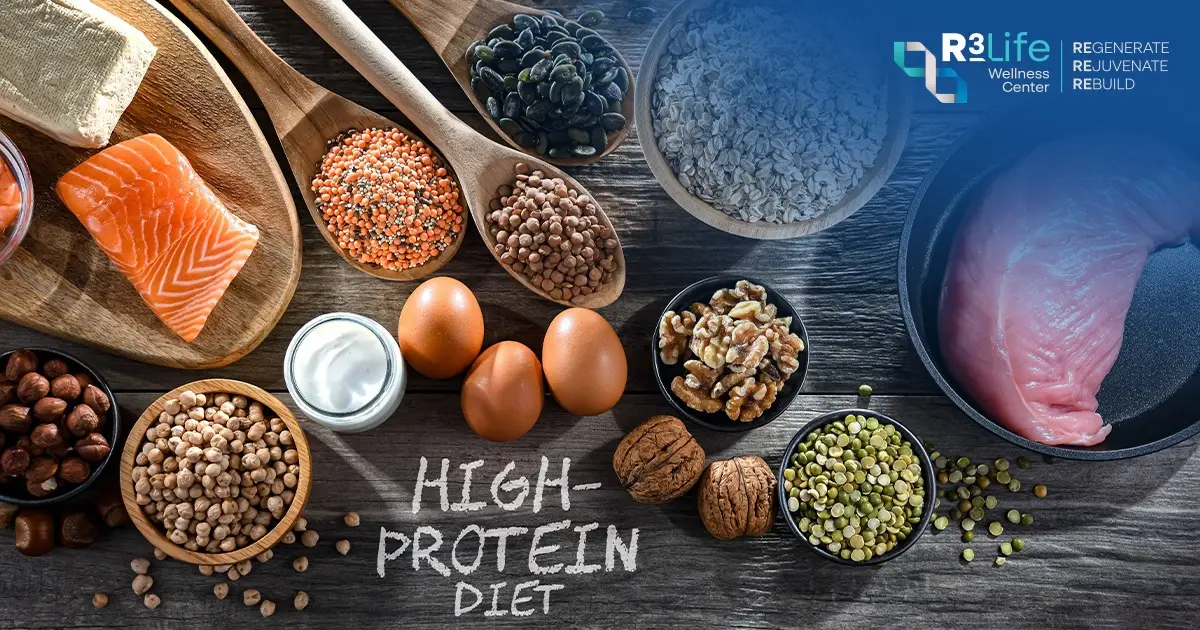
Protein is no longer viewed as a nutrient only for athletes and bodybuilders.
Today, many Healthy Aging and Longevity Medicine practitioners recommend a daily protein intake of approximately:
1.2-1.5 grams per kilogram of body weight per day
For example:
- 50 kg = 60-75 g protein/day
- 60 kg = 72-90 g protein/day
- 70 kg = 84-105 g protein/day
This recommendation is particularly relevant for adults seeking to preserve muscle mass, maintain strength, support recovery, and promote healthy aging.
The Role of Amino Acids and BCAAs
Protein is ultimately broken down into amino acids, the building blocks required for muscle repair and growth. Among these, Branched-Chain Amino Acids (BCAAs) have received significant attention in sports medicine and healthy aging.
BCAAs include:
- Leucine
- Isoleucine
- Valine
Leucine is particularly important because it activates the mTOR pathway, a key regulator of muscle protein synthesis. This process helps stimulate muscle repair and supports the maintenance of lean muscle mass. Isoleucine and Valine also contribute to energy utilization, recovery, and muscle metabolism.

What If You're Not Getting Enough Protein?
While nutrition should always remain the foundation, many individuals struggle to consistently meet their daily protein requirements. This may include:
- Busy professionals
- Frequent travelers
- Older adults
- Individuals recovering from illness or surgery
- Athletes and active individuals
- Those experiencing reduced appetite or inadequate nutritional intake
In these situations, physicians may consider additional nutritional support as part of a personalized wellness strategy.
Supporting Recovery and Muscle Health Through Preventive Medicine
At R3 Life Wellness Center, we view muscle preservation as an essential component of Healthy Aging.
For individuals requiring additional nutritional support, our physician-supervised Kidney Rise IV program provides a concentrated blend of essential amino acids and BCAAs designed to support recovery, muscle maintenance, and overall wellness.
The program may be considered for individuals seeking support during recovery, periods of increased physical demand, or as part of a broader Healthy Aging strategy under physician guidance.
Healthy Aging Is Not About Looking Younger
The future of healthy aging is shifting away from simply reducing wrinkles or chasing a lower number on the scale.
Instead, it focuses on maintaining the strength, resilience, mobility, and vitality needed to continue doing the things you love for as long as possible. Because one of the strongest predictors of how well you age may not be your weight. It may be the muscle you manage to preserve along the way.
FAQ
1. Why is muscle considered important for longevity?
Muscle does far more than support movement. Healthy muscle mass contributes to metabolic health, blood sugar regulation, physical function, recovery, balance, and independence as we age. Research consistently links higher muscle mass and strength with better long-term health outcomes and quality of life.
2. How much protein should I consume for healthy aging?
Many healthy aging and longevity practitioners recommend approximately 1.2–1.5 grams of protein per kilogram of body weight per day, although individual needs vary depending on age, activity level, body composition, and overall health status.
3. What are BCAAs and why are they important?
BCAAs (Branched-Chain Amino Acids) include leucine, isoleucine, and valine. Leucine is particularly important because it helps activate the mTOR pathway, a key regulator of muscle protein synthesis. BCAAs are widely studied for their role in supporting muscle maintenance and recovery.
4. Who may benefit from additional amino acid support?
Individuals recovering from illness or surgery, active adults, older adults at risk of muscle loss, or those struggling to meet protein requirements through diet alone may benefit from additional nutritional support. At R3 Life, physician-supervised options such as Kidney Rise IV provide essential amino acids and BCAAs as part of a personalized Healthy Aging and Recovery strategy.

 From Pills to Drips: The Evolution of Vitamins and Why IV Therapy Works Better