Blood Purification Therapy: What the Science Shows
Key Highlights
- Blood purification therapies target substances the liver and kidneys cannot fully clear — including inflammatory proteins and age-related compounds in circulation.
- Therapeutic plasma exchange removes and replaces blood plasma, reducing the circulating burden of proteins associated with chronic inflammation and accelerated aging.
- A 2025 placebo-controlled trial published in Aging Cell found that therapeutic plasma exchange reduced biological age by an average of 2.6 years.
- Blood cleansing therapy is distinct from conventional detox — it targets specific molecular signals in the bloodstream, not just organ-level waste processing.
- Ozone Therapy IV supports blood-level health by activating the body’s antioxidant defenses, offering a different mechanism from plasma-filtration approaches.
Quick Summary
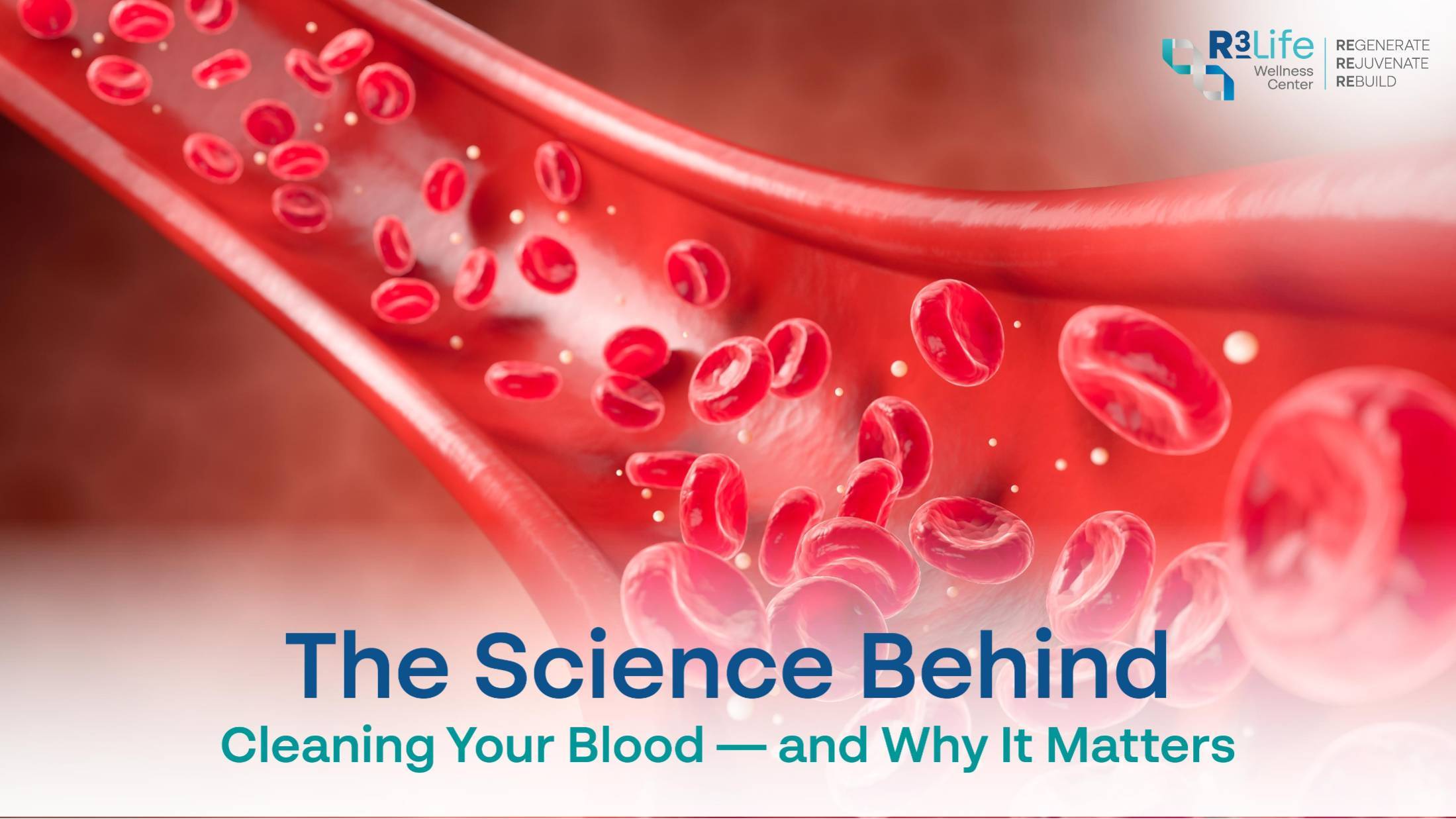
Most people think about blood health in one of two ways: either as something that needs testing, or as something that needs managing only if the cholesterol is too high. Very few think about the blood itself as something that accumulates a burden over time — a load of proteins, inflammatory signals, and environmental debris that the body’s own filtration systems can only partially clear.
That’s the premise behind blood purification therapies. They emerged from clinical medicine long before the longevity community found them, and they’ve moved significantly forward in the past two years — from biohacking territory to peer-reviewed trial results. When Bryan Johnson, a 48-year-old American tech entrepreneur and one of the most prominent biohackers, publicly documented his plasma exchange protocol, it sparked widespread consumer interest in a category of therapy most people had never heard of. The science, as it turns out, had more substance behind it than the headlines suggested.
This article explains what blood purification is, how the main approaches work, what the 2025 clinical evidence actually shows, and who these therapies are most relevant for.
The Concept of Blood Purification: Where It Comes From
Blood purification as a concept has existed before modern longevity science for decades. Therapeutic plasma exchange has been used clinically since the 1970s to treat autoimmune conditions, on the basis that replacing plasma could remove harmful antibodies driving disease. What’s newer is applying that same logic to healthy aging — the idea that plasma accumulates age-associated signals over time, and reducing that burden may measurably slow biological aging.
Why the Blood Accumulates Waste Over Time
The bloodstream carries more than oxygen and nutrients. Over time, it also accumulates things the body struggles to clear. One source is senescent cells — cells that have aged past the point of dividing and effectively gone dormant, but haven't been removed. Instead of quietly retiring, they continue leaking inflammatory proteins into the bloodstream, signaling surrounding tissue in ways that gradually drive further damage. Think of them as a tenant who doesn’t pay rent anymore but just won’t leave either, wasting water and electricity.
On top of that, the blood carries misfolded proteins — proteins that didn't fold into their correct shape during production and can no longer function properly — along with damaged lipids and other inflammatory compounds that accumulate as part of normal metabolic activity. The body has mechanisms to clear all of this. The problem is that those mechanisms slow down with age, so the load builds faster than it gets cleared, and the accumulation itself accelerates the very aging it's a symptom of.
The Role of Microplastics and Environmental Toxins
Recent research has detected microplastics in human blood, cardiac tissue, and lungs. Combined with heavy metals, pesticide residues, and other environmental compounds, these represent a category of burden that the liver and kidneys were not designed to handle at the concentrations generated by modern life. Blood purification approaches that involve plasma filtration can address some of this load directly — something dietary or lifestyle interventions alone cannot achieve.
What the Liver and Kidneys Can and Cannot Do Alone
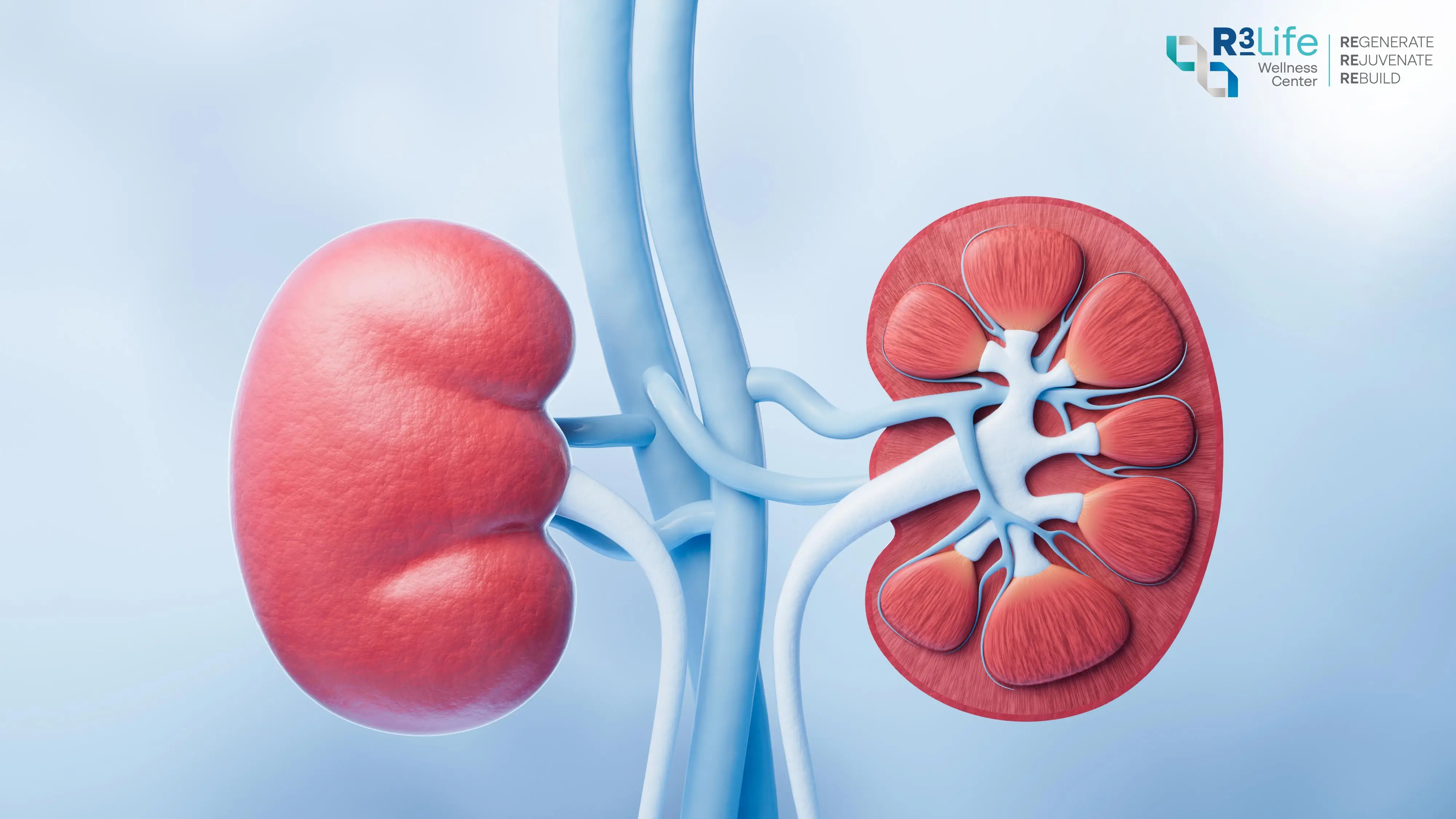
The liver and kidneys are genuinely impressive organs. Between them, they filter out metabolic waste products, process what the body produces from breaking down food and medication, and manage the fluid balance that keeps everything running. For the kind of waste the body generates in normal daily function, they handle it well.
Where they run into limits is with a different category of problem. Large inflammatory proteins, age-related compounds that accumulate in the plasma over time, and fat-soluble substances — meaning compounds that don't dissolve in water and therefore can't simply be flushed out through the kidneys the way simpler waste products can — all tend to build up in ways the liver and kidneys aren't fully equipped to address. It's not a failure of the organs. It's more that they were designed for a specific job, and this particular type of accumulation sits outside their brief.
That's the gap blood purification therapies are designed to step into.
How Modern Blood Purification Therapies Work
Several approaches are in clinical use today. They differ significantly in mechanism, procedural complexity, and what they’re designed to target.
Therapeutic Plasma Exchange — What It Involves
Therapeutic plasma exchange (TPE) works in three steps:
- Your blood is drawn and separated into two components: the cellular part (red cells, white cells, and platelets) and plasma — the liquid portion that carries proteins, inflammatory factors, and other molecules
- The plasma is either discarded or filtered, then replaced with albumin or donor plasma
- The reconstituted blood is returned to your body
The result is a measurable reduction in circulating age-associated proteins, inflammatory markers, and senescent cell signals. TPE has decades of clinical safety data from its use in autoimmune disease management.
H3: Double Filtration Plasmapheresis (DFPP): The Process Explained
DFPP is another extracorporeal procedure where blood circulates outside the body through a machine. The difference from TPE is precision. Rather than removing and replacing all plasma, DFPP passes blood through two sequential filters: the first separates plasma from blood cells, the second selectively removes large harmful molecules such as LDL cholesterol, triglycerides, inflammatory proteins, and autoantibodies, while returning beneficial smaller molecules like albumin back to the body.
This targeted approach makes DFPP particularly relevant for people with severely elevated lipid levels, autoimmune conditions, or chronic inflammatory states where specific compounds need reducing rather than a broad plasma reset.
At R3 Life Wellness Center, DFPP is available as a consultation-led service assessed on a case-by-case basis. Treatment is administered under the direct supervision of a specialist physician throughout the procedure, conducted in a private treatment room to ensure both safety and comfort. A consultation is the right starting point for anyone who may benefit.
What These Therapies Target at the Biological Level
Despite their differences in process, both approaches share the same underlying goal — reducing the molecular burden in circulation:
- TPE removes age-promoting plasma proteins directly through filtration
- DFPP takes a more targeted approach, selectively filtering out large harmful molecules such as LDL, inflammatory proteins, and autoantibodies, while returning beneficial proteins like albumin to the body
Both represent a more targeted intervention than oral supplementation or lifestyle changes can achieve on their own.
What the Clinical Evidence Actually Shows
The science on blood purification has moved meaningfully in the last two years.
The 2025 Aging Cell Trial on Biological Age Reversal
In May 2025, researchers at the Buck Institute for Research on Aging published the results of a placebo-controlled human trial — meaning some participants received the actual treatment, others didn't, and neither group knew which. The therapy combined therapeutic plasma exchange with an infusion of immunoglobulin proteins, and the result was a measurable reduction in biological age of 2.6 years on average across 44 participants over 50.
Biological age here doesn't mean how old you feel. It refers to molecular markers in your DNA that scientists use to measure how quickly your cells are aging — separate from the number on your birth certificate.
The trial was small, and the researchers are clear that larger studies are needed. But it's the first controlled human trial to show measurable effects on these aging markers through plasma exchange — and in a field that has mostly relied on lab studies and anecdotal reports, that's a meaningful shift.
Chronic Fatigue, Post-Viral Recovery, and Mitochondrial Support
Beyond longevity applications, blood purification and ozone-based approaches have been explored in chronic inflammatory conditions and post-viral fatigue — contexts where the goal is reducing the circulating load of inflammatory mediators that may sustain symptoms long after the original trigger has resolved. This overlaps with the mitochondrial support rationale for ozone-based therapies: helping cells restore energy production efficiency when carrying a high inflammatory burden.
Who Is Blood Purification Therapy Most Relevant For
Individuals with Autoimmune Conditions and Chronic Inflammatory Burden
Therapeutic plasma exchange and DFPP have their clinical foundation in autoimmune disease management, with decades of established use. These therapies target the specific molecular drivers behind certain autoimmune disorders:
- Autoantibodies circulating in the blood
- Inflammatory immune complexes
- Excess inflammatory proteins contributing to disease activity
For patients managing autoimmune conditions, removing these compounds directly can help reduce disease activity in ways lifestyle changes alone cannot.
The same underlying mechanism has also drawn interest from the longevity and proactive health space, since high-performers face their own version of chronic inflammatory load:
- Elevated cortisol from sustained stress, which suppresses immune function over time
- Disrupted sleep and increased toxin exposure from frequent travel
- Limited recovery windows from demanding schedules
Lifestyle interventions can address some of this, but not all of it. Suitability for either application starts with a clinical assessment of inflammatory markers and overall health status.

What to Ask When Considering This Therapy
Before pursuing any blood purification approach, a clinician should assess your baseline inflammatory markers, kidney and liver function, and overall health status to determine which approach is appropriate for your specific profile. At R3 Life Wellness Center, Ozone Therapy IV is available as part of a broader metabolic and longevity protocol — supporting blood-level health through the body’s own antioxidant and metabolic systems. For those interested in understanding which options are right for their situation, an initial consultation is the right starting point.
Read more about how Ozone Therapy IV works and how it compares to HBOT and EBOO in Ozone Therapy for Immunity & Inflammation: How It Compares to HBOT & EBOO on the R3 Life blog.
Frequently Asked Questions about Blood Purification
Q: What is blood purification therapy?
A: Blood purification refers to a group of clinical interventions designed to reduce the burden of proteins, inflammatory compounds, and environmental toxins that accumulate in the bloodstream over time. The most established forms include therapeutic plasma exchange and ozone-based therapies, each working through distinct mechanisms.
Q: Is blood cleansing therapy the same as detox?
A: Not in the clinical sense. Most commercial detox products work at the liver and gut level. Blood purification therapies intervene directly in the bloodstream — removing plasma proteins, reducing inflammatory complexes, or triggering cellular defense responses that standard detox approaches don’t reach.
Q: How is therapeutic plasma exchange different from donating blood?
A: In blood donation, whole blood or specific components are removed and given to another person. In therapeutic plasma exchange, the plasma is removed and replaced with albumin or fresh plasma, and your full blood — including your cells — is returned to your body. It is a clinical treatment, not a donation.
Q: What did the 2025 clinical trial on plasma exchange actually show?
A: A placebo-controlled trial published in Aging Cell in May 2025 found that TPE combined with intravenous immunoglobulin reduced biological age by an average of 2.6 years across 44 participants over 50, measured using epigenetic and multi-omic biomarkers. The researchers describe it as early-stage evidence, and larger trials are in progress. It remains the first human trial to demonstrate measurable effects on biological aging clocks through plasma exchange.
Q: Is Ozone Therapy related to blood purification?
A: Ozone Therapy IV shares the goal of supporting blood-level health, but through a different mechanism. Rather than filtering or replacing plasma, it introduces a controlled mild stimulus that may activate the body’s antioxidant defense systems and support mitochondrial function. It’s often incorporated into broader metabolic and longevity protocols rather than used as a standalone filtration therapy.
Conclusion
Blood purification has moved from the fringes of biohacking to peer-reviewed clinical evidence in a short period of time. Whether the approach is plasma filtration or ozone-based cellular activation, the underlying rationale is the same: blood accumulates a molecular burden that the body’s own systems can only partially clear, and addressing that burden has measurable effects on how the body ages and functions.
If you’d like to explore what blood-level support looks like as part of a proactive health protocol, R3 Life Wellness Center offers free consultations to help determine the right approach for your profile. Reach out via WhatsApp at +66 88 689 8888 or visit r3lifewellness.com.
 The Future Healthcare Technology for Rejuvenation