As Cancer Rates Rise, the Question Is No Longer Just “How Do We Treat It?” But “How Early Do We Choose to Care for Ourselves?”
As Cancer Rates Rise, the Question Is No Longer Just “How Do We Treat It?” But “How Early Do We Choose to Care for Ourselves?”
As global cancer cases continue to rise, the most alarming issue may not be the numbers alone.
According to the World Health Organization (WHO), the global cancer burden is expected to increase by more than 77% by 2050 from approximately 20 million cases to over 35 million worldwide.
Yet behind these statistics lies another quiet and concerning trend: more people are discovering the disease only after their bodies begin to send warning signals.
The Challenge: Warning Signs Often Appear After the Process Has Started
In many cases, cancer does not begin with pain. There are no clear symptoms,
and daily life remains unaffected in the early stages.
Until one day, the body begins to struggle.
Unexplained fatigue
Sudden weight loss
Persistent pain
Or unexpected abnormalities found during medical check-ups
These signs are often not indicators that something might happen but signals that a biological process has already been unfolding for some time.

So the real question becomes not only: “How do we treat cancer once it is found?”
But rather: What choices do we have before those warning signs appear?
Choosing to Care Earlier: The Role of Preventive Medicine
Preventive Medicine is not about living in fear of disease, nor about excessive testing driven by anxiety.
It is about preparing the body while we still feel well before symptoms appear, and while we still have the opportunity to make informed, proactive choices.
One system increasingly discussed in preventive health is the immune system.
Why the Immune System Matters More Than We Think
The immune system does more than protect us from infections. It functions as a continuous surveillance system, monitoring cellular changes throughout the body.
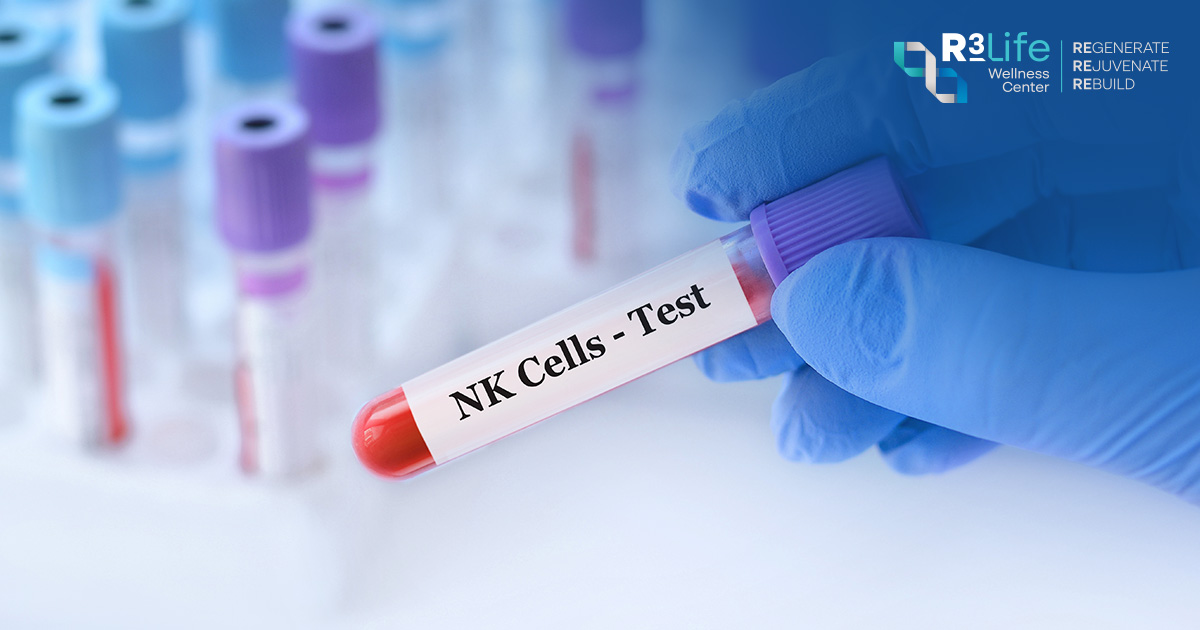
A key component of this system is NK Cells (Natural Killer Cells) immune cells that help identify and manage abnormal cells before changes escalate.
NK Cells can be seen as the body’s first line of natural defense, working quietly every day even when we feel completely normal.
NK Cells Are Not a Treatment
They Are a Way to Strengthen Natural Defense Starting Today
Care related to NK Cells is not considered a cancer treatment, and it is not a promise of outcomes.
Rather, it reflects a preventive approach: supporting immune system function so it can perform its role more effectively while the body is still strong, before warning signs appear, and while there is still time to prepare.

Today, NK Cells are no longer only something the body must wait to produce on its own.
With appropriate medical guidance, they can be supported through modern medical approaches.
This represents the difference between waiting for the body to ask for help and choosing to care for ourselves before the alarm sounds.
Learn more about NK Cells and preventive health approaches at:
👉 https://r3lifewellness.com/en/nkcell
Or book a consultation with our medical team:
📩 @r3lifewellness
📞 +66 88 689 888
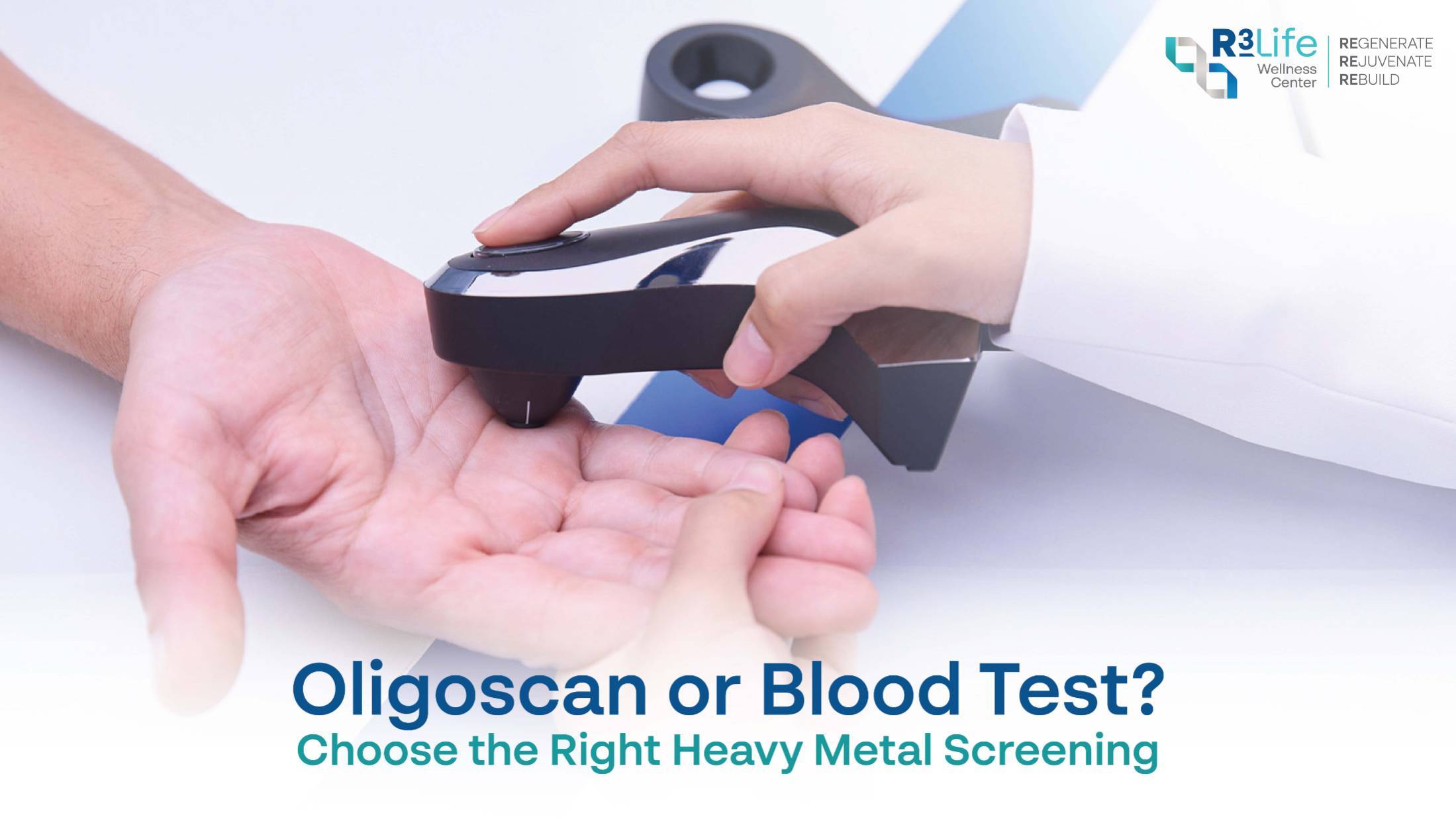
 Heavy Metal Testing: Oligoscan or Blood Test? | R3 Life Wellness Center