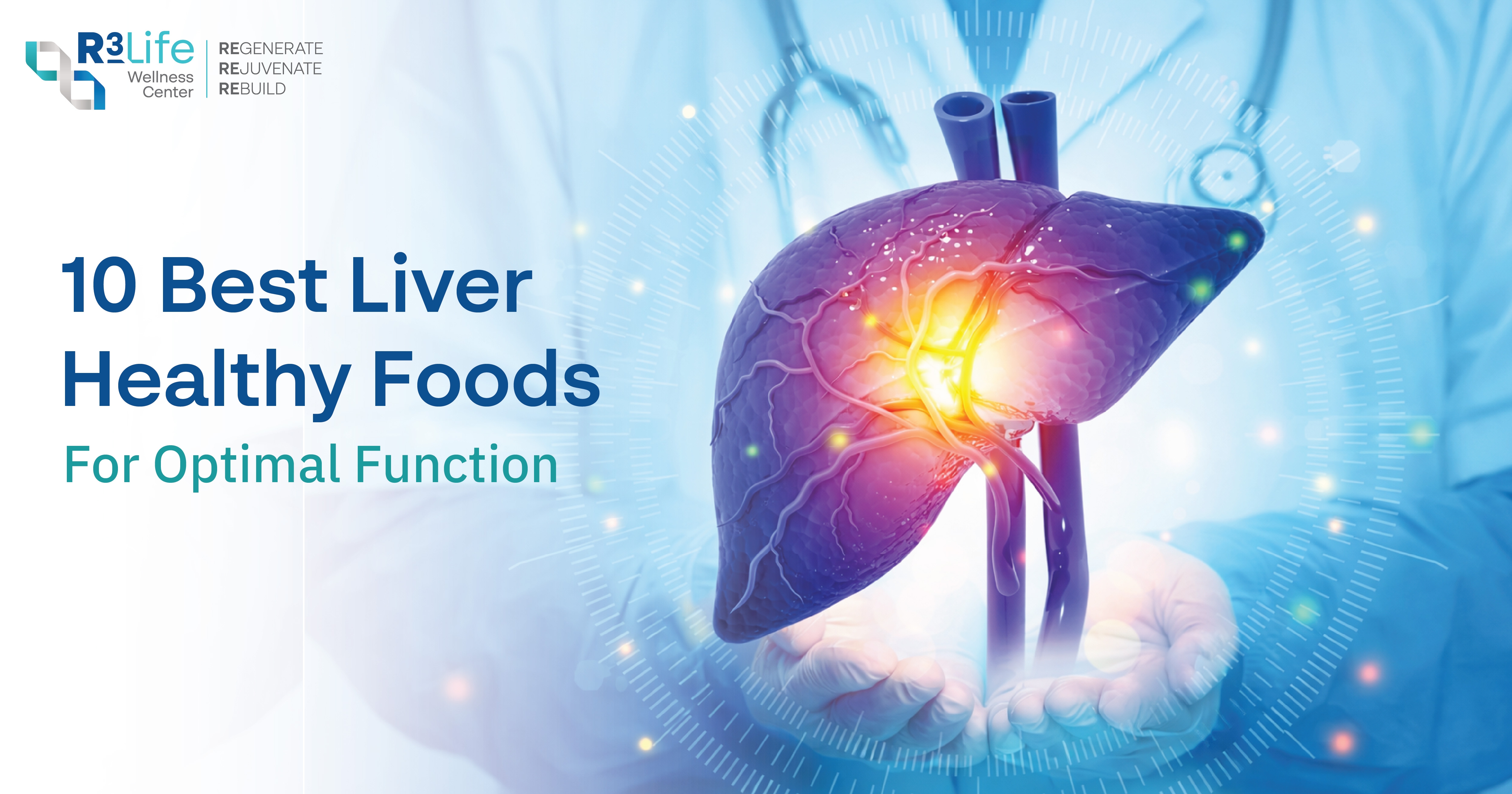
10 Best Liver Healthy Foods for Optimal Function
Key Takeaways
- Incorporating foods good for liver like coffee, leafy greens, and fatty fish can reverse damage.
- A fatty liver diet rich in antioxidants helps reduce inflammation and prevents disease progression.
- Avoiding alcohol and sugar is just as important as eating healthy liver foods.
- Small dietary changes can lead to significant improvements in liver detoxification within weeks.
Your liver is the body's primary filtration system, working tirelessly to convert toxins into waste, cleanse your blood, and metabolize nutrients. Maintaining a healthy liver is critical for overall well-being. The good news? You can support this vital organ simply by choosing the right foods good for liver health.
Understanding Your Liver's Vital Role
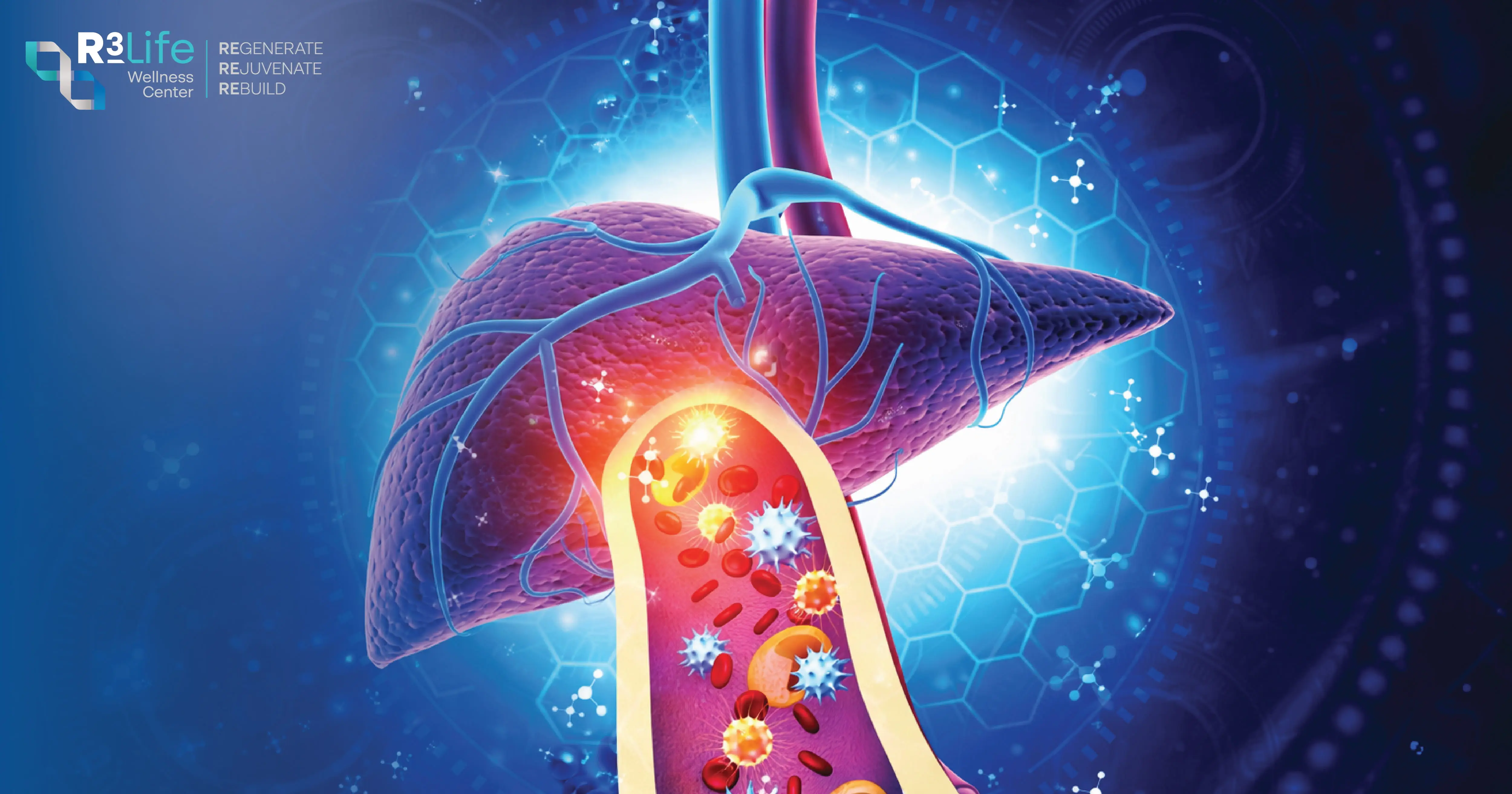
Before diving into dietary specifics, it's essential to understand that everything you eat or drink passes through your liver. A poor diet can lead to non-alcoholic fatty liver disease (NAFLD), but a fatty liver diet focusing on natural, unprocessed options can protect and even regenerate liver cells.
Top 10 Liver Healthy Foods You Should Eat Daily
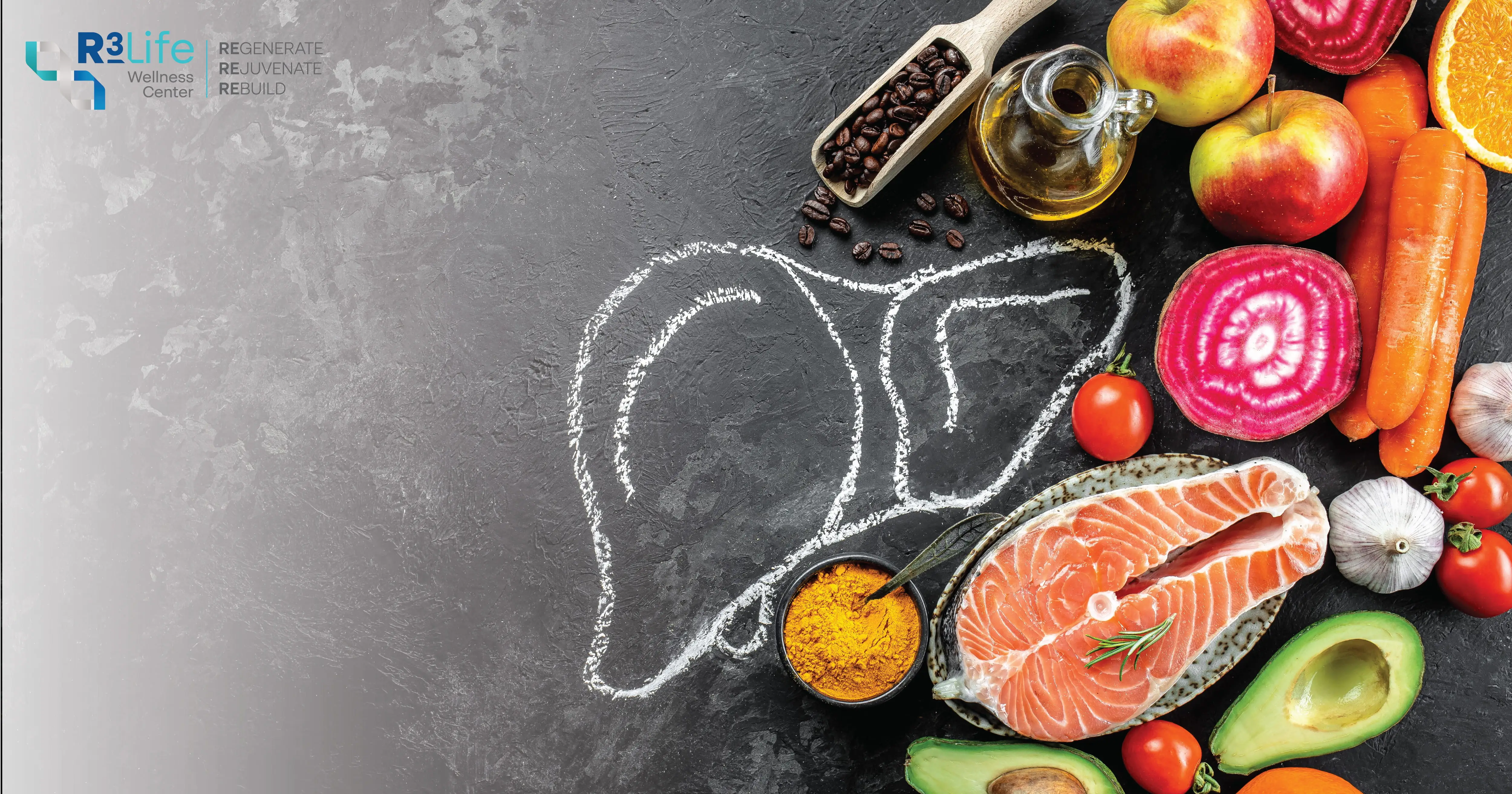
1. Coffee: Studies show drinking coffee is one of the best things you can do for your liver. It increases antioxidant levels and decreases inflammation, making it a top choice among foods good for liver health.
2. Cruciferous Vegetables: Broccoli, Brussels sprouts, and kale contain compounds that help increase the liver's natural detoxification enzymes.
3. Fatty Fish: Rich in Omega-3 fatty acids, fish like salmon helps reduce fat buildup and inflammation, a cornerstone of any effective fatty liver diet.
4. Olive Oil: Considered a healthy fat, olive oil improves liver enzyme levels and reduces fat accumulation.
5. Nuts (especially Walnuts): High in healthy fats and antioxidants, nuts are linked to improved liver enzyme levels.
6. Berries: Blueberries and cranberries contain anthocyanins, antioxidants that protect the liver from damage.
7. Grapefruit: Contains naringenin and naringin, antioxidants that naturally protect the liver by reducing inflammation.
8. Oatmeal: High in fiber, specifically beta-glucans, which help reduce the amount of fat stored in the liver.
9. Garlic: Helps activate liver enzymes that flush out toxins, aiding natural liver detoxification.
10. Turmeric: The active ingredient curcumin has been shown to protect bile ducts and improve bile flow, essential for a healthy liver.
Foods to Limit or Avoid for a Healthy Liver
To maximize the benefits of liver healthy foods, you must also limit intake of:
- Alcohol: The leading cause of liver damage.
- Added Sugars: Can lead to fat buildup in the liver.
- Processed Meats: Often high in sodium and unhealthy fats.
Advanced Treatment Options
For many people with liver concerns, the frustration is real: you've changed your diet, reduced alcohol, and exercised regularly—yet liver enzyme levels remain elevated, or fibrosis continues to progress. When lifestyle changes aren't producing the results you need, regenerative medicine offers a complementary approach that addresses liver damage at the cellular level.
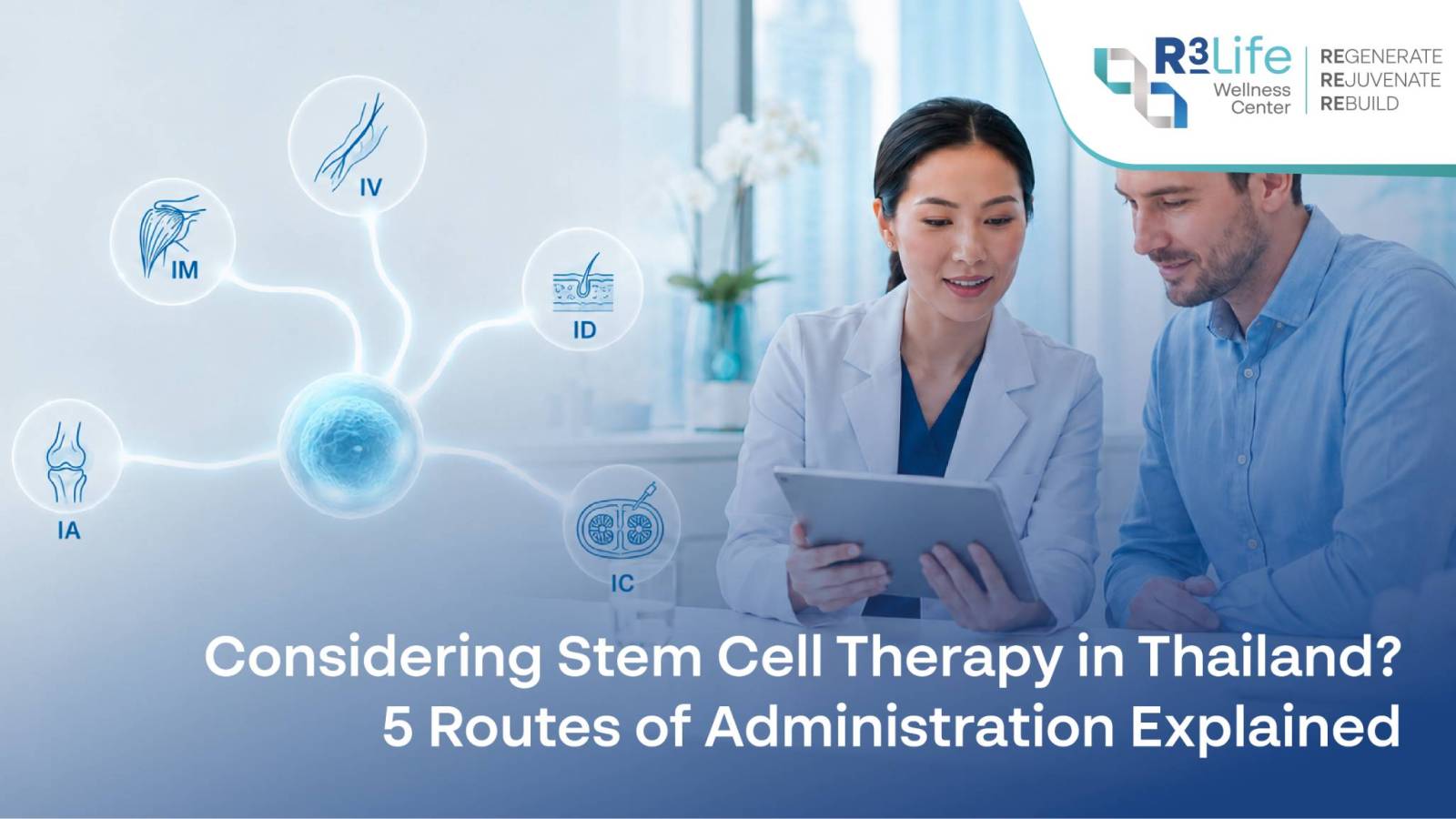
How Stem Cell Therapy Supports Liver Health
Mesenchymal stem cells (MSCs) have emerged as a promising therapeutic approach for chronic liver conditions. With 73 clinical trials now registered on the NIH Clinical Trial Database (as of August 2024), research confirms that MSC therapy works through multiple mechanisms that directly target liver damage:
Anti-Fibrotic Action: MSCs help reduce liver scarring by inhibiting hepatic stellate cells—the cells responsible for excessive collagen production that leads to fibrosis and eventually cirrhosis. A meta-analysis in World Journal of Gastroenterology (2024) found MSC therapy effectively reverses fibrosis in preclinical models.
Reducing Inflammation: Chronic liver disease involves persistent inflammation. MSCs secrete anti-inflammatory factors including IL-10 and PGE2, which help calm the inflammatory response and prevent further liver damage.
Supporting Liver Regeneration: MSCs release hepatocyte growth factor (HGF) and other regenerative compounds that promote the growth of healthy liver cells to replace damaged tissue.
Immune Regulation: For autoimmune liver conditions, MSCs help modulate the immune system to reduce self-attack on liver tissue.
Studies on amnion-derived MSCs specifically showed significant reduction in fibrotic areas, type-I collagen deposits, and activated hepatic stellate cells. Overall, clinical evidence published in Stem Cell Research & Therapy (2025) confirms that MSC therapy significantly improves liver histology, reduces fibrosis markers, and restores functional capacity—offering hope for patients who do not respond to conventional treatments.
Why Amnion-Derived Stem Cells for Liver Support?
The human amniotic membrane contains a unique combination of stem cells and bioactive compounds that make it particularly effective for liver conditions:
Key Therapeutic Compounds in Amnion:
- HGF (Hepatocyte Growth Factor): Directly stimulates liver cell regeneration and repair
- EGF (Epidermal Growth Factor): Promotes healthy cell growth and tissue healing
- IL-10 and IL-1Ra: Natural anti-inflammatory molecules that reduce liver inflammation
- BMP-7 (Bone Morphogenetic Protein-7): Helps reverse fibrosis by inhibiting collagen formation
- IGFBP-3, DKK-1, DKK-3: Block Wnt signaling pathways that activate fibrosis-producing cells
Important Note: Stem cell therapy is not a replacement for medical treatment or lifestyle changes. It works best as part of a comprehensive approach that includes liver healthy foods and regular monitoring by healthcare professionals.
Who May Benefit from This Approach?
Stem cell therapy may be considered for individuals with:
- Non-alcoholic fatty liver disease (NAFLD) not responding adequately to lifestyle chang
- Early to moderate liver fibrosi
- Elevated liver enzymes despite dietary modification
- Chronic liver inflammatio
- Those seeking complementary support alongside conventional treatment
Important Note: Stem cell therapy is not a replacement for medical treatment or lifestyle changes. It works best as part of a comprehensive approach that includes liver healthy foods and regular monitoring by healthcare professionals.
Why Choose R3 Life Wellness?
- Complimentary liver health consultations with personalized treatment plans
- Amnion-derived MSC therapy specifically selected for liver-supportive properties
- Led by Medical Director Certified by ABAARM (American Board of Anti-Aging and Regenerative Medicine) and the Cell Association of Thailand
- Premium MSCs from hand-selected, healthy donors—ensuring unmatched quality and safety
- 90%+ cell viability with comprehensive contamination screening and use GMP-compliant and Xeno-free cell culture media
Please Note: If you are not yet confident about starting stem cell therapy, you may begin with our IV Drip Liver Health program.
This IV vitamin formula is specially developed by our medical team, led by Dr. Ploy, Medical Director, and is designed to support optimal liver function.
Frequently Asked Questions
Q: Can I drink alcohol with fatty liver disease?
A: For alcohol-related fatty liver, complete abstinence is necessary. For non-alcohol related cases, discuss with your doctor as even moderate alcohol can worsen liver inflammation.
Q: What are the early warning signs of liver problems?
A: Watch for persistent fatigue, upper right abdominal pain, dark urine, pale stool, yellowing skin or eyes, and easy bruising. Many liver conditions show no early symptoms, making prevention through liver healthy foods essential.
Q: Can I combine liver healthy foods with stem cell therapy?
A: Yes, this combination is recommended. Foods good for the liver provide ongoing nutritional support, while MSC therapy offers cellular-level regeneration. R3 Life Wellness Center creates personalized plans combining both approaches.
Q: Can I detox my liver naturally with foods?
A: Yes. Garlic activates liver enzymes that flush toxins, broccoli boosts detox pathways, and leafy greens provide glutathione for protection. Avoid Cheaper liver detox price as shown in the market have to focus more consider or unproven supplements as they may harm your liver.
Q: Should I eat foods good for liver even if my liver is healthy?
A: Absolutely. With 1 in 3 adults affected by fatty liver disease, prevention is key. Liver healthy foods also reduce risks of diabetes, heart disease, and cancer. Think of it as an investment in long-term health.
 Chronic Neck Pain from Inflammation: Causes, Treatment Approaches, and the Role of Regenerative Medicine