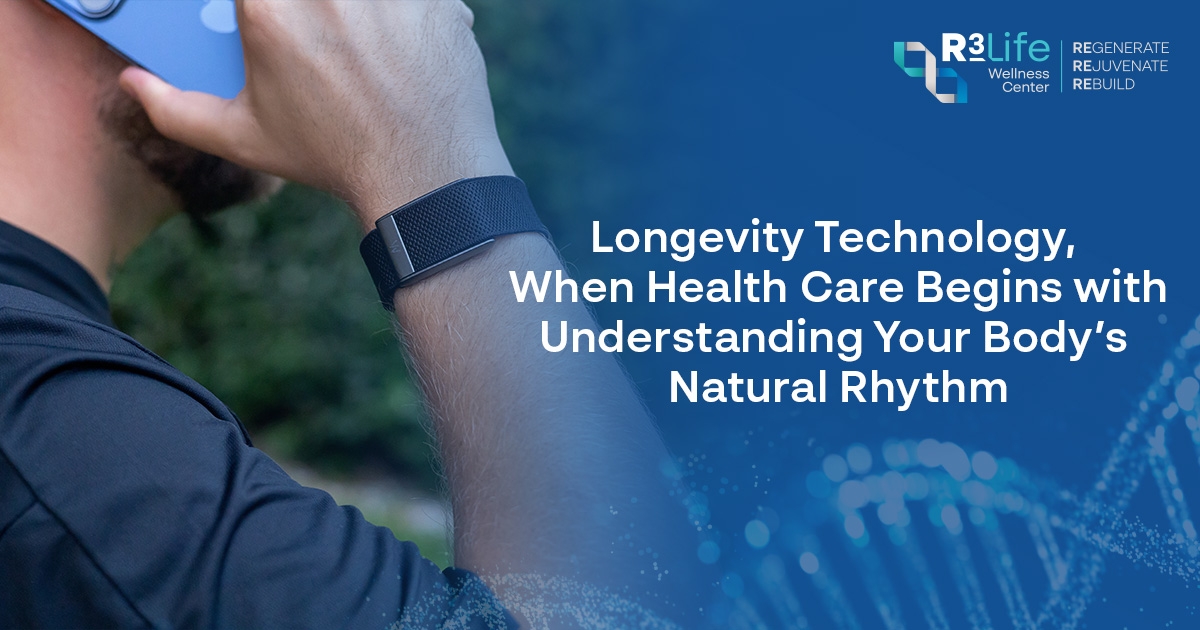
Longevity Technology: When Health Care Begins with Understanding Your Body’s Natural Rhythm
One of the questions being asked more often today is no longer,
“What new health technology is available?”
But a simpler and deeper question:
“What does my body need today?”
Over the past year, Longevity technology has begun to answer this question more clearly.
Not because it has become more complex or more high-tech,
but because it has moved closer to real life.
Technologies that collect health data during everyday living — known as wearable technology — are now playing a meaningful role in conversations around preventive health and long-term well-being.
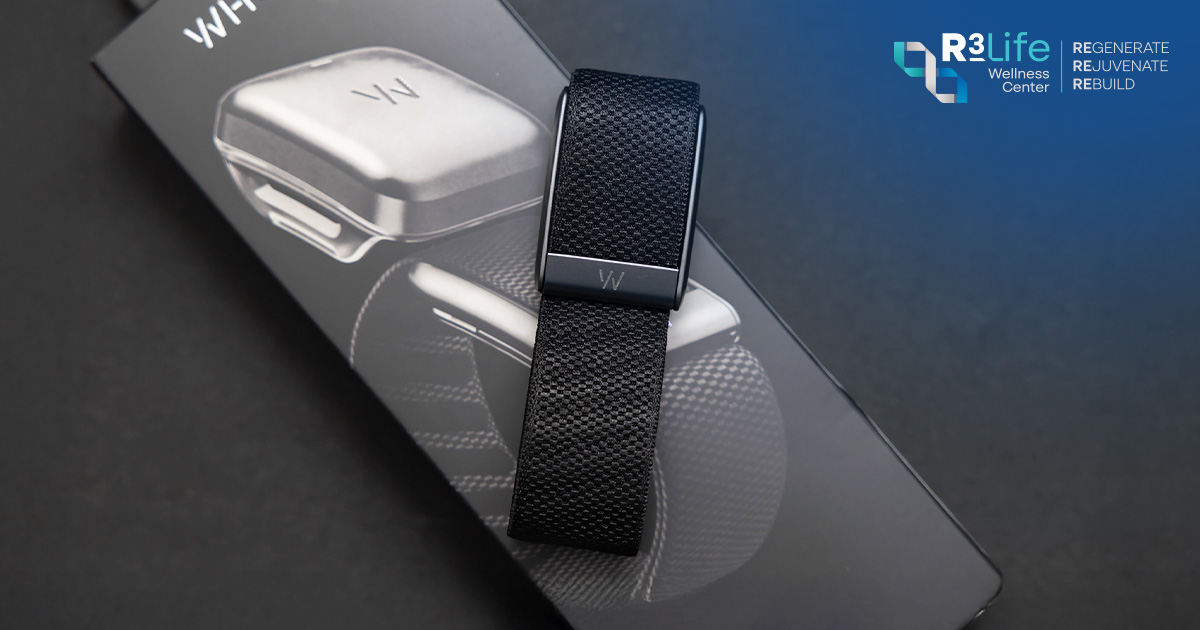
A Technology That Doesn’t Ask What You Did But How Ready Your Body Is
WHOOP was not designed to measure how much you exercise or how hard you train.
Instead, it focuses on core physiological signals such as sleep quality, recovery, stress levels, and daily readiness.
These metrics help individuals understand their body’s condition at a given moment not based on subjective feelings alone, but on continuously collected data.
From a Longevity Technology perspective, this type of information is as valuable as traditional health checkups. It does not show only a single snapshot of health, but reveals patterns formed over time through daily habits and lifestyle choices.
Many people begin to notice that a low recovery score does not mean failure.
Rather, it signals that the body may need rest, restoration, or a different form of care during that period.
This marks an important shift from forcing the body to follow a fixed plan, to adapting care based on the body’s actual condition.

From Daily Data to Personalized Health Decisions
What wearable technology like WHOOP does particularly well is make the connection between daily life and physical health visible.
Late nights, accumulated stress, or pushing through workouts without adequate recovery are all reflected clearly in the data.
This information is not used to diagnose disease.
Instead, it provides essential context for preventive and integrative health care.
When real-life data is reviewed alongside medical assessments, such as immune health, gut health, or cellular health, the conversation between physician and patient changes.
It begins with understanding, not urgency.
And it moves away from decisions based solely on speed or the lowest cost.
Longevity Is Not About Doing More
But About Caring at the Right Time From a longevity perspective, health care does not always mean adding more interventions.
At certain times, data may suggest that the body needs rest more than action.
At other times, it may indicate that preventive support is appropriate.
And sometimes, doing nothing additional is the most beneficial choice.
This is why longevity is not only about technology,
but about interpreting data with meaning.
Technology is a tool. True health care begins with understanding.
Using Technology Without Letting It Replace Awareness
WHOOP is just one example of longevity technology that helps individuals see their body more clearly in everyday life.
What matters more than the device itself is knowing how to use the data,
and understanding when to rely on numbers and when to listen to the body beyond them.

At R3 Life Wellness Center, longevity means gradually integrating real-life data with medical insight,
so that health care aligns with the body’s natural rhythm.
This is how technology does not replace care
but helps make health care clearer, more precise, and more sustainable over time.
Frequently Asked Questions about Longevity Technology
Q: What does wearable technology like WHOOP actually measure?
A: WHOOP focuses on core physiological signals such as sleep quality, recovery, stress levels, and daily readiness — not exercise output or training intensity. These metrics help you understand your body's condition based on continuously collected data, rather than subjective feelings alone.
Q: What does a low recovery score mean? Is it a failure?
A: A low recovery score is not failure. It is a signal that the body may need rest, restoration, or a different form of care during that period. The data helps you adapt to the body's actual condition rather than forcing it to follow a fixed plan.
Q: Can wearable technology replace medical checkups?
A: No. Wearable data is not used to diagnose disease. It provides daily context that complements clinical assessments such as immune, gut, or cellular health evaluations, giving physicians and patients a fuller picture for preventive and integrative care.
Start with a Conversation
Good health begins with understanding.
You are welcome to consult with our physicians specializing in anti-aging and regenerative medicine at no cost, to explore a health care approach that truly fits you.
📩 Contact us at [email protected]
📞 Call/whatsapp +66 88 689 8888

 Arab KOLs Choose R3 Life for Luxury IV Wellness in Bangkok