Silent Eye Degeneration: Prevent Vision Loss Early with Preventive Medicine
Eye degeneration can happen silently without warning. Learn the causes, symptoms, and how preventive eye care and nutrition can help protect your vision in the digital age.
Key Takeaways: What You Need to Know About Eye Health
- The eyes are one of the most overused yet least cared-for organs, leading to silent degeneration over time
- Many eye conditions, such as macular degeneration and glaucoma, develop without early warning signs
- Daily habits like prolonged screen use, lack of sleep, and stress accelerate eye deterioration
- Preventive Medicine focuses on early care through lifestyle, regular screening, and proper nutrition
- When diet alone may not be enough, targeted supplementation can support long-term eye health
Silent Eye Degeneration: A Condition That Develops Without Warning
The eyes are among the most frequently used organs in the human body.
From the moment we wake up until we go to bed, we rely on them to read, work, drive, and stare at screens.
Yet there is one important truth:
The eyes are one of the most overused but least protected organs.
We protect our skin with sunscreen. We support heart health through diet. We build muscle through exercise.
But our eyes… are often left to endure constant strain without preventive care.
This is why many eye conditions, especially retinal degeneration develop silently, without noticeable symptoms in the early stages.

What Happens If We Don’t Take Care of Our Eyes?
Over the past decade, clinicians have observed a rising number of patients experiencing vision problems at a younger age particularly among working professionals.
Key contributing factors include:
- Prolonged screen exposure
- Blue light from digital devices
- Inadequate sleep
- Chronic stress and environmental pollution
These factors can lead to a condition known as Digital Eye Strain, with symptoms such as:
- Eye fatigue
- Dry eyes
- Blurred vision
- Headaches
- Increased light sensitivity
Over time, accumulated oxidative stress can damage retinal cells, increasing the risk of:
- Age-related macular degeneration (AMD)
- Glaucoma
- Diabetic retinopathy
Many of these conditions progress silently and are often detected only after irreversible damage has occurred.
Preventive Medicine: A Modern Approach to Eye Care
Preventive Medicine is gaining global attention as a forward-thinking approach to health. Instead of waiting for disease to occur, modern medicine focuses on preventing damage at the cellular level. For eye health, this approach is especially critical. Because retinal cells have limited ability to regenerate,damage is often permanent. And importantly: Eye degeneration is not caused by aging alone but by small daily habits repeated over time.
1. Reducing Daily Risk Factors
One of the most common modern eye issues is Digital Eye Strain.
Research shows that when using screens,our blink rate decreases by up to 30–50%,
leading to dryness and eye fatigue.
A simple yet effective technique recommended by eye specialists is: The 20-20-20 Rule
Every 20 minutes,look at something 20 feet (6 meters) away for at least 20 seconds. This allows the eye muscles to relax and reset
2. Regular Eye Screening
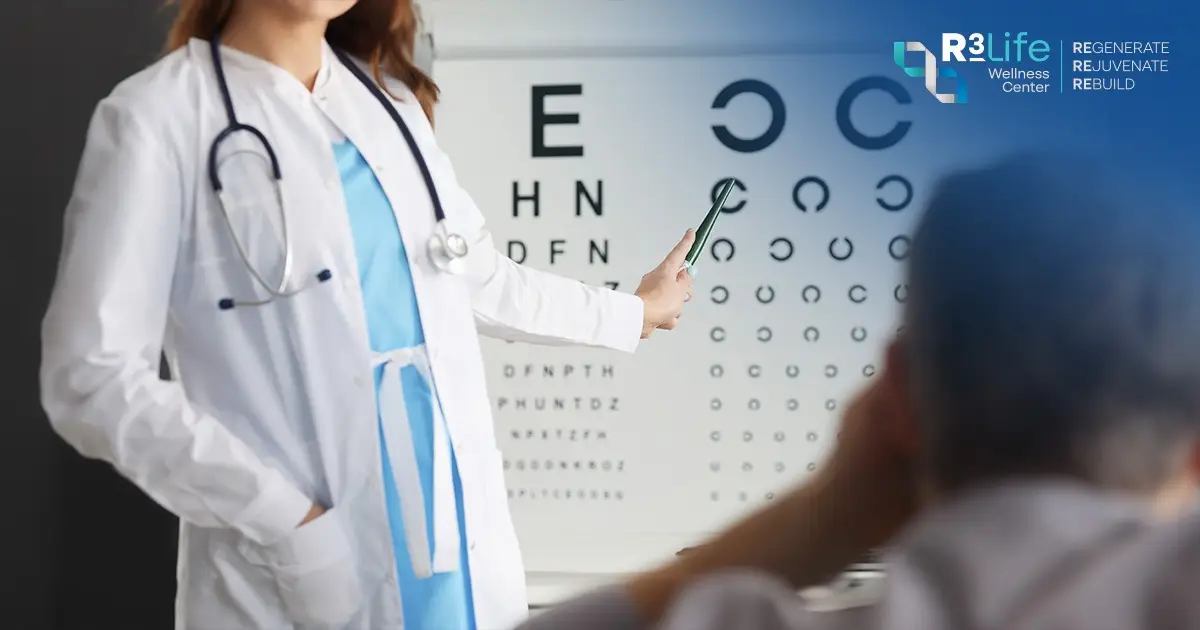
Routine eye examinations are essential for early detection of eye conditions.
Diseases such as macular degeneration and glaucoma often show no symptoms in early stages. Eye screenings can be done at:
- Eye clinics
- Hospitals
- Health check-up centers
Basic assessments typically include vision testing, intraocular pressure measurement, and retinal evaluation.
It is recommended to have an eye exam at least once a year,
or more frequently for high-risk individuals. Because in many cases: The most dangerous condition… is the one that shows no symptoms.
3. Nutrition That Supports Eye Health
The eyes are constantly exposed to light and oxidative stress, especially in a screen-dominated lifestyle.
Long-term eye care is not only about resting the eyes, but also about providing the right nutrients.
These can be found in natural foods such as:
- Dark leafy greens (kale, spinach, broccoli)
- Orange and yellow vegetables (carrots, pumpkin)
- Berries (blueberries, blackberries)
- Citrus fruits and nuts
- Grapes and seeds
These foods contain antioxidants and compounds that help:
- Protect retinal cells
- Reduce eye fatigue
- Support microcirculation
- Maintain optimal visual function
But in reality… Is It Enough?
While natural food is the foundation of health, many people still fall short of optimal intake.
Especially those who:
- Use screens extensively
- Have irregular eating habits
- Experience stress and lack of sleep
At the same time, the eyes are exposed to increasing levels of stress daily.
This creates a gap between what the body needs and what it actually receives.

Bright Eyes Prime: A Preventive Approach to Eye Health
Bright Eyes Prime is a daily eye supplement developed based on the principles of Preventive Medicine focusing on protecting the eyes at the cellular level before degeneration occurs.
This formula is developed in collaboration with a physician certified by the
American Board of Anti-Aging and Regenerative Medicine (ABAARM), which specializes in preventive and longevity-focused care.
How the Formula Supports Eye Health
Rather than targeting symptoms alone, Bright Eyes Prime is designed to support multiple aspects of eye health:
- Protecting the retina from blue light and oxidative stress
- Reducing eye fatigue from prolonged screen use
- Supporting microcirculation in retinal tissue
- Enhancing neuronal energy and visual function
Key ingredients include:
- Lutein & Zeaxanthin – support macular protection and blue light filtering
- Optiberry® Extract – rich in anthocyanins for eye fatigue and circulation
- N-Acetyl-L-Carnitine – supports energy production in retinal cells
- Grape Seed Extract (OPCs) – strengthens microvascular health
- Vitamin A, C, and E – provide antioxidant defense
Who Is It For?
- Individuals who use screens for long hours
- Those experiencing eye fatigue or dryness
- People seeking preventive eye care before symptoms occur
- Anyone focused on long-term vision health
Vision Is Quality of Life
Vision loss does not only affect how we see It affects how we live. From work and mobility to independence and daily function. Preventive Medicine is not just a medical concept it is a long-term health strategy. Because sometimes, taking care of your eyes today is what protects your vision tomorrow.
FAQ : Common Questions About Preventive Eye Care
1. Do I need eye supplements if I already eat healthy?
While a balanced diet is essential, many people may not get sufficient nutrients consistently—especially with high screen exposure. Supplements can help support optimal eye health.
2. When should I start taking care of my eyes?
Ideally, before symptoms appear. Many eye conditions develop silently, and early preventive care helps reduce long-term risk.

 Medical Tourism Bangkok: Your Complete Planning Guide