Bangkok Pollution Season: Health Tips for Travellers
KEY TAKEAWAYS
- Bangkok's pollution season runs November-April, with PM2.5 levels often exceeding WHO standards
- Short-term exposure can cause brain fog, respiratory issues, and fatigue—especially in sensitive groups
- Practical protection: N95 masks, air-purified hotels, indoor activities during peak pollution hours
- Medical detox options (IV therapy, ozone therapy) can help remove toxins accumulated during your trip
Quick Summary
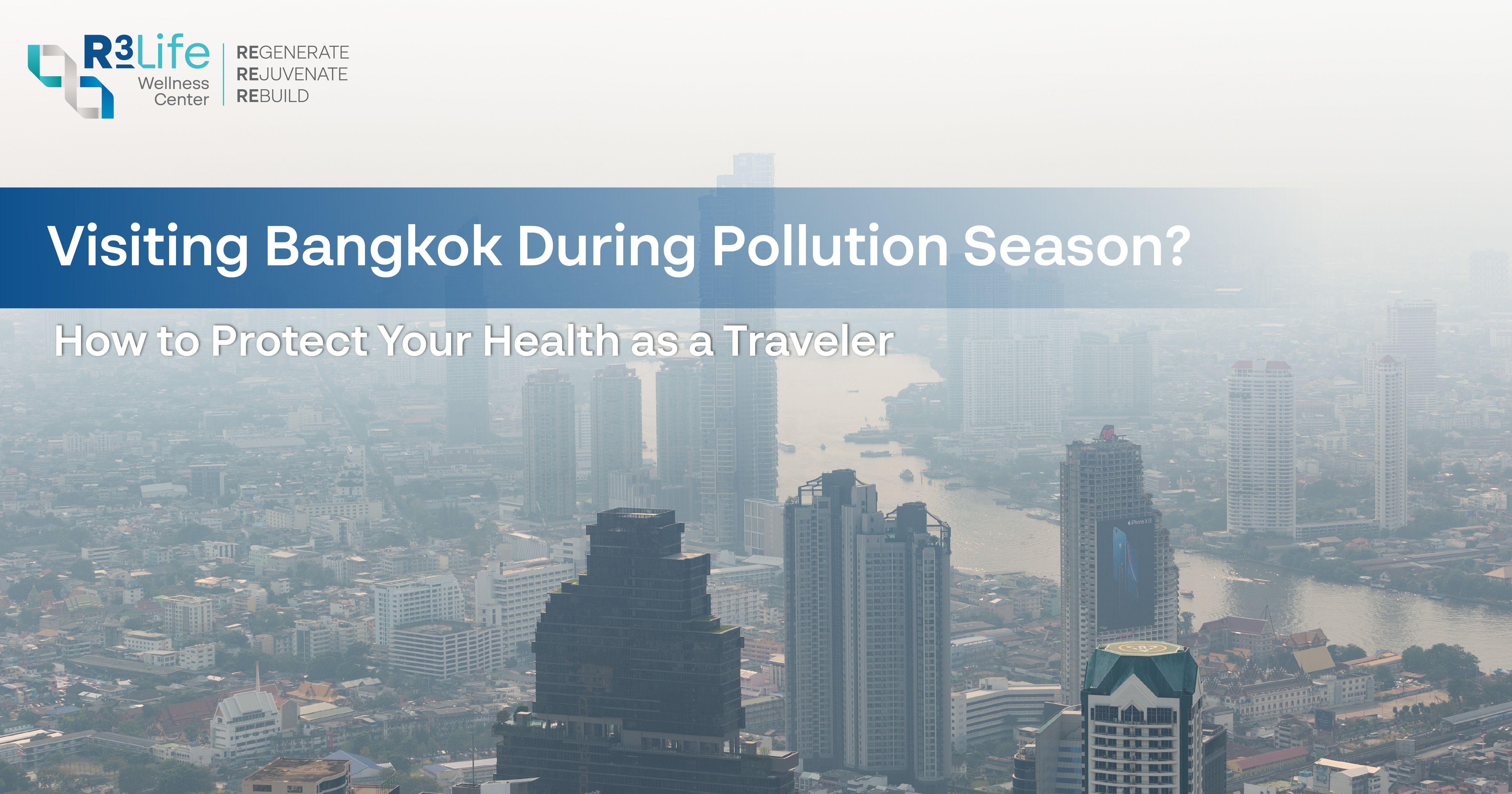
Yes, Bangkok is generally safe to visit during pollution season if you take proper precautions. However, Bangkok exceeded WHO air quality standards on about 73% of days in 2023 (265 out of 365 days). Studies indicate that PM2.5 exposure is associated with cognitive effects (such as brain fog and mental fatigue), respiratory issues, and cardiovascular risks. Protect yourself with N95 masks, air-purified accommodations, and consider medical detox options like IV therapy or ozone therapy if you experience symptoms after exposure.
Bangkok's Pollution Season: What You Need to Know
If you’re asking whether Bangkok is safe to visit despite air pollution, here’s what travelers need to understand about Bangkok’s air quality and how to protect your health:
When is Pollution Season?
November to April is Bangkok's pollution season. The worst months are typically January-March, when agricultural burning in northern Thailand combines with vehicle emissions and stagnant air.
How Bad Is It?
Bangkok air quality data shows:
- Thailand exceeded WHO air pollution standards 78% of the time last year
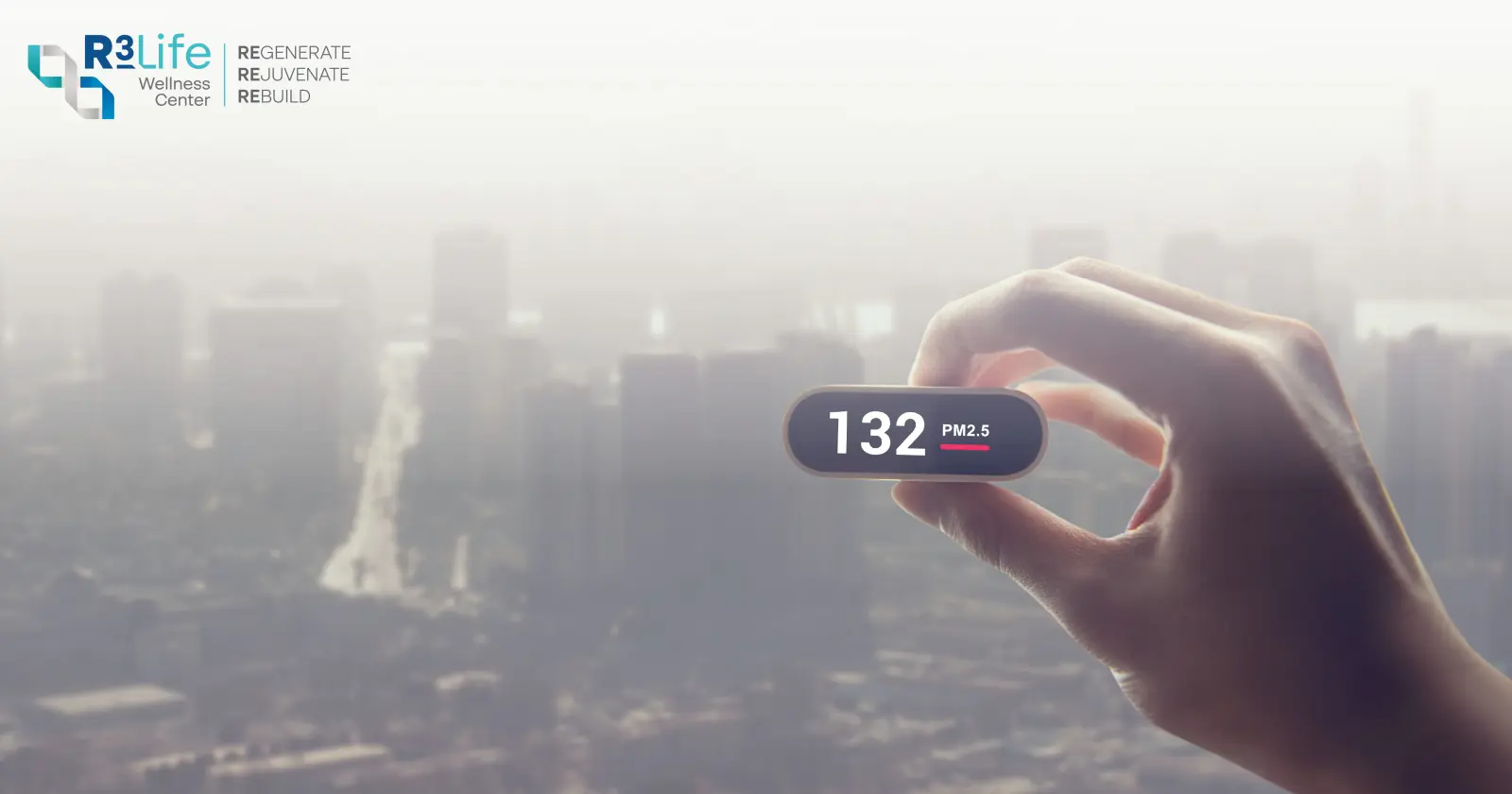
- PM2.5 levels can reach 100-200+ μg/m³ on bad days (WHO safe limit: 15 μg/m³)
- Air quality varies significantly by area—riverside and parks are often better than busy roads
How to Check Before Your Trip:
Use apps like IQAir or AirVisual to monitor real-time PM2.5 levels. AQI (Air Quality Index) above 100 is considered unhealthy for sensitive groups; above 150 is unhealthy for everyone.
Health Impacts of PM2.5 Exposure
PM2.5 particles are small enough to enter your bloodstream through your lungs. Even short-term exposure during a trip can cause symptoms:
Short-Term Effects (Days to Weeks):
- Brain fog and fatigue: 81% of those exposed report cognitive effects
- Respiratory irritation: Coughing, sore throat, difficulty breathing
- Eye and skin irritation: Redness, dryness, itching
- Headaches: Common during high pollution days
- Worsened allergies: PM2.5 triggers histamine response
- Chronic inflammation: PM2.5 triggers systemic inflammatory responses, making anti-inflammatory support like vitamin IV drips and antioxidant-rich foods essential for recovery and protection
Long-Term Risks (Chronic Exposure):
For residents with prolonged exposure, research shows increased risks of:
- Lung cancer: 36% increased risk
- Chronic bronchitis: 30% increased risk
- Liver disease: 27% increased risk
- Heart disease: 24% increased risk
Note: These long-term risks apply to chronic exposure. Short-term visitors face mainly acute symptoms, but accumulated toxins can be addressed with detox treatments.
Who Is Most at Risk?
Some travelers should take extra precautions:
- People with respiratory conditions: Asthma, COPD, bronchitis
- Cardiovascular conditions: Heart disease, high blood pressure
- Pregnant women: PM2.5 can affect fetal development
- Children and elderly: More vulnerable to pollution effects
- Outdoor enthusiasts: Runners, cyclists, those planning extensive outdoor activities
If you fall into these categories, consider visiting during cleaner months (May-October) or taking extra protective measures.
Protection Strategies: How to Protect Health Bangkok Pollution
Before Your Trip:
- Check air quality forecasts for your travel dates
- Book accommodation with air purifiers or good HVAC systems
- Pack N95/KN95 masks (surgical masks don't filter PM2.5 effectively)
- Bring eye drops and nasal spray for irritation relief
During Your Stay:
- Check daily AQI—avoid outdoor activities when above 150
- Wear N95 mask outdoors, especially near traffic
- Stay in air-conditioned spaces during peak pollution hours (morning rush, evening)
- Choose riverside restaurants and parks over busy street-side venues
- Stay hydrated—helps your body flush toxins
- Consider indoor alternatives: malls, museums, spas
If You Experience Symptoms:
- Rest in air-purified environment
- Drink plenty of water and antioxidant-rich drinks (green tea, vitamin C)
- Consider medical detox options if symptoms persist
Medical Detox After Pollution Exposure: IV Therapy Options
Air purifiers and masks provide external protection, but cannot remove toxins already absorbed into your body or repair cellular damage. For travelers who've experienced significant pollution exposure, medical detox options can help.
V Therapy Solutions at R3 Life Wellness Center:
- Liver Detox: Removes accumulated toxins, enhances liver detoxification pathways. Ideal after pollution exposure.
- Ozone Therapy: Oxygenates cells at the cellular level, enhances immunity, and reduces inflammation caused by pollution.
- Vitamin D3: Boosts immunity, balances hormones, reduces risk of respiratory infections.
- Chelation Therapy (Meta Clear): Heavy metals from pollution accumulate in the body and can cause long-term health issues.
- Super Anti-Oxidant: Boosts your body’s defense system by fighting oxidative stress and reducing inflammation from PM2.5 exposure. It also supports blood sugar regulation, reducing spikes linked to pollution-induced stress.
Why IV Therapy vs. Oral Supplements?
Oral supplements achieve only 10-40% absorption due to digestive breakdown. IV therapy delivers 100% of nutrients directly to your cells critical when you need rapid detoxification after pollution exposure.
Frequently Asked Questions
Q: Is Bangkok safe to visit during pollution season?
A: Yes, with precautions. Use N95 masks, stay in air-purified accommodations, check daily AQI, and avoid outdoor activities during high pollution hours. Most travelers complete their trips without major issues.
Q: When is Bangkok air quality the worst?
A: January-March typically has the worst air quality. November-December and April are transitional. May-October (rainy season) generally has cleaner air.
Q: Should I cancel my trip if pollution is high?
A: Not necessarily. Bangkok offers many indoor attractions (malls, museums, spas). If you have respiratory conditions, consider rescheduling or taking extra precautions.
Q: How can I detox after pollution exposure?
A: Stay hydrated, eat antioxidant-rich foods, and rest. For faster, more effective detox, IV therapy options like Liver Detox, Ozone Therapy, or Chelation Therapy can remove toxins that masks and air purifiers cannot.
Q: Are N95 masks really necessary?
A: Yes, if AQI is above 100. Surgical masks do not filter PM2.5 particles effectively. N95/KN95 masks filter 95% of particles when properly fitted

 Feeling Sick While Traveling, IV Drip Bangkok Recovery Support in Wellness Clinic Silom