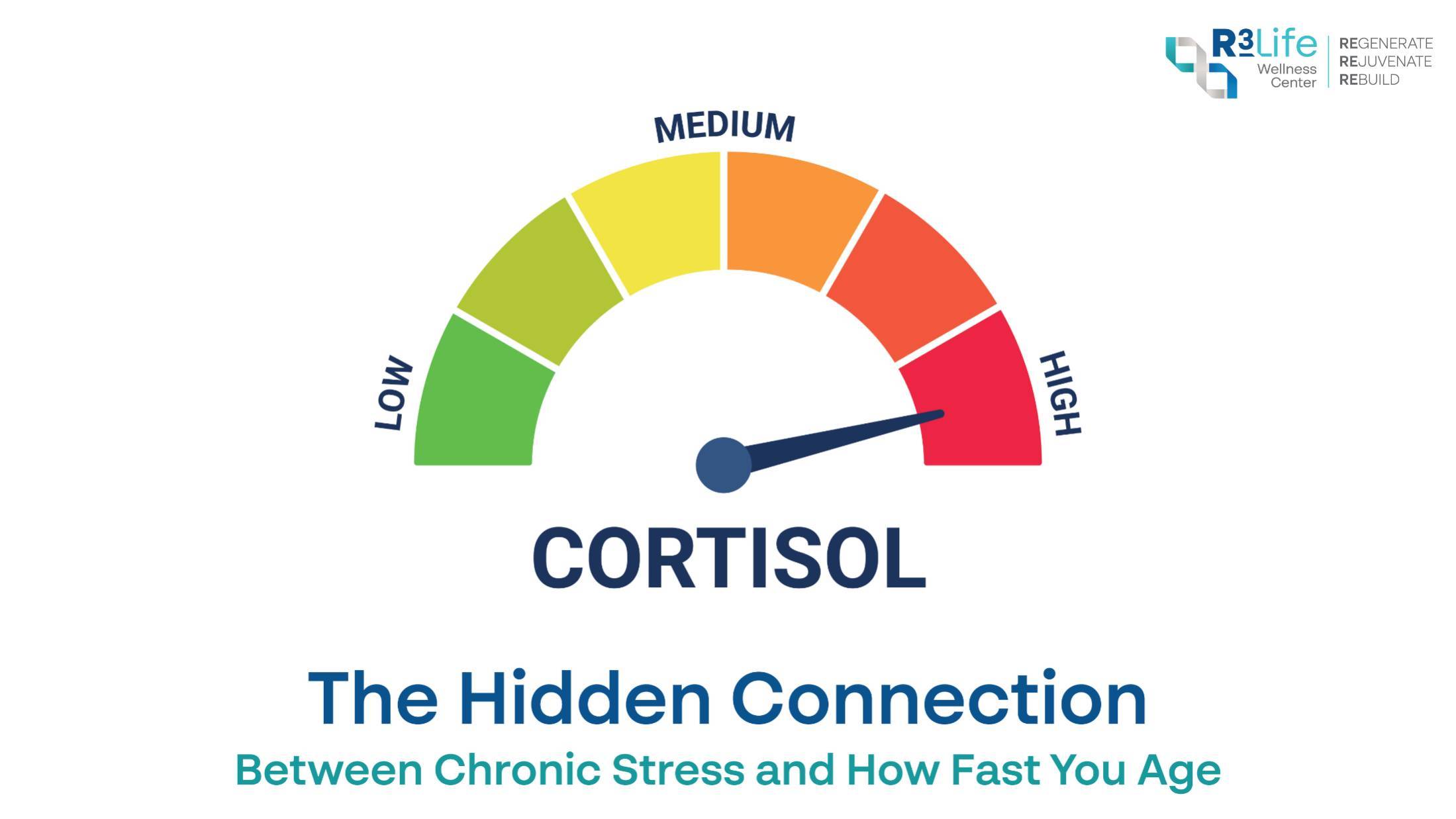
Chronic Stress and Aging: How Cortisol Ages You
Key Highlights
- Chronic stress accelerates biological aging by keeping cortisol elevated, which damages cells, shortens telomeres, and disrupts repair.
- Research has linked sustained psychological stress to measurable telomere shortening — a key marker of cellular aging.
- Long-term stress depletes NAD+, a molecule essential for cellular energy and DNA repair, contributing to faster aging.
- The brain is especially vulnerable to chronic stress, with cortisol linked to memory issues, cognitive fatigue, and accelerated neural aging.
- Recovery requires more than removing stressors — it involves replenishing nutrients, reducing inflammation, and restoring cellular function.
Introduction — Stress Isn't Just in Your Head
Stress often feels like a mental experience; racing thoughts, tight shoulders, a restless mind at 3 a.m. But the biological reality runs much deeper. Every stressful moment triggers a cascade of hormones, immune responses, and cellular shifts that leave a measurable imprint on the body.
When stress becomes chronic, with weeks, months, or years of sustained pressure, that imprint begins to accumulate. The question many people eventually ask is a serious one: does stress make you age faster? The answer, supported by a growing body of research, is yes — and the mechanisms are now well understood.
What Chronic Stress Actually Does to Your Biology
Before we can understand how stress accelerates aging, it helps to distinguish between the stress your body is designed to handle — and the kind it isn't.
The Difference Between Acute Stress and Chronic Stress
Acute stress (short-term, adaptive)
- Kicks in during immediate challenges (e.g. tight deadlines, near-misses, difficult conversations)
- Triggers a surge of adrenaline and cortisol
- Heightens focus and boosts energy for quick response
- Naturally settles back to baseline once the situation resolves
Chronic stress (long-term, disruptive)
- Occurs when the stress response fails to fully switch off
- Linked to ongoing pressures or reduced ability to recover
- Keeps the body in a constant state of alert
- Over time, shifts from helpful to harmful, impacting overall health
How Cortisol Becomes a Problem When It Never Switches Off
Cortisol is essential for survival, but chronically elevated cortisol disrupts nearly every major system in the body. Key effects include:
- Impaired blood sugar regulation and increased insulin resistance
- Disrupted sleep cycles and reduced deep sleep quality
- Suppressed immune function over time
- Reduced collagen production and slower tissue repair
- Fat redistribution, particularly around the abdomen
When cortisol stays elevated for months or years, the body begins to treat this abnormal state as the new baseline, with significant long-term consequences.
The Inflammatory Cascade That Follows
Prolonged cortisol elevation eventually shifts the immune system into a state of low-grade chronic inflammation. This persistent inflammatory signalling is now recognised as one of the central drivers of age-related decline, contributing to cardiovascular issues, metabolic dysfunction, and cognitive changes over time.
In short, chronic stress doesn't only make you feel tired, it quietly reshapes your biology.
How Chronic Stress Accelerates Biological Aging
Biological aging is the cumulative wear on your cells, tissues, and systems; and it doesn't always match your chronological age. Chronic stress is one of the most well-documented accelerators of this process.
Cortisol and Telomere Shortening — The Direct Link
Telomeres are the protective caps at the ends of chromosomes, and their length is a well-studied marker of cellular aging. Research has consistently shown that individuals experiencing high levels of chronic psychological stress tend to have shorter telomeres than their less-stressed peers; a meaningful biological signal that their cells are aging more rapidly.
How Stress Depletes NAD+ and Disrupts Cellular Repair
NAD+ (nicotinamide adenine dinucleotide) is a molecule every cell relies on for energy production and DNA repair. Levels naturally decline with age; a baseline reduction that affects everyone, but chronic stress accelerates that decline further, as the body consumes more NAD+ to manage ongoing inflammation and oxidative damage. The result is a compounded deficit: less NAD+ available for the repair work cells are meant to do, at a time when the body arguably needs more of it.
NAD+ depletion is one of several contributors to biological aging, alongside inflammation, oxidative stress, and epigenetic changes. But it is a significant one, since lower NAD+ levels reduce the body's ability to repair itself efficiently.
The Oxidative Stress Burden That Accumulates Over Years
Chronic stress increases the production of free radicals — unstable molecules that damage cells, proteins, and DNA. When antioxidant defenses are overwhelmed, oxidative stress accumulates. Over years, this burden contributes to:
- Skin aging and loss of elasticity
- Vascular and cardiovascular strain
- Neurological wear and cognitive slowing
- Reduced mitochondrial efficiency
Why Chronic Stress Ages the Brain Faster Than the Body
The brain is particularly sensitive to sustained cortisol exposure. Studies have linked chronic stress to changes in the hippocampus, a region central to memory and learning, as well as to reduced neuroplasticity and slower cognitive recovery. This is why long-term stress often shows up first as brain fog, memory lapses, and mental fatigue, sometimes well before physical signs appear.
What Long-Term Stress Looks Like on the Outside
The biological changes described above eventually surface in visible and felt ways. Common signs that stress is accelerating the aging process include:
- Persistent fatigue that isn't resolved by sleep
- Dull, tired-looking skin and slower wound healing
- Increased fine lines, especially around the eyes and forehead
- Thinning or brittle hair
- Difficulty concentrating or recalling familiar information
- Weight changes, particularly around the midsection
- Recurrent minor illnesses due to weakened immunity
These aren't signs of simply "getting older." They are signs that the body is under prolonged biological strain — and that recovery, not just rest, is needed.
What Your Body Actually Needs to Recover
Understanding biology is the first step. The more important question is: what does genuine recovery look like? For many people under long-term stress, the answer is more layered than they expect.
Everyday Stress Management — The First Line of Defence
Before clinical support enters the picture, the foundations of stress management matter; and for many people, they are genuinely effective when practised consistently. These are the low-effort, evidence-backed tools that help regulate the nervous system day to day:
- Breathing exercises: slow, deliberate breathing (such as the 4-7-8 technique or box breathing) activates the parasympathetic nervous system, shifting the body out of fight-or-flight mode within minutes
- Meditation and mindfulness: regular practice has been shown to lower cortisol, improve sleep quality, and reduce reactivity to stressors over time
- Physical movement: even short walks, gentle yoga, or stretching help metabolise stress hormones that accumulate during the day
- Sleep hygiene and boundaries: protecting rest and saying no to avoidable demands prevents the chronic build-up that eventually overwhelms the body's recovery systems
Why Removing the Stressor Isn't Always Enough
When the source of stress finally eases — a job change, a completed project, a resolved conflict — many people expect to feel better quickly. In reality, years of elevated cortisol, inflammation, and nutrient depletion don't reverse overnight. The body needs active support to rebuild what chronic stress has quietly eroded.
Nutritional Depletion From Chronic Stress — What Needs Replenishing
Chronic stress depletes several key nutrients that the body relies on for cellular repair and resilience. These typically include:
- B vitamins, essential for energy production and nervous system function
- Magnesium, which supports hundreds of enzymatic reactions including stress response regulation
- Vitamin C, consumed rapidly during cortisol production
- Glutathione and other antioxidants that neutralise oxidative damage
Restoring these nutrients through a nutrient-dense diet is foundational — but in cases of long-term depletion, dietary intake alone may take considerable time to rebuild levels.
When Clinical Support Addresses What Lifestyle Changes Cannot
For individuals recovering from years of sustained stress, targeted clinical support can complement lifestyle change by addressing specific biological deficits directly. At R3 Life Wellness Center, several IV therapies are designed with this kind of recovery in mind:
- Stress OxiShield & Relief — revitalises a body fatigued from accumulated stress and helps eliminate waste and heavy metal toxins that can build up over time.
- NAD+ DNA Rebuild — replenishes NAD+ levels with near-complete absorption, supporting cellular energy, metabolic function, and the body's natural repair pathways.
- Brain Health IV — supports cognitive recovery by enhancing memory, focus, and mental clarity, and by promoting restful sleep.
These therapies are delivered under medical supervision by registered nurses and are intended to complement — not replace — sleep, nutrition, movement, and stress-reduction practices. Outcomes differ among individuals.
Frequently Asked Questions about Chronic Stress and Aging
Q: Can chronic stress permanently age you?
A: Chronic stress can cause measurable biological changes, including shorter telomeres and increased inflammation, that contribute to accelerated aging. However, many of these effects are at least partially reversible with sustained lifestyle change, nutritional support, and stress reduction. The earlier recovery begins, the better the likely outcome.
Q: How long does it take for stress to affect your health?
A: Short-term stress typically causes no lasting harm. Effects usually begin to emerge when stress is sustained over weeks and months, with more significant biological changes — such as immune suppression, hormonal imbalance, and cellular aging markers — appearing after prolonged periods of unmanaged stress.
Q: What does cortisol do to your body over time?
A: Chronically elevated cortisol disrupts sleep, blood sugar, immune function, and collagen production. Over time, it contributes to chronic inflammation, weight gain around the midsection, and accelerated cellular aging, including changes linked to skin, brain, and cardiovascular health.
Q: How do I know if stress is affecting my biological age?
A: Signs include persistent fatigue, brain fog, changes in skin and hair, disrupted sleep, and frequent minor illnesses. Clinical assessments — such as telomere length testing and hormone panels — can provide more objective information about how stress may be influencing your biological age.
Conclusion — Your Body Keeps Score, But It Can Also Recover
Chronic stress and aging are more deeply connected than most people realise. Sustained cortisol elevation, inflammation, NAD+ depletion, and oxidative damage don't just affect how you feel today — they shape how your body ages over the coming years. Recognising the signs early and responding with intention is one of the most important things you can do for long-term health.
If you suspect chronic stress may be affecting your biological age, a personalized consultation can help you understand where your body stands and what targeted support may benefit you most. To learn more, visit r3lifewellness.com or connect with the team on WhatsApp at +66 88 689 8888 to book a free consultation with R3 Life Wellness Center.
This article was reviewed by the Medical Director at R3 Life Wellness Center, Board Certified in Anti-Aging & Regenerative Medicine (ABAARM) and Diplomate of the International Board of Lifestyle Medicine.
 From Mindfulness to Longevity: Why Listening to Your Body Matters for Movement and Recovery