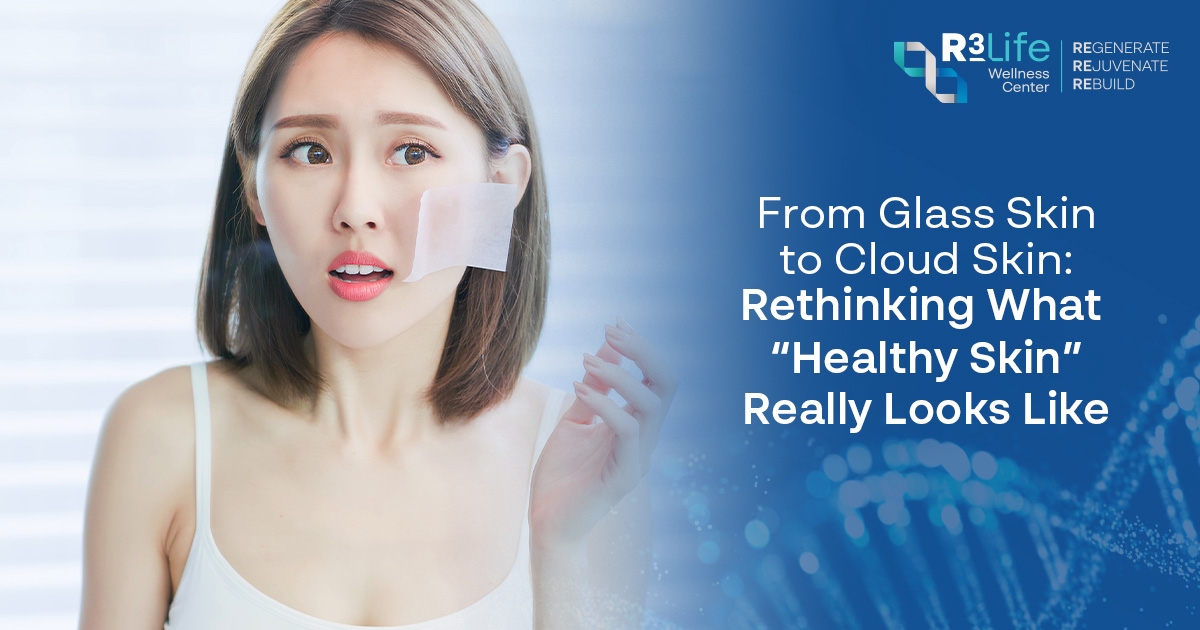
From Glass Skin to Cloud Skin: Rethinking What “Healthy Skin” Really Looks Like
For years, the idea of “beautiful skin” has been closely tied to the concept of Glass Skin
skin that appears flawlessly smooth, glossy, and reflective, almost like glass.
Over time, many of us unconsciously adopted the belief that
the shinier the skin, the healthier it must be.
But today, the worlds of skin quality and aesthetic medicine are beginning to challenge that definition.
A new concept is emerging, one that shifts the conversation forward: Cloud Skin.
Cloud Skin is not a beauty trend born from fashion or fleeting aesthetics.
It comes from questioning our long-held assumptions about what “good skin” truly means,
and from looking beyond surface-level glow.
The focus is moving away from asking, “Does the skin look good?”
toward a more meaningful question: “Is the skin genuinely healthy?”
Because truly healthy skin today doesn’t need to reflect light.
It’s defined by balance, density, refined texture,
and the skin’s ability to regenerate and restore itself from within.
.jpg)
What Is Cloud Skin And How Is It Different from Glass Skin?
Cloud Skin doesn’t aim to make skin shinier.
It refers to skin that appears soft, plump, balanced, and naturally radiant, with light gently diffused across the face much like sunlight passing through clouds.
To put it simply:
- Glass Skin reflects light
- Cloud Skin diffuses light
This distinction matters more than it seems.
It reflects two very different levels of skin quality, not just two different visual effects.
Shiny Skin Doesn’t Always Mean Healthy Skin
One of the most common misconceptions in skincare is the belief that:
“If skin looks glossy, it must be healthy.”
In reality, shine can come from several factors that have little to do with skin health, such as:
- Excess oil production
- Superficial inflammation
- Temporary surface-coating products
These may create short-term visual appeal, but they say very little about the skin’s ability to repair, recover, and maintain balance.
This is where the Cloud Skin concept shifts the focus from asking:
“How shiny does my skin look?”
to:
“How well does my skin restore and regulate itself?”
.jpg)
Cloud Skin Reflects Skin Behavior, Not Just Appearance
From a biological perspective, Cloud Skin is the result of how skin behaves over time, not how it looks under lighting or filters.
Skin that aligns with the Cloud Skin profile often shares these characteristics:
- Evenly distributed hydration not just surface-level glow
- Soft, elastic texture with good rebound
- Balanced skin tone without harsh or oily shine
- Healthy appearance in real life, not only on camera
These traits indicate that the skin’s structure, hydration systems, and regenerative mechanisms are working in harmony.
What If You Don’t Want Aesthetic Procedures But Want Cloud Skin?
As people begin to view skin through the Cloud Skin lens, a new question naturally arises:
If healthy skin is about regeneration and balance, do I always need procedures?
The answer is: not necessarily.
Many individuals who maintain healthy, resilient skin long-term even without frequent aesthetic procedures do so because their skin already has a strong recovery capacity.
Not because they do less, but because they understand what their skin actually needs and avoid pushing it beyond its natural limits.
.jpg)
Common Misconceptions That Lead to Poor Skin Decisions
Misconception #1: No procedures = not enough care
True skincare isn’t about doing more, it's about aligning care with the skin’s natural recovery rhythm.
Misconception #2: Good skin must show fast, dramatic results
Long-term skin quality is usually built through stability, resilience, and consistency, not rapid transformation.
Misconception #3: Problems can be fixed later
Skin that struggles to recover with age often shows signs of having been overworked for years without balanced support.
Better Questions to Ask About Your Skin
Instead of asking:
“Which aesthetic treatment should I do next?”
Consider asking:
- How quickly does my skin recover after irritation?
- Does my skin return to balance on its own?
- Are results lasting longer or fading faster over time?
These questions don’t have fixed answers, but they lead to smarter, more personalized skin decisions.
Conclusion: Cloud Skin Is Not a Trend It’s a New Direction in Beauty
Cloud Skin doesn’t reject aesthetic procedures, nor does it promote avoiding them altogether.
It reframes the definition of beauty by shifting focus from shine and quantity of treatments to skin resilience and regenerative capacity.
When skin is viewed this way, skincare becomes less about urgency and more about understanding.
Personalized Skin Health at R3 Life Wellness Center
At R3 Life Wellness Center, we believe that lasting skin quality begins with understanding the individual behind the skin.
This includes:
- Skin condition
- Lifestyle factors
- Overall health
- Short- and long-term goals
If you’re curious about:
- Where your skin currently stands
- Its true recovery potential
- And how to care for it in a way that aligns with you
You’re welcome to consult with our medical team free of charge to design a personalized skin and wellness plan guided by the principles behind Cloud Skin and regenerative care.
FAQ
1. What is the difference between Cloud Skin and Glass Skin?
Answer: The main difference between Cloud Skin and Glass Skin lies in how the skin interacts with light and how it functions biologically.
Glass Skin reflects light from the surface, often due to oil, hydration on the top layer, or temporary product effects. Cloud Skin, on the other hand, diffuses light evenly because the skin has balanced hydration, strong structure, and good regenerative capacity.
Cloud Skin is less about shine and more about long-term skin health, resilience, and recovery.
2. Is Cloud Skin achievable without aesthetic procedures?
Answer: Yes, Cloud Skin can be achieved without aesthetic procedures for many individuals.
Cloud Skin is not created by treatments alone but by the skin’s ability to maintain balance, recover from stress, and regenerate over time.
Lifestyle factors, skincare habits, internal health, and understanding the skin’s recovery rhythm all play a critical role. Aesthetic procedures can support this process, but they are not always necessary.
3. How do I know if my skin has good regenerative capacity?
Answer: Skin with good regenerative capacity typically recovers quickly after irritation, maintains stable hydration, and shows consistent results over time rather than fluctuating dramatically.
Signs include minimal sensitivity, even skin tone, good elasticity, and results from skincare or treatments that last longer.
Assessing skin regeneration often requires a personalized evaluation, considering lifestyle, stress levels, and overall health not just appearance.
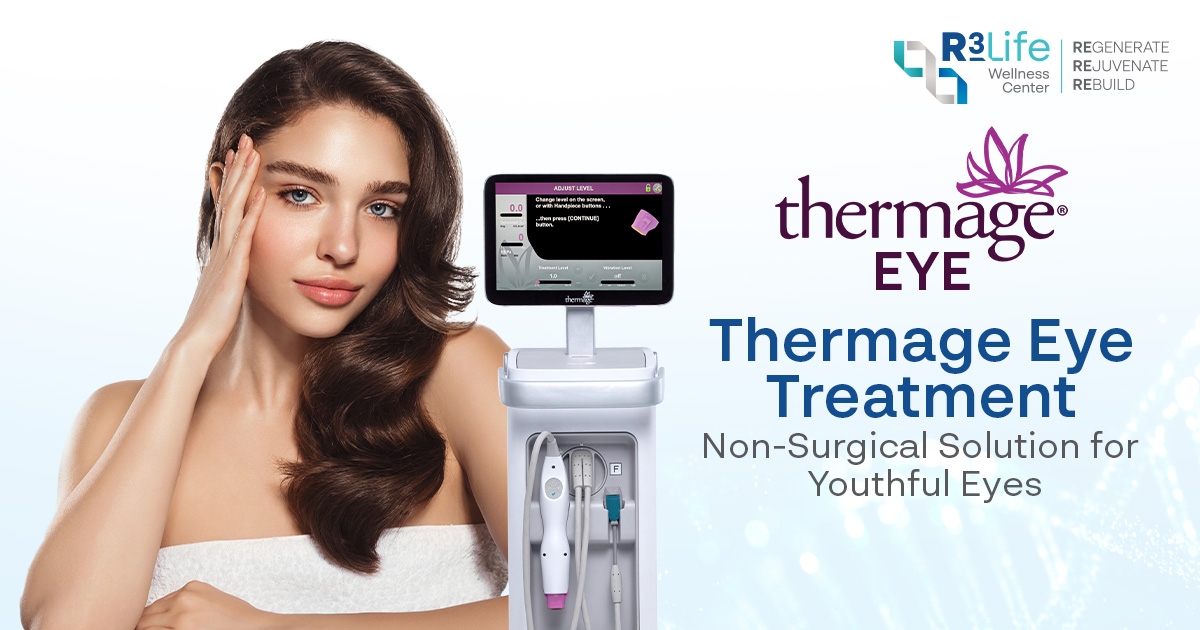
 Thermage Eye Treatment: Non-Surgical Solution for Youthful Eyes