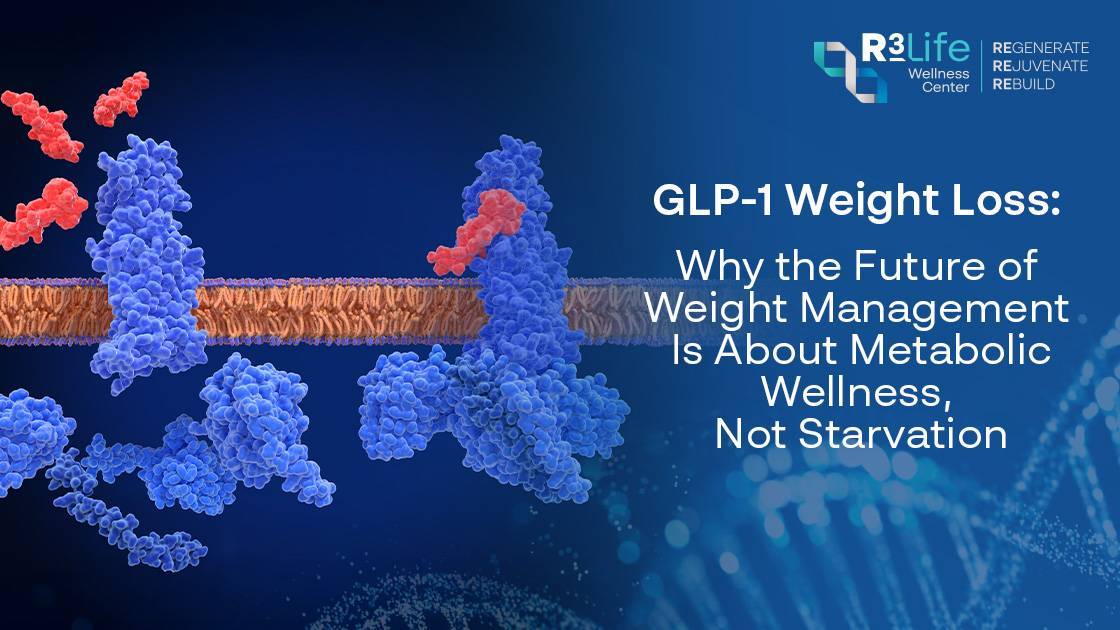
GLP-1 Weight Loss: Why the Future of Weight Management Is About Metabolic Wellness, Not Starvation
Summary
- GLP-1 weight loss treatments work through appetite regulation and metabolic signaling, not traditional stimulant-based weight loss methods
- Modern weight management is shifting from diet culture toward metabolic wellness and sustainable health
- Safe weight loss should prioritize body composition, muscle preservation, recovery, and long-term metabolic health
- GLP-1 medications should be used under close physician supervision to monitor safety, side effects, and nutritional health
Extremely cheap GLP-1 injection programs may raise concerns about medication quality, storage standards, and injection safety practices
GLP-1 Weight Loss: Why the Future of Weight Management Is About Metabolic Wellness, Not Starvation
For years, weight loss was treated as a matter of discipline alone. People were taught that if they wanted a better body, they simply needed to eat less, exercise more, and control themselves harder.
Diet culture turned weight loss into a cycle of calorie counting, guilt, and constant pressure to fight against the body.
But today, the conversation around weight management is beginning to change.
Instead of asking: “How can I lose weight as fast as possible?”
More people are starting to ask: “How can I lose weight safely while still supporting my long-term health?”
This shift is one reason why GLP-1 weight loss treatments have become one of the biggest topics in preventive healthcare, metabolic wellness, and aesthetic medicine.
What Is GLP-1 and How Does It Work?
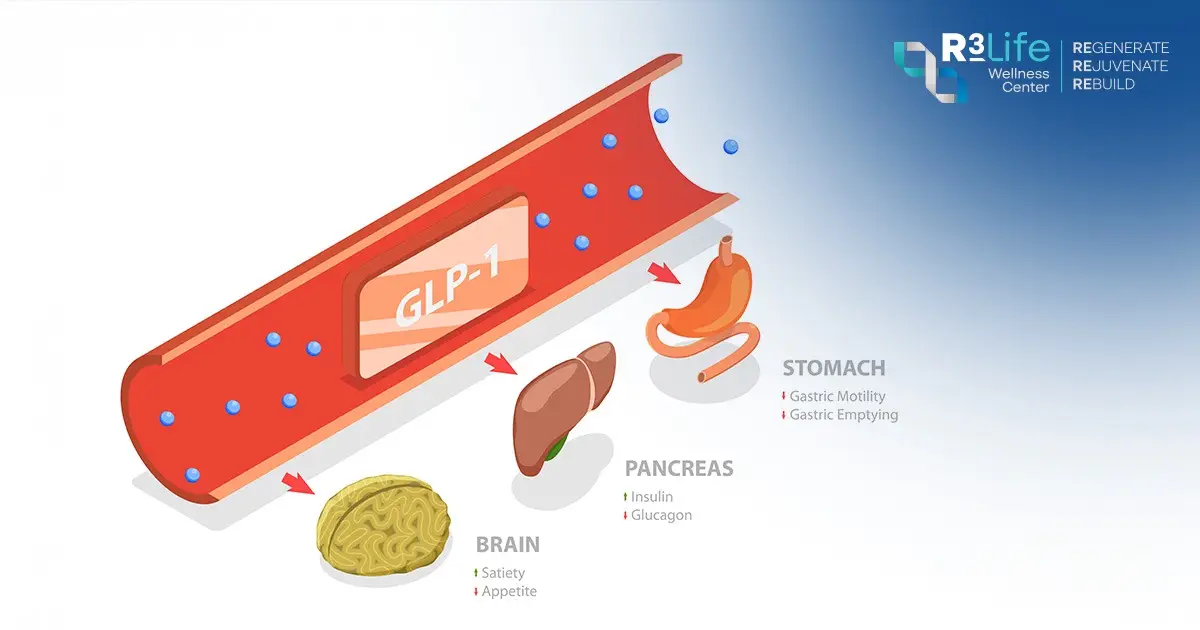
GLP-1, or Glucagon-like peptide-1, is a hormone naturally produced by the body. It plays an important role in blood sugar regulation, appetite control, and metabolic health.
GLP-1 receptor agonists are medications designed to mimic this hormone. They work by:
- increasing feelings of fullness
- slowing gastric emptying
- helping regulate appetite
- and supporting glucose balance
This is why GLP-1 medications are increasingly used in medical weight loss programs. Unlike traditional diet pills, GLP-1 weight loss treatments interact directly with the body’s appetite regulation and metabolic signaling systems.
However, experts increasingly emphasize that successful weight loss should not be measured only by how quickly the number on the scale goes down.

Weight Loss Should Not Come at the Expense of Health
Rapid weight loss may sometimes lead to:
- muscle loss
- chronic fatigue
- hormonal imbalance
- poor sleep quality
- nutrient deficiencies
- or long-term metabolic stress
This is why body composition and metabolic wellness are becoming more important than weight alone.
A healthy body should not come at the cost of losing strength, energy, or recovery capacity.
The future of aesthetic wellness is shifting away from extreme dieting and toward sustainable weight management that supports overall health.
Why GLP-1 Weight Loss Should Be Physician-Supervised
GLP-1 medications are not cosmetic shortcuts.
Because they affect appetite, blood sugar, digestion, and metabolism, GLP-1 weight loss treatments should always be monitored by qualified medical professionals.
Physician-supervised weight loss is important not only for monitoring body weight, but also for evaluating:
- metabolic health
- muscle mass
- nutritional status
- medical history
- medication interactions
- and potential side effects
Everybody responds differently. Safe and sustainable weight loss requires individualized medical assessment and ongoing monitoring.
Cheap GLP-1 Programs May Raise Important Safety Questions
As demand for GLP-1 weight loss programs continues to rise, many low-cost injection programs have started appearing in the market.
But when pricing seems unusually cheap, the most important question may not be: “How much can I save?”
Instead, it may be: “What compromises are being made behind the scenes?”
Patients should consider:
- where the medication comes from
- whether the product is properly stored
- whether a physician evaluates patients before treatment
- and whether injection safety standards are followed correctly
One important but often overlooked issue is whether injection devices are truly intended for single-patient use.
In medical practice, injection pens, syringes, and needles should never be shared between individuals, even if the needle is changed. Improper injection practices may increase the risk of contamination and infection.
This is why choosing a medically supervised GLP-1 weight loss program is about far more than convenience or price alone.

The Future of Weight Loss Is Metabolic Wellness
Today, the future of weight management is moving away from starvation, punishment, and obsessive calorie restriction.
Instead, modern wellness increasingly focuses on:
- metabolic health
- hormone balance
- sleep quality
- nervous system regulation
- recovery
- and sustainable body composition
Because true wellness is not about becoming smaller at any cost.
It is about building a body that:
- functions well
- recovers properly
- maintains energy
- and supports long-term health
Ultimately, the healthiest body may not be the thinnest one but the one that is balanced, resilient, and sustainable over time.

 ProFloraMax Tetrabiotics | Advanced Gut Health Beyond Probiotics