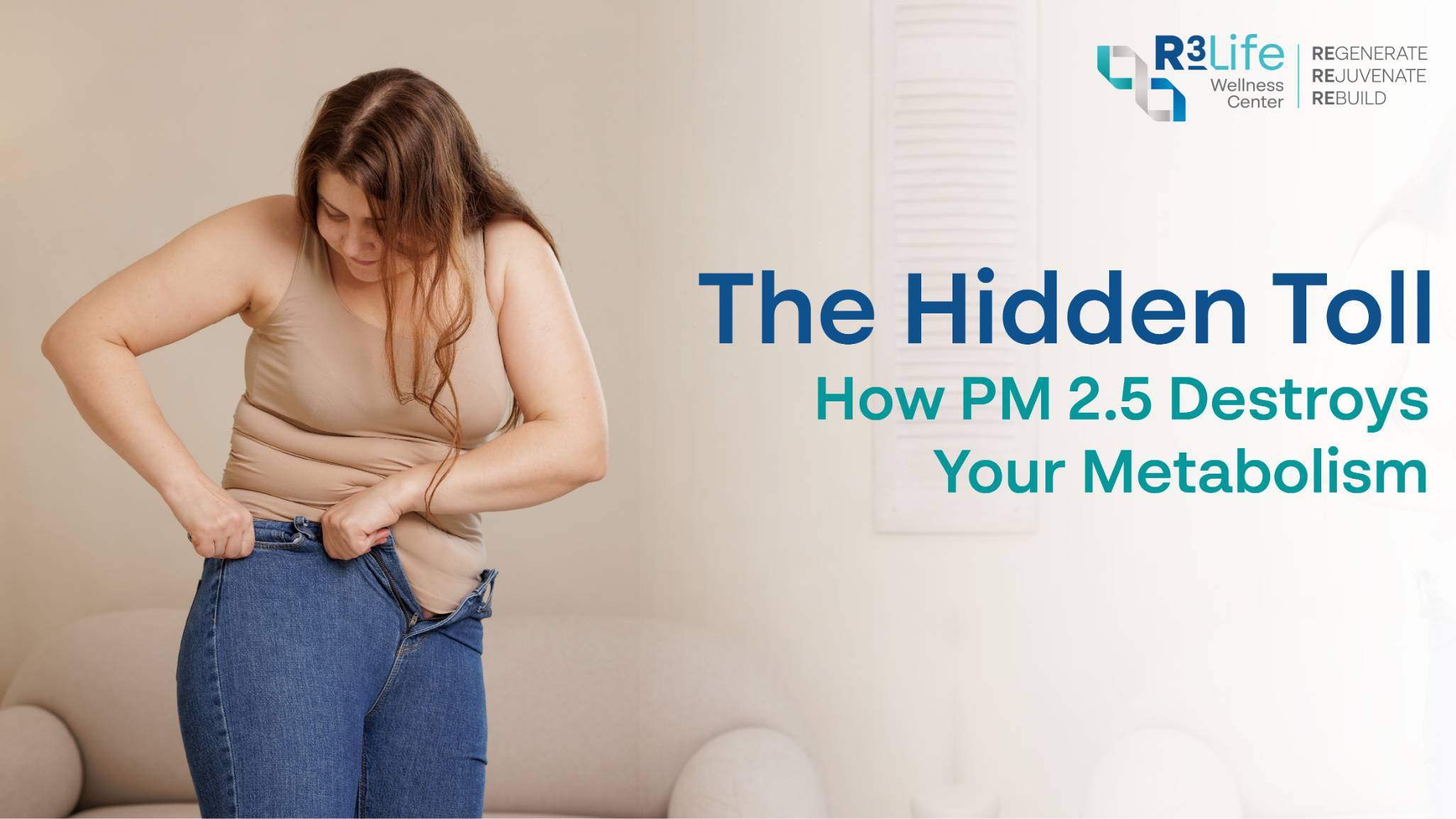
The Hidden Toll — How PM 2.5 Destroys Your Metabolism
KEY TAKEAWAYS
- PM2.5 doesn't just damage your lungs. These microscopic particles enter your bloodstream and affect organs throughout your body, including your liver, pancreas, and fat tissue.
- Research links PM2.5 exposure to insulin resistance, with studies showing measurable increases in HOMA-IR (a key marker of metabolic dysfunction) even at relatively low pollution levels.
- Across Asia, air pollution peaks between November and March, with PM2.5 levels in major cities often surging to three times above international safety thresholds.
- Chronic exposure triggers systemic inflammation and oxidative stress, which disrupt how your body processes glucose and stores fat.
- Warning signs include unexplained fatigue, difficulty losing weight, blood sugar fluctuations, and brain fog, symptoms often dismissed as stress or aging.
- Evidence-based detox approaches like Ozone Therapy and Chelation Therapy help eliminate accumulated toxins, reduce oxidative stress, and support metabolic recovery.
Quick Summary
Most people see air pollution as a lung issue—coughing, asthma, breathing problems. But PM2.5 does far more than affect your lungs. These microscopic particles pass into the bloodstream, reach major organs, and trigger inflammation, oxidative stress, and metabolic disruption. Research now links chronic PM2.5 exposure to insulin resistance, a condition that makes it harder for your body to regulate blood sugar and manage weight.
If you live or work in Bangkok, exposure is unavoidable. During peak pollution months, air quality often exceeds safe limits by two to three times. The real question isn’t whether pollution has affected your body—but how much, and what you can do about it.
The Systemic Impact of PM2.5
Its size is what makes PM2.5 so dangerous. Larger particles get trapped in your nose, throat, or upper airways — PM2.5 bypasses those defences entirely. It reaches the deepest parts of your lungs, crosses into your bloodstream, and circulates throughout your body.
Once PM2.5 particles enter the bloodstream, they act as carriers for toxic compounds such as heavy metals (lead, cadmium), polycyclic aromatic hydrocarbons (PAHs), and other industrial pollutants. These toxins can accumulate in organs and tissues, triggering long-term damage through two key mechanisms:
- Systemic inflammation: The immune system treats these particles as ongoing threats, creating chronic, low-grade inflammation that gradually damages healthy tissue.
- Oxidative stress: PM2.5 generates free radicals that damage cell membranes, proteins, and DNA, overwhelming the body’s natural antioxidant defenses.
Together, these processes explain why air pollution is linked to far more than respiratory illness. Long-term exposure is associated with cardiovascular disease, neurological decline, liver dysfunction, and metabolic disorders, including type 2 diabetes.
How Pollution Destroys Your Metabolism
Your metabolism is the collection of chemical processes that convert food into energy. It depends on precise hormonal signalling, particularly insulin, which tells your cells to absorb glucose from your bloodstream.
PM2.5 disrupts metabolism at multiple points:
- Insulin resistance: Chronic inflammation blunts insulin signaling, so cells absorb less glucose. Blood sugar stays high while cells lack energy. A 2023 meta-analysis found each 1 μg/m³ increase in PM2.5 raised HOMA-IR by 0.40%.
- Liver dysfunction: PM2.5 promotes fat buildup in the liver and disrupts glucose regulation. Pollution exposure is linked to non-alcoholic fatty liver disease (NAFLD).
- Fat tissue inflammation: Body fat acts as an endocrine organ. PM2.5 triggers inflammation in adipose tissue, driving weight gain and making fat loss harder.
- Mitochondrial damage: Pollution-related oxidative stress impairs mitochondria, reducing energy production and slowing metabolism—leading to fatigue and increased fat storage.
Warning Signs Your Body Is Affected

Metabolic damage from pollution rarely shows up as one clear red flag—it creeps in and gets brushed off as stress or “just getting older.” You might notice persistent fatigue (especially afternoon slumps), brain fog, sugar crashes or cravings, and getting sick more often as blood sugar regulation, mitochondria, and immune function take a hit.
Over time, insulin resistance can make weight loss frustrating, drive belly fat gain even without major weight changes, and show up on your skin as dullness, sensitivity, or slower healing. If you live in Bangkok and recognize several of these patterns, pollution exposure is a factor worth investigating—and testing is the first step.
Supportive Strategies for Metabolic Resilience
Chronic exposure to PM2.5 requires more than just avoidance; it requires supporting your body’s internal defenses. The following therapies are used in integrative medicine to address the cellular "fallout" of air pollution.
Ozone Therapy
Instead of just taking a vitamin, this therapy helps "re-train" your cells to protect themselves.
- The Mechanism: Introducing a controlled, medical-grade "oxidative spark" triggers your body’s master switch for protection (the Nrf2 pathway).
- The Result: Clinical studies suggest that your body possesses a sophisticated internal defense system capable of 'ramping up' its own production of vital antioxidants. By boosting levels of Glutathione and SOD at the cellular level, these biological processes help support reduction of oxidative stress and inflammation
- Cellular Energy: By improving oxygen delivery and mitochondrial function, it helps counteract the "metabolic sluggishness" caused by long-term pollution exposure.
Organ & Detoxification Support
Environmental toxins like heavy metals can put a heavy load on your natural filtration systems.
- Microcirculation: Modern therapies help improve blood flow to the liver and kidneys, ensuring these organs have the oxygen and nutrients they need to filter metabolic waste effectively.
- Total Body Burden: For those with documented high levels of heavy metals (like lead or cadmium carried by PM2.5), clinical Chelation Therapy can be used to bind these metals and safely remove them from the body.
Because this affects mineral balance, Chelation Therapy should only be performed under medical supervision following a heavy metal screening (OligoScan Testing).
Reducing Systemic Inflammation
To fix your metabolism, you must first "calm" the immune system’s overreaction to inhaled particles.
- Immune Modulation: These therapies help lower pro-inflammatory "alarm signals" (cytokines) in the blood.
- The Goal: Moving the body from a state of "constant attack" to a state of repair, making it easier to manage weight effectively.
Supporting Therapies

Effective detoxification often requires multiple approaches working together:
- Liver Pure Detox IV: Supports liver function during the detoxification process. Your liver processes and neutralises toxins, so optimising its performance is essential.
- Super Anti-Oxidant IV: Delivers high-dose antioxidants directly into your bloodstream, helping neutralise free radicals and reduce oxidative stress. This is particularly relevant for addressing insulin resistance markers.
- Stress OxiShield & Relief IV: Formulated to address heavy metal toxicity while replenishing essential nutrients that support cellular repair and energy production.
The specific combination depends on your test results and symptoms. A Toxic Panel identifies which pollutants and heavy metals have accumulated in your system, allowing for targeted treatment.
Who Should Consider a Detox Program
Medical detoxification isn’t necessary for everyone, but risk increases with regular exposure to air pollution, especially if you live or work in high-pollution areas, spend time near traffic or construction, or were in Thailand during peak pollution season (roughly November to March). Ongoing PM2.5 exposure raises the chance of toxin buildup that can quietly affect metabolic health.
Testing and treatment are more relevant if you:
- Have unexplained symptoms (fatigue, weight changes, blood sugar issues, brain fog)
- Have pre-existing metabolic conditions
- Are planning a pregnancy
- Want to be proactive after years of urban exposure
A toxic panel is a practical first step to identify what’s in your system and determine whether treatment is needed.
FAQ
Q: How do I know if PM 2.5 has affected my metabolism?
A: Symptoms like unexplained fatigue, difficulty losing weight, blood sugar fluctuations, and brain fog may indicate metabolic disruption. However, the only way to confirm pollution-related toxin accumulation is through testing.
Q: Is detox the same as a juice cleanse or supplement protocol?
A: No. Medical detoxification involves clinical interventions like Ozone Therapy and Chelation Therapy, performed under physician supervision. Unlike consumer products that primarily provide mild support for your organs, these medical treatments are designed to address deeper issues.
Q: How often should I test for toxins?
A: For Bangkok residents, testing every 1–2 years, ideally during or after pollution season, is generally sufficient for ongoing monitoring.
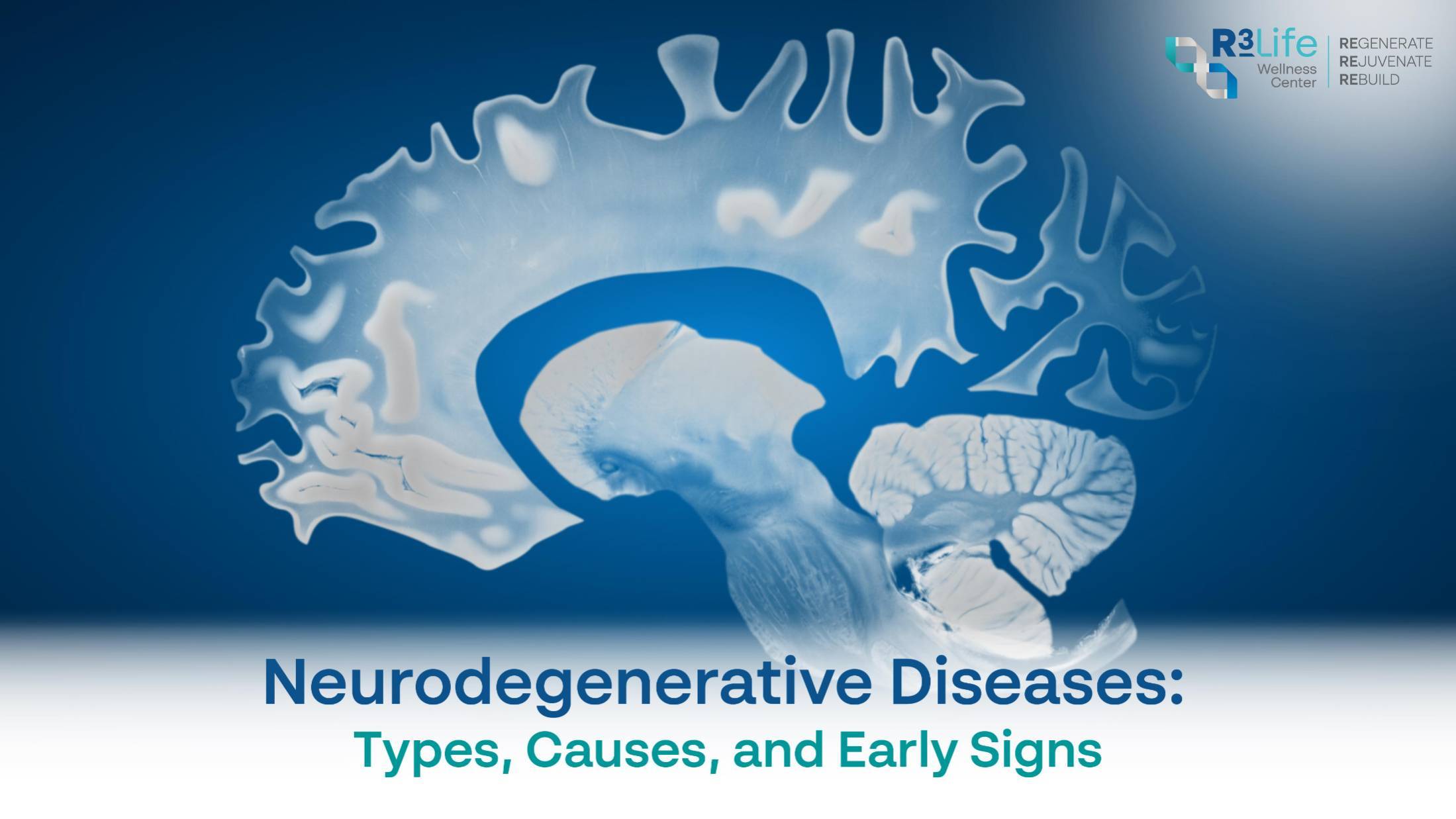
 Neurodegenerative Diseases: Types and Early Signs