
Not Overweight, Don’t Drink — Can You Still Have Fatty Liver? | R3 Life
Lean Fatty Liver: You Can Still Be at Risk Even If You’re Not Overweight or a Drinker
5 Key Things to Know
- Fatty liver does not only affect people with obesity. An analysis using the previous NAFLD definition found that around 19% of people with the condition were classified as lean.
- People of Asian ancestry may still be at risk even at a lower BMI. In the context of lean NAFLD, the AGA uses a BMI below 23 kg/m² to define lean status in Asian individuals.
- Fatty liver may cause no obvious symptoms, and liver enzymes within the reference range do not completely rule out fatty liver or liver fibrosis.
- The key question is not only whether fat is present in the liver, but also whether metabolic risk factors and liver fibrosis may be present.
- Nutrition, regular physical activity and metabolic health management remain important, but the right goal should be individualized rather than assuming every lean person needs to lose weight.
“I’m not overweight and I don’t drink, so I probably don’t have fatty liver.”
It is an understandable assumption, especially when annual health check results do not show abnormal liver enzymes. But body shape or a single blood test does not tell the whole story of liver health.
An analysis of 93 studies from 24 countries and regions, using the previous NAFLD definition, found that approximately 19.2% of people with NAFLD were lean and 40.8% were non-obese. This highlights an important point: people who appear lean on the outside can still accumulate fat in the liver.
What Are Fatty Liver and MASLD?
Many people are familiar with the term NAFLD (Nonalcoholic Fatty Liver Disease). Today, the term MASLD (Metabolic Dysfunction-Associated Steatotic Liver Disease) is used when fat accumulation in the liver is present together with at least one cardiometabolic risk factor, such as abnormal blood glucose, blood pressure, waist circumference, or blood lipids.
However, finding fat in the liver does not mean every person has the same condition. A physician may still need to consider alcohol intake, medications, other liver diseases, and additional causes, while also assessing the risk of liver fibrosis.
In simple terms, finding liver fat is the beginning of an assessment, not the end of the diagnosis.
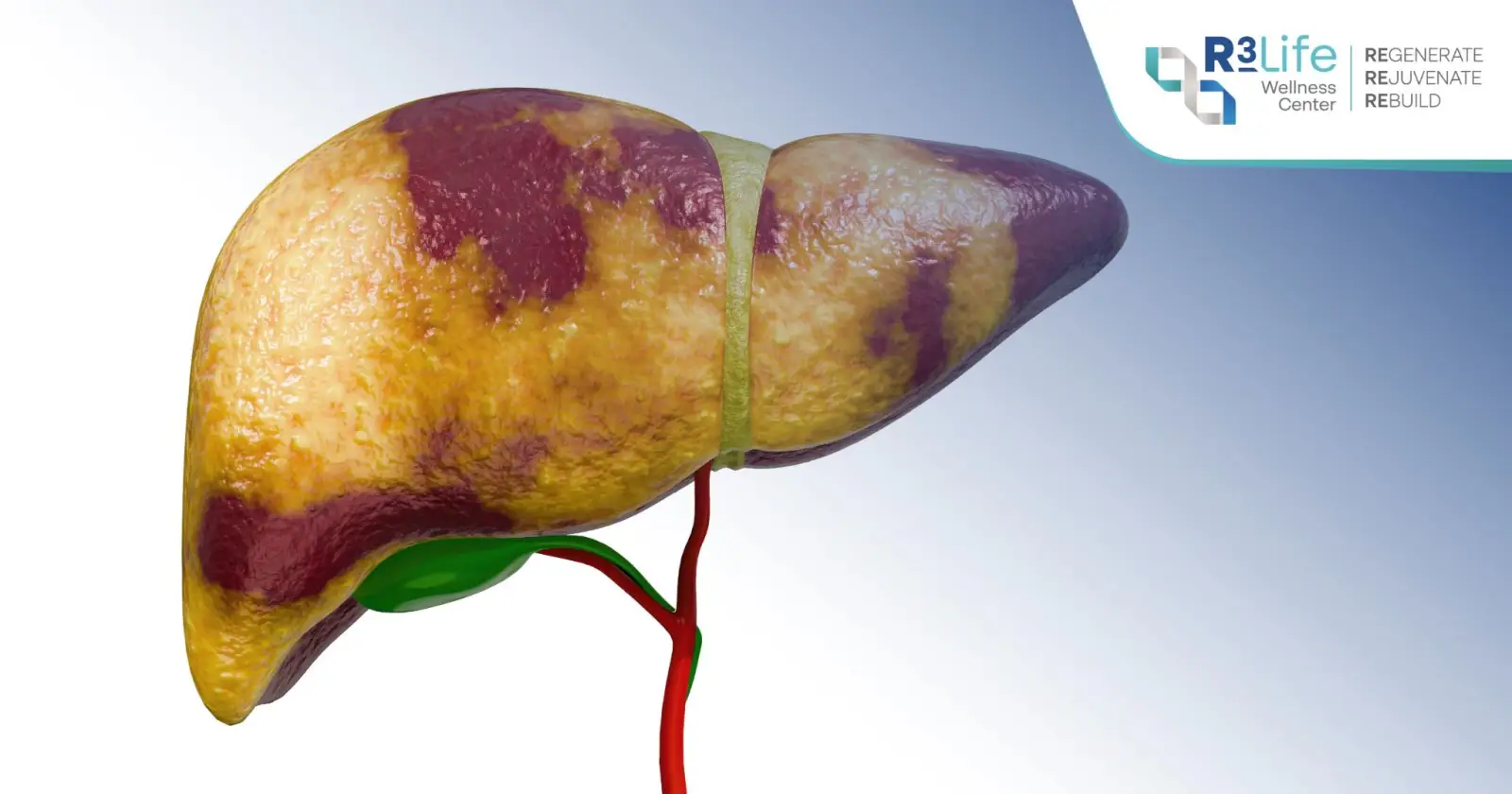
Why Can Lean People Develop Fatty Liver?
In the context of lean NAFLD, the American Gastroenterological Association (AGA) uses a BMI below 23 kg/m² for Asian individuals to define the lean group. This helps illustrate why liver and metabolic risk should not be judged by body weight alone.
Some people may have a normal body weight but still carry more visceral fat around the internal organs, have relatively low muscle mass, insulin resistance, abnormal blood lipids, or genetic factors associated with liver fat accumulation.
Being lean also does not mean the condition is unimportant. People with lean NAFLD can still have increased risks related to cardiovascular health, liver disease, and long-term health outcomes compared with people without NAFLD, although individual risk varies.
No Symptoms and Normal Liver Enzymes — How Would You Know?
Early fatty liver can develop without obvious symptoms, which is why some people first discover it during routine health screening or medical imaging.
Importantly, ALT or AST levels within the reference range do not completely rule out fatty liver or liver fibrosis. These results should be considered alongside risk factors and other assessments when clinically appropriate.
People with type 2 diabetes, prediabetes, abnormal blood lipids, high blood pressure, increasing waist circumference, or a previous finding of fatty liver may benefit from discussing their overall risk with a physician even if they feel well and their liver enzymes are not elevated.
How Are Ultrasound, FIB-4 and FibroScan Different?
Each assessment answers a different question.
Abdominal Ultrasound provides images of the liver and may show features associated with fat accumulation or other abnormalities. However, it has limitations when the amount of liver fat is relatively small.
FIB-4 is a score calculated using age, AST, ALT and platelet count. It is used to help estimate the risk of liver fibrosis rather than directly determine whether liver fat is present.
FibroScan, or Vibration-Controlled Transient Elastography, measures liver stiffness to help assess fibrosis. When CAP (Controlled Attenuation Parameter) is available, it can also provide additional information related to liver fat.
The question is therefore not “Which test is best?” but rather “What are we trying to understand about the liver right now?” A physician can interpret the findings alongside medical history, risk factors and other health information.

If Fatty Liver Is Found, Do Lean People Need to Lose Weight?
Not everyone does, and aggressive weight loss is not appropriate for everyone.
AGA guidance for lean NAFLD recommends lifestyle measures including nutrition and regular physical activity. In selected individuals, a modest weight-loss target of approximately 3–5% may help reduce liver fat, but this should not be applied automatically to every lean person, particularly those who are underweight or at risk of losing muscle mass.
What matters more than the number on the scale is overall metabolic health. This may include regular physical activity, preserving muscle mass, reducing sugar-sweetened drinks, choosing a balanced diet, and managing diabetes, blood pressure or abnormal lipids when present.
Take Care of Your Liver Before Symptoms Appear at R3 Life
At R3 Life, liver health care begins by asking what risks you may have, rather than starting with a treatment program.
A physician can consider your medical history, lifestyle, alcohol intake, medications, blood glucose, blood lipids, blood pressure, body composition and previous test results to determine whether further assessment may be appropriate and where care should begin.

For people interested in IV therapy as supportive wellness care, R3 Life offers options in its Liver Health category, including Liver Health IV Drip, Liver Detox IV Drip, Liver Fortify Plus IV Drip, Liver Pure Detox IV Drip and Liver Protect IV Push. A physician will assess suitability on an individual basis before treatment.
IV therapy is not a substitute for MASLD assessment or treatment, and IV therapy alone should not be expected to reduce liver fat or liver fibrosis. If an abnormality is identified, management of metabolic risk factors and appropriate medical follow-up remain fundamental.
Frequently Asked Questions
1. If my liver enzymes are normal, does that mean I do not have fatty liver?
Not necessarily. Liver enzymes within the reference range do not completely rule out liver fat accumulation or fibrosis. If risk factors are present, a physician may consider whether further assessment is appropriate.
2. Can I have a fatty liver even if I do not drink alcohol?
Yes. Liver fat can be associated with metabolic risk factors even in people who do not drink alcohol. A physician should still consider alcohol intake and other possible causes of liver fat accumulation as part of the assessment.
3. What is the difference between Ultrasound and FibroScan?
A standard ultrasound provides images of the liver and may show signs associated with fat accumulation, although it has limitations when the amount of fat is small. FibroScan measures liver stiffness to help assess fibrosis, and when CAP is available, it can also provide additional information related to liver fat.

 Insomnia: Why Sleep Quality Matters More Than You Think and How to Improve It