Family History of Cancer? Why BRCA Testing is Essential
Quick Summary
If cancer runs in your family, genetic testing for BRCA mutations could help you understand your risk and take preventive action. BRCA1 and BRCA2 gene mutations can increase breast cancer risk up to 87% and ovarian cancer risk up to 44%. Early testing allows for enhanced screening, lifestyle changes, and preventive options like NK Cell Therapy to strengthen your body's natural cancer defense.
Quick Facts:
- 5-10% of cancers are hereditary, often linked to BRCA gene mutations
- BRCA mutations can increase breast cancer risk up to 87% and ovarian cancer risk up to 44%
- NK cells are your immune system's natural cancer-fighting soldiers that destroy abnormal cells 24/7
- NK Cell Therapy boosts your body's natural defense, especially beneficial for those with family history of cancer
When your grandmother, mother, or sister receives a cancer diagnosis, it often triggers a cascade of questions that extend far beyond immediate treatment concerns. If you have a family history of cancer, "Could this happen to me?" becomes more than just a worry and transforms into a driving force to take proactive action through genetic testing and preventive care.
The relationship between family history of cancer and your personal risk isn't just about shared genes; it's about understanding patterns that have been quietly weaving through your family tree for generations. While genetic factors like BRCA mutations can increase cancer risk.
Want to understand your cancer risk? Learn more about genetic testing options and how BRCA testing can help you make informed decisions about your health.
What is a Family History of Cancer?
A family history of cancer extends beyond simply knowing that a relative had "some type of cancer." Medical professionals look for specific patterns: the types of cancer, ages at diagnosis, which side of the family is affected, and how many relatives were diagnosed. Understanding your family history of cancer is the first step toward making informed decisions about genetic testing and prevention.
Consider Sarah, whose maternal grandmother died of ovarian cancer at 45, whose mother battled breast cancer at 38, and whose aunt was diagnosed with breast cancer at 42. This pattern offamily history of cancer suggests something more than coincidence and hints at a possible BRCA mutation that warrants genetic testing for further investigation.
Healthcare providers typically focus on first- and second-degree relatives (parents, siblings, children, grandparents, aunts, uncles) when assessing your family history of cancer. If you're wondering how to get BRCA testing, documenting this family history is an essential first step.
Understanding Hereditary Cancer and BRCA Genetic Mutations
Most cancers happen by chance, but 5-10% are hereditary, passed down through families via gene mutations. Genetic testing helps identify these inherited gene faults, allowing you to take proactive steps to protect your health. For those with a strong family history of cancer, genetic testing can be life-saving.
According to the National Cancer Institute, hereditary cancer syndromes account for approximately 5-10% of all cancer cases, with BRCA1 and BRCA2 mutations being among the most studied genetic factors. (Source: National Cancer Institute, 2023)
BRCA1 and BRCA2 are the most well-known cancer genes detected through genetic testing. When working normally, these BRCA genes repair DNA damage and prevent tumor formation. However, inherited BRCA mutations can give women up to 87% lifetime breast cancer risk and 44% ovarian cancer risk.
Other hereditary cancer syndromes detectable through genetic testing include:
- Lynch Syndrome (colon and endometrial cancers)
- Li-Fraumeni Syndrome (multiple cancer types)
- Cowden Syndrome (breast and thyroid cancers)
The human body is a delicate matter. Even identical twins require different medical care. We recommend consulting a doctor first to discuss the pros and cons in detail.
How Genetic Testing Works
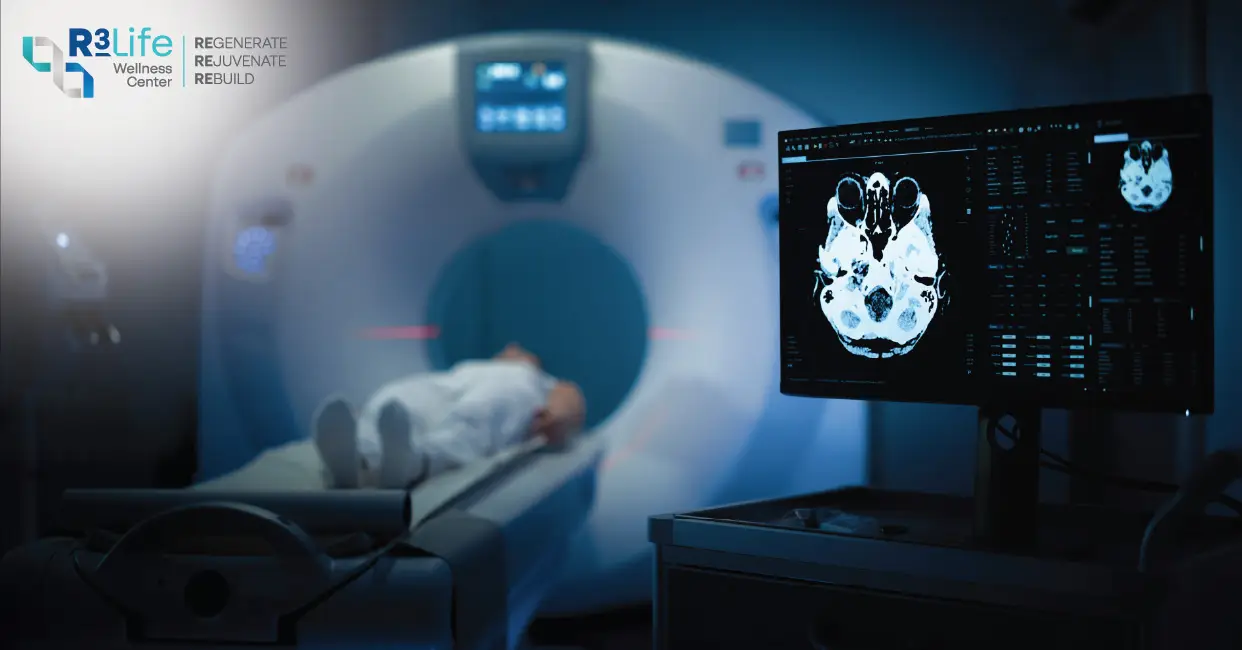
Modern genetic testing analyzes blood or saliva samples to identify inherited mutations like BRCA. The genetic testing process typically includes
- Pre-test genetic counseling
- Sample collection (blood or saliva)
- Laboratory analysis (2-4 weeks)
- Results interpretation
- Development of management recommendations
Results
- Positive means a mutation is detected, indicating increased cancer risk that requires proactive management
- Negative means no mutation was found in the tested genes
- VUS (Variant of Uncertain Significance) refers to genetic changes detected, but their impact on cancer risk is not yet clearly determined.
Who Should Consider genetic testing?
Not everyone needs genetic testing. Professional guidelines identify candidates most likely to benefit from BRCA testing:
- Strong family history of cancer suggesting hereditary syndromes
- Personal cancer diagnoses at young ages
- Multiple primary cancers in one individual
- Ashkenazi Jewish, Icelandic, or Norwegian ancestry (higher BRCA mutation rates)
- Male breast cancer in the family (often linked to BRCA mutations)
- Known BRCA or other family mutations
How to get BRCA testing typically starts with discussing your family history of cancer with your healthcare provider, who may refer you to a genetic counselor or order genetic testing directly at a certified laboratory.
Concerned about your family history? Consult with our specialists at R3 Life Wellness Center to discuss whether genetic testing is right for you.
Understanding Your Results and Next Steps
Positive genetic testing results don't guarantee cancer development but enable proactive management. BRCA mutation carriers benefit from enhanced screening and prevention strategies based on their genetic testing results.
For women:
- Annual mammography and breast MRI starting at age 25-30
- Clinical breast exams every 6 months
- Risk-reducing surgery consideration
- Enhanced ovarian cancer screening or preventive surgery
For men with BRCA mutations:
- Annual clinical breast exams
- Prostate cancer screening starting at age 40
- Awareness of increased pancreatic cancer risk

Why NK Cell Therapy for High-Risk Individuals?
While genetic predispositions like BRCA mutations identified through genetic testingincrease cancer risk, NK Cell Therapy provides an additional layer of protection by strengthening your body's natural surveillance system. This therapy is particularly beneficial for those who:
1. Have a family history of cancer and want proactive prevention
2. Are BRCA mutation carriers (confirmed through genetic testing) seeking additional protection
3. Want to enhance their immune system's cancer-fighting capabilities
4. Are looking for non-invasive preventive options
How NK Cell Therapy Works
NK Cell Therapy involves collecting, activating, and multiplying your body's natural killer cells, then reintroducing them at higher concentrations. This enhanced NK cell army provides stronger surveillance against abnormal cell growth, helping prevent cancer development at its earliest stages.
Natural Killer (NK) cells are a type of white blood cell that plays a critical role in your immune system's first line of defense. Unlike other immune cells that require prior exposure to recognize threats, NK cells can identify and destroy abnormal cells. including cancer cells—on first contact, making them essential for cancer prevention.
Take Control of Your Cancer Risk with R3 Life Wellness Center
At R3 Life Wellness Center, we specialize in NK Cell Therapy and advanced immune system optimization for individuals with a family history of cancer or positive BRCA genetic testing results. Our center partners with Thailand's leading laboratory to deliver world-class NK Cell Therapy.
Why Choose R3 Life Wellness Center for NK Cell Therapy?
Exclusive Flow Cytometry Technology: R3 Life Wellness Center partners with Thailand's leading laboratory that utilizes exclusive Flow Cytometry Technology and UK NEQAS certification, providing precise measurement of your immune system's cancer-fighting capacity.
International Laboratory Standards: Our partner laboratory operates a Clean Room Class 100 facility meeting international biobank standards (ISO 20387), ensuring the highest quality and safety for your NK Cell Therapy.
Expert Medical Team: Our AABB-certified physicians bring extensive expertise in anti-aging and regenerative medicine, developing customized NK Cell Therapy protocols based on your BRCA genetic testing status and family history of cancer.
Ongoing Support: We provide continuous monitoring and follow-up care to ensure your immune system maintains optimal cancer-fighting capability.
Ready to Strengthen Your Cancer Defense?
Schedule your NK Cell Assessment at R3 Life Wellness Center today. Our expert team is ready to help you take control of your health with personalized genetic testing guidance and NK Cell Therapy protocols. Book your consultation now and take the first step toward proactive cancer prevention.
Why Choose R3 Life Wellness Center for NK Cell Therapy?
Exclusive Flow Cytometry Technology: R3 Life Wellness Center partners with Thailand's leading laboratory that utilizes exclusive Flow Cytometry Technology and UK NEQAS certification, providing precise measurement of your immune system's cancer-fighting capacity.
International Laboratory Standards: Our partner laboratory operates a Clean Room Class 100 facility meeting international biobank standards (ISO 20387), ensuring the highest quality and safety for your NK Cell Therapy.
Expert Medical Team: Our AABB-certified physicians bring extensive expertise in anti-aging and regenerative medicine, developing customized NK Cell Therapy protocols based on your BRCA genetic testing status and family history of cancer.
Ongoing Support: We provide continuous monitoring and follow-up care to ensure your immune system maintains optimal cancer-fighting capability.
Ready to Strengthen Your Cancer Defense? Schedule your NK Cell Assessment at R3 Life Wellness Center today. Our expert team is ready to help you take control of your health.>
Frequently Asked Questions
1.At what age should someone with a strong family history consider testing?
Most experts recommend considering testing around age 18-25 if you have concerns about family history. This allows time for prevention planning before risks typically increase.
2.Can I get genetic testing if I don't have cancer symptoms?
Yes, genetic testing is primarily for healthy people with family history concerns. The goal is prevention and early detection, not diagnosis of existing cancer.
3.What happens if I test positive - do I definitely need surgery?
Testing positive doesn't mean you'll definitely get cancer or need immediate surgery. It means increased risk that requires enhanced screening and prevention discussions with specialists.
4.How do NK cells differ from other cancer treatments?
NK cells are your body's natural defense mechanism that specifically targets and destroys only abnormal cells. NK Cell Therapy enhances this natural process by multiplying your own NK cells and reintroducing them at higher concentrations, providing a non-toxic.
5.How much does BRCA testing cost?
BRCA testing costs vary depending on the laboratory and comprehensiveness of the test. Many insurance plans cover genetic testing for individuals who meet certain criteria based on family history. Consult with your healthcare provider about coverage options.

 Telomeres Shorten With Age: Slow This Down With NAD+ Therapy