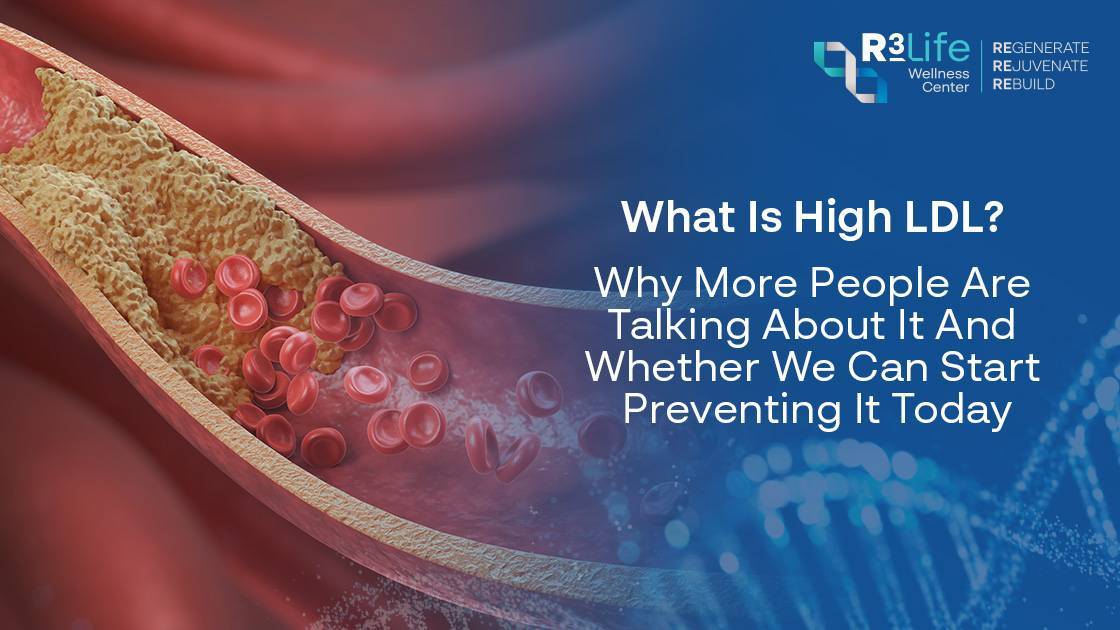
What Is High LDL? Why More People Are Talking About It And Whether We Can Start Preventing It Today
Summary
- High LDL cholesterol is associated with long-term cardiovascular and metabolic health risks
- Many people with high LDL may not experience symptoms in the early stages
- LDL levels can be influenced by genetics, stress, sleep, hormones, and lifestyle — not just diet alone
- Lifestyle modification, IV therapy, and personalized wellness support may play a role in preventive healthcare under physician supervision
Preventive medicine focuses on identifying risks early and supporting long-term metabolic wellness before symptoms appear
What Is High LDL? Why More People Are Talking About It And Whether We Can Start Preventing It Today
Recently, more people have started paying attention to the term “high LDL.” Some discover it during annual health checkups, others hear about it from friends or family, and some are surprised to find elevated cholesterol levels even while they still feel perfectly healthy.
What makes high LDL concerning is that it often develops quietly.
Many people with high LDL cholesterol continue to work normally, exercise regularly, and feel completely fine. There may be no obvious warning signs in the early stages, which is why many people delay taking action and think: “I’ll deal with it later.”
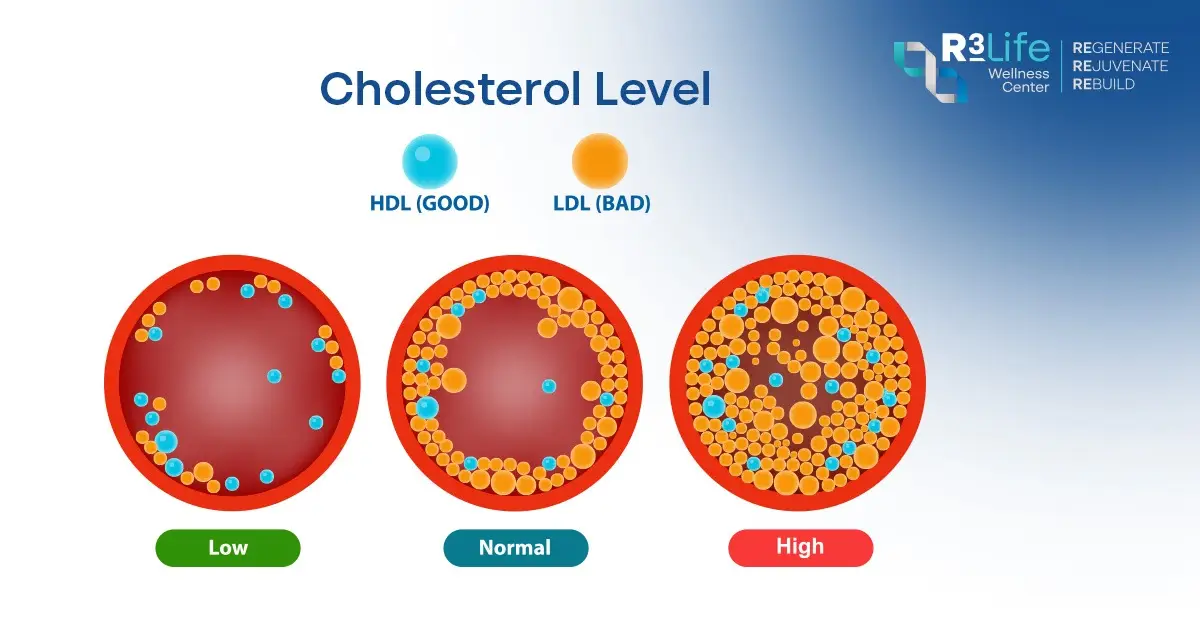
But medically, LDL (Low-Density Lipoprotein) is associated with the buildup of plaque inside blood vessels. Over time, persistently high LDL cholesterol may increase the risk of cardiovascular disease and long-term metabolic health issues.
How Do You Know If Your LDL May Be High?
In many cases, the body may start showing subtle signs before blood test results become seriously concerning.
Some common observations may include:
- feeling tired more easily
- gaining weight more easily
- increased abdominal fat
- poor sleep quality
- chronic stress
- frequent cravings for sugary or fatty foods
- or a family history of high cholesterol or heart disease
These signs do not necessarily mean you have high LDL cholesterol, but they may reflect that your metabolic health is becoming imbalanced.
Importantly, high LDL is not caused by diet alone.
It may also be influenced by:
- genetics
- sleep quality
- stress levels
- hormonal balance
- physical activity
- smoking
- alcohol consumption
- and overall lifestyle habits
This is why some people may appear physically fit while still developing elevated cholesterol levels or metabolic risk factors.
Does High LDL Always Mean You Need Medication?
Not necessarily. Managing high LDL cholesterol depends on many factors, including:
- cholesterol levels
- age
- medical history
- cardiovascular risk
- family history
- and overall metabolic health
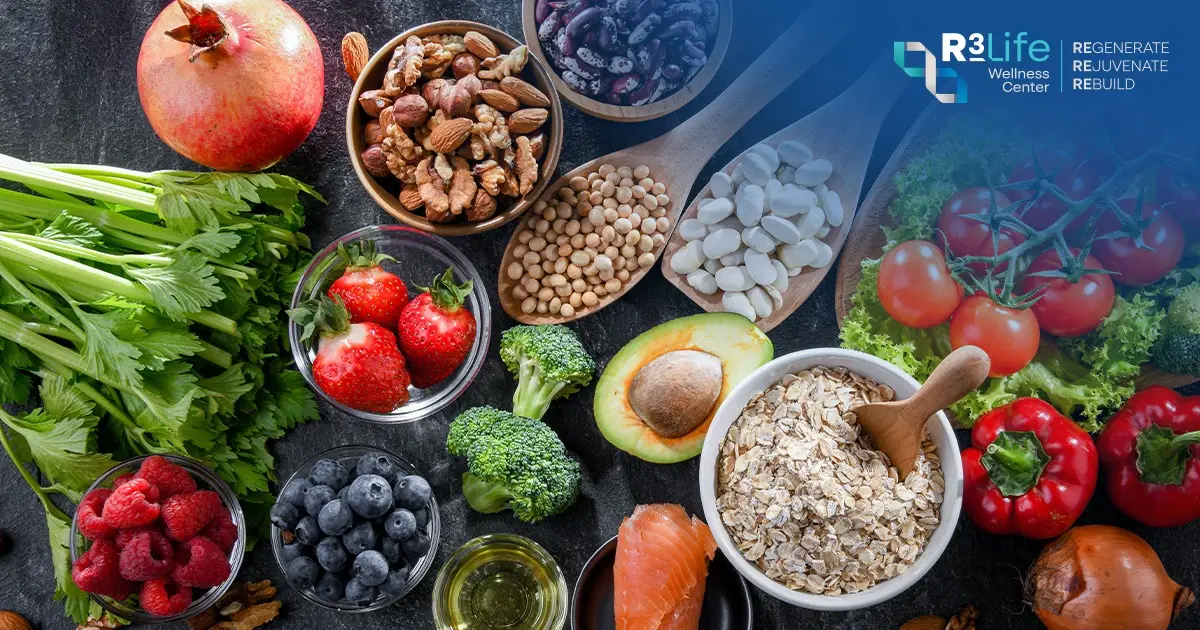
In some cases, physicians may first recommend lifestyle modification, including:
- regular exercise
- nutritional adjustments
- stress management
- sleep optimization
- and improving overall metabolic wellness
Exercise strategies such as:
- Zone 2 cardio
- resistance training
- and increasing daily movement
may help support fat metabolism and cardiovascular health over time.
The important thing is that managing LDL cholesterol is rarely a “one-size-fits-all” approach.
Some individuals may benefit primarily from lifestyle modification. Others may require closer medical monitoring, physician-supervised treatment, or supportive wellness programs depending on their health profile and long-term goals.
Can IV Therapy or Personalized Supplements Support Metabolic Health?
As preventive healthcare continues to grow, more people are becoming interested in supportive wellness therapies designed to improve recovery, energy metabolism, and overall metabolic wellness.
This is especially common among individuals experiencing:
- chronic fatigue
- high stress
- poor recovery
- low energy
- or early metabolic risk factors
Under physician supervision, some IV therapy programs may be designed to support:
- energy metabolism
- antioxidant function
- cellular recovery
- and exercise performance as part of a broader metabolic wellness plan
Examples may include:
- NAD+
- Complete Vitamineral
- Fat Burning Program
- Slim Trim Program
However, IV therapy is not the only option.
For individuals who may not want IV therapy, personalized supplement plans and physician-guided metabolic support may also be considered depending on lifestyle, bloodwork, recovery status, and individual health goals.
Because everybody responds differently, choosing supplements or wellness programs based only on internet trends may not always be appropriate.
This is why personalized healthcare and physician guidance are becoming increasingly important in preventive medicine.
Sometimes the Most Dangerous Conditions Are the Ones That Stay Silent
One of the biggest challenges of metabolic disease is that it often develops slowly and silently over many years.
High LDL cholesterol may not affect how you feel today.
But long-term health may depend on the decisions you make before symptoms ever appear.
Preventive healthcare is not about fear.
It is about giving the body a better chance to stay balanced before risks become more serious over time.
Sometimes the most important question is not: “Am I sick yet?”
But rather: “Could I start taking care of my health earlier?”
If you are unsure where to begin, our medical team offers free consultations to help assess your metabolic health and recommend personalized wellness options based on your lifestyle and long-term health goals.

 Does Sugar Make Your Skin Age Faster? The Science of Inflammaging and Glycation