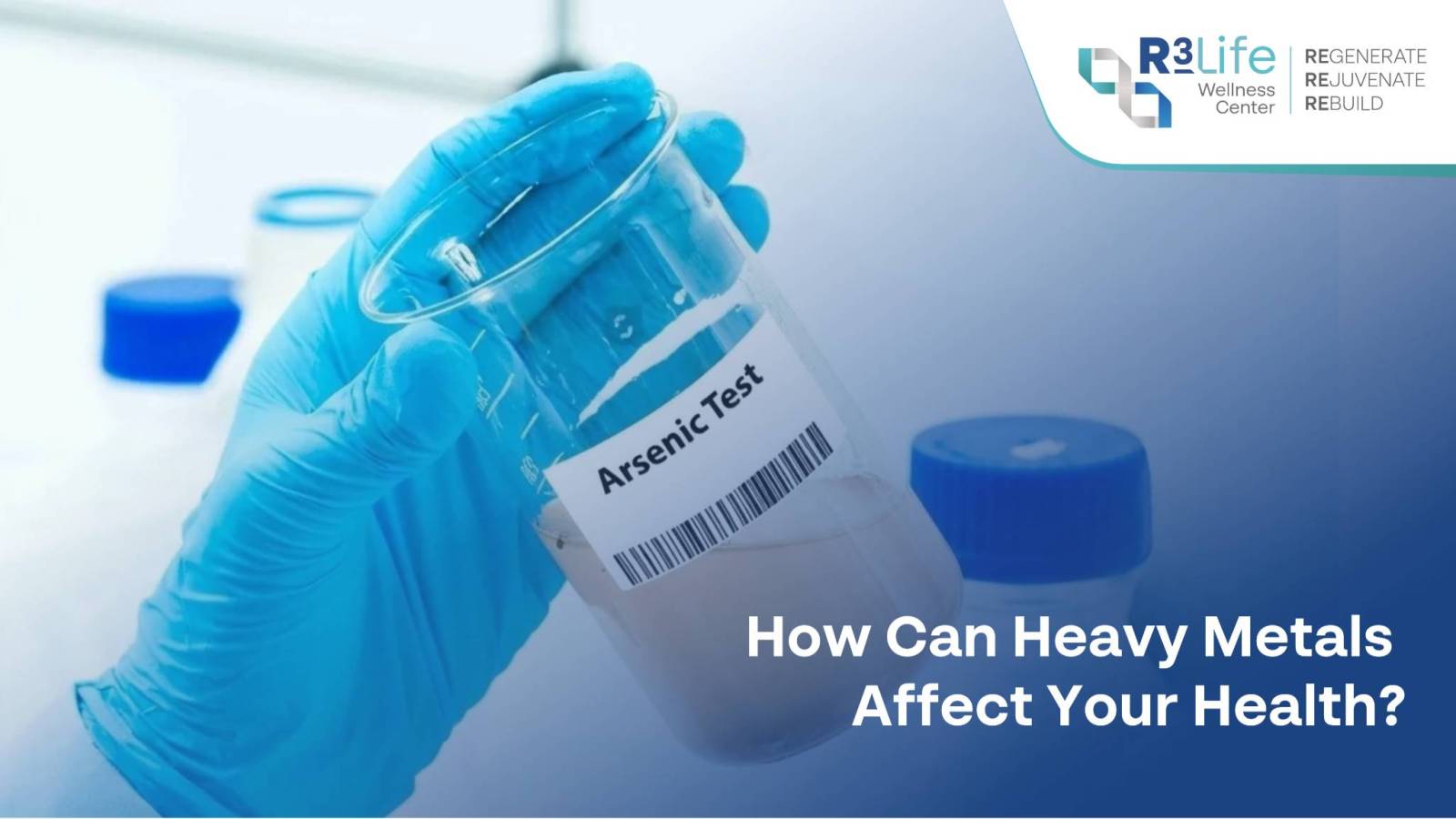
How Can Heavy Metals Affect Your Health? Screening & Prevention
Learn how heavy metals like arsenic, lead, mercury, and cadmium affect your health. Explore exposure risks, screening methods, and prevention options.
How Can Heavy Metals Affect Your Health?
5 Key Takeaways: What You Should Know About Heavy Metals
- Heavy metals may be closer than you think: Even in Bangkok, exposure can occur through air pollution, food, drinking water, and everyday consumer products.
- Arsenic contamination in Thailand's rivers: Recent reports involving the Sai and Kok rivers highlight environmental concerns, although not everyone is directly affected.
- Heavy metal exposure may affect long-term health: Depending on the type, amount, and duration of exposure, certain metals can affect the brain, nervous system, kidneys, and cardiovascular health.
- Heavy metal screening offers different assessment methods: Blood and urine tests can measure specific metals, while non-invasive palm scanning provides preliminary information but cannot replace validated laboratory testing.
- Chelation therapy is not necessary for everyone: Its suitability depends on the specific metal, exposure levels, and individual medical assessment.
Heavy Metals May Be Closer Than You Think, Even in Bangkok
You might associate heavy metal exposure with industrial areas or contaminated waterways. However, even people living in central Bangkok may encounter certain heavy metals through air pollution, food, drinking water, and everyday products.
Recent reports from November 6, 2026, indicated that preliminary screening detected arsenic levels in the Sai River in Chiang Rai Province at up to 25 times Thailand's surface water quality standard. Ongoing monitoring of heavy metal contamination in the Kok and Mekong rivers has also raised environmental concerns.
Although these incidents occurred in northern Thailand and do not indicate that Bangkok residents are directly affected, they raise an important question:
Where might we encounter heavy metals in everyday life, and how can we better understand our individual exposure risks?
Where Do Heavy Metals Come From?
Heavy metals and related elements, including lead, mercury, cadmium, and arsenic, can enter the body through contaminated food, water, inhaled particles, or certain exposure pathways.
Potential sources include:
- Air Pollution: Traffic emissions, construction dust, and certain industrial activities may contribute to airborne particles containing heavy metals.
- Food and Drinking Water: Certain seafood may contain mercury, while food and water from contaminated sources may contain arsenic, cadmium, or other metals.
- Consumer Products: Some unregulated cosmetics, herbal products, and dietary supplements may contain heavy metal contaminants.
- Occupational Exposure: Jobs involving metalworking, batteries, welding, or certain industrial processes may increase exposure risks.
However, exposure does not automatically mean harmful accumulation. Health risks depend on the specific substance, concentration, frequency, and duration of exposure.

How Can Heavy Metals Affect Your Health?
Prolonged exposure to harmful levels of certain heavy metals may affect several body systems:
- Brain and Nervous System: Potential effects on memory, concentration, coordination, and neurological function.
- Kidney and Liver Health: Certain heavy metals may impair organ function, particularly kidney health.
- Cardiovascular Health: Chronic exposure to lead or inorganic arsenic has been associated with increased risks of high blood pressure and cardiovascular disease.
- Long-Term Health Risks: Prolonged exposure to inorganic arsenic or cadmium may increase the risk of certain cancers.
Some forms of heavy metal exposure may not cause noticeable symptoms in the early stages. Understanding your exposure history and personal risk factors is therefore important.
Heavy Metal Screening: A Preventive Health Assessment Option
Routine health checkups commonly include blood sugar, cholesterol, vitamin and mineral levels, and organ function tests. However, heavy metal screening is not typically included in standard health assessments.
Even if you do not live in an affected area, consulting a physician may be helpful if you have a history of exposure to potentially contaminated environments, have relevant occupational risks, or are concerned about possible exposure.
Several assessment methods are available:
- Blood Test: Measures certain heavy metals in the bloodstream, such as lead. A toxic metal panel may assess multiple substances depending on the tests selected.
- Non-Invasive Palm Assessment (Transcutaneous Mineral Assessment): A technology developed in France that scans through the skin of the palm without blood collection. It provides preliminary mineral-related readings, but its accuracy for measuring heavy metal levels in the body has not been sufficiently established to replace standard laboratory tests.
- Urine Test: Measures certain substances, including arsenic, using methods selected according to exposure history and physician recommendations.
Should You Get Heavy Metal Screening Every Year?
For individuals with ongoing exposure risks, a physician may recommend periodic monitoring, including annual testing when appropriate.
For people without specific risk factors, routine annual screening for every heavy metal is generally not recommended.
If you are unsure which tests may be appropriate, R3 Life Wellness offers complimentary physician consultations. You are welcome to bring any existing health checkup results for review.
Is Chelation Therapy an Option If Heavy Metals Are Detected?
Chelation therapy involves the use of chelating agents that bind to certain metals and help the body eliminate them. Depending on the substance involved and medical indications, these agents may be administered intravenously or orally.
One oral chelating agent used in specific circumstances is DMSA (dimercaptosuccinic acid), which requires medical assessment and supervision.
However, detecting heavy metals in the body does not automatically mean chelation therapy is necessary. A physician must consider the type and level of the substance, exposure history, and overall health before recommending an appropriate approach.
Chelation therapy is not a routine wellness detoxification procedure and should not be undertaken without a medical indication, as it may affect kidney function and the body's mineral balance.
Preventive Healthcare Begins with Understanding Your Risks
Recent arsenic contamination reports in Thailand remind us that health is influenced not only by nutrition, exercise, and sleep, but also by the environments in which we live.
Understanding potential environmental exposure is an important part of making informed, personalized health decisions.
Know Your Exposure. Protect Your Long-Term Health.
Explore heavy metal screening and personalized preventive healthcare options at R3 Life Wellness, with a complimentary physician consultation to help determine the most appropriate next steps for your individual needs.
Frequently Asked Questions (FAQ)
1. I Want to Check My Heavy Metal Levels. Which Screening Method Should I Choose?
R3 Life Wellness offers several heavy metal assessment options, including blood testing and non-invasive palm assessment using technology developed in France.
Our physicians can review your health history, potential exposure risks, and individual concerns to help recommend suitable testing options. Complimentary physician consultations are available at no charge.
2. What Options Are Available If I Am Concerned About Heavy Metal Accumulation?
There are several approaches, including reducing exposure to potential contaminants, making appropriate lifestyle adjustments, and, in specific medically indicated cases, using intravenous or oral chelating agents.
The most suitable approach depends on the type and level of heavy metals identified, as well as your individual health condition. A physician consultation is recommended before deciding on any intervention.

 From Pills to Drips: The Evolution of Vitamins and Why IV Therapy Works Better