
10 Silent Signs of Vitamin Deficiency You Can't Ignore

HIGHLIGHT :
- Vitamins are essential health supplements categorized as water-soluble (C, B) and fat-soluble (A, D, E, K) .
- They provide key benefits including Immune System Support, Energy Metabolism, and Antioxidant Protection .
- Deficiency warning signs include chronic fatigue, hair loss, mouth sores, and frequent infections .
- Comprehensive testing (like Oligoscan) is vital before supplementation to ensure optimal dosage and avoid toxicity.
Vitamins are essential micronutrients that govern virtually every function in the human body, yet daily requirements are often overlooked. However, without knowing your actual needs, you risk both deficiency and toxicity. This article helps you recognize the subtle warning signs of vitamin deficiency and emphasizes the need for advanced testing to personalize supplementation safely and effectively.
Vitamins are essential health supplements that the body needs completely, yet many people overlook the daily vitamin requirements. Understanding the benefits of vitamins and recognizing deficiency warning signs can prevent serious health complications and optimize your wellness journey.
What Are Vitamins?
Vitamins are divided into two essential categories that determine how the body processes and stores them:
- Water-soluble vitamins: include Vitamin C and all B vitamins. These vitamins remain in the body for 2-4 hours and excess amounts are excreted through urine, making daily replenishment necessary to maintain optimal benefits of vitamins.
- Fat-soluble vitamins: comprise Vitamins A, D, E, and K. These vitamins accumulate in body tissues and cannot be easily excreted, requiring careful dosing to avoid toxicity while ensuring maximum benefits of vitamins.

Key Benefits of Vitamins for Optimal Health
The benefits of vitamins encompass multiple body systems and functions:
Immune System Support - Vitamins C, D, and A strengthen natural defenses against infections and diseases, providing essential benefits of vitamins for year-round health protection.
Energy Metabolism - B vitamins convert food into usable energy, supporting mental clarity and physical endurance as primary benefits of vitamins for active lifestyles.
Antioxidant Protection - Vitamins C and E protect cells from oxidative damage, offering anti-aging benefits of vitamins that preserve cellular health.
Bone Health - Vitamins D and K support calcium absorption and bone strength, delivering crucial benefits of vitamins for skeletal system maintenance.
How Do Different Types of Vitamins Benefit the Body?
Each type of vitamin has distinct roles in the body. To get the full benefits of vitamins, it's essential to consume a variety of vitamins. Here are some of the key vitamins and their benefits
Vitamin A
supports eye health, immune function, and growth. The benefits of vitamins like A include protecting against infections and maintaining healthy skin. Found in leafy vegetables, carrots, and dairy products.
Vitamin B
includes B1 (Thiamine), B2 (Riboflavin), B3 (Niacin), B6, B7 (Biotin), B9 (Folate), and B12. These vitamins convert food into energy and support nervous system function. The benefits of vitamins in this complex are essential for brain health and red blood cell production.
Vitamin C
acts as a powerful antioxidant, supporting immune system function and collagen synthesis. The benefits of vitamins like C include enhanced wound healing and iron absorption improvement.
Vitamin D
facilitates calcium and phosphorus absorption, contributing to strong bones and teeth. Vitamin D plays a crucial role in immune system modulation and inflammatory response regulation. Essential benefits of vitamins like D are particularly important for those with limited sun exposure.
Vitamin E
prevents cell degeneration and protects skin from environmental damage. The antioxidant benefits of vitamins like E include slower aging and improved skin health.
Vitamin K
ensures proper blood clotting and bone health, reducing osteoporosis risk. These often-overlooked vitamins provide significant health benefits of vitamins for cardiovascular function.
Warning Signs of Vitamin Deficiency
When you don't receive adequate benefits of vitamins, your body signals deficiency through various symptoms:
- Fatigue and exhaustion
- Hair loss and brittle nails
- Mouth sores, dry mouth, cracked corners of the mouth, and swollen tongue
- Bone or muscle pain, frequent cramps
- Difficulty seeing at night, blurred vision
- Numbness in the hands and feet
- Bleeding gums
- Anemia
- Dry skin and acne
- Frequent colds
Who Is at Risk of Vitamin Deficiency?
Our everyday lifestyle can unknowingly lead to vitamin deficiencies, whether from poor eating habits, alcohol consumption, or even certain medications. Vitamin deficiencies can affect anyone, especially the following groups:
- Elderly individuals who may have trouble eating a variety of foods or have absorption issues due to aging.
- People with a limited diet, such as those who don’t eat vegetables, fruits, or animal products, which are key sources of many vitamins like Vitamin B12 found only in meat, eggs, and dairy.
- Regular alcohol drinkers, as alcohol impairs vitamin absorption and negatively affects the liver and stomach.
- Those under stress or heavy workloads, as stress depletes the body of vitamins, requiring more for proper function.
- People who avoid sunlight, despite the fact that moderate sunlight provides Vitamin D, which is essential for bone health.
- Individuals with gut microbiome imbalance, as disrupted intestinal bacteria impair vitamin absorption from both food and supplements. Common causes include antibiotic use, poor diet, or digestive disorders, preventing full benefits of vitamins despite adequate intake.
Diseases Caused by Vitamin Deficiency
Missing essential benefits of vitamins can lead to serious health conditions:
- Angular cheilitis (cracked corners of the mouth) results from B vitamin deficiency, demonstrating how lacking benefits of vitamins affects visible health markers.
- Scurvy (bleeding gums) causes bleeding gums due to Vitamin C deficiency, showing severe consequences when benefits of vitamins are inadequate.
- Anemia develops from insufficient B vitamin intake, creating fatigue and pale skin when benefits of vitamins are compromised.
- Rickets occurs in children lacking Vitamin D, highlighting how missing benefits of vitamins affects bone development.
- Cognitive Decline can result from B vitamin deficiency, particularly in alcohol consumers, showing how benefits of vitamins protect brain function.

Risks of Overconsuming Vitamins
While benefits of vitamins are numerous, overconsumption creates health risks. Taking excessive vitamins can cause both acute and chronic toxicity.
Acute Toxicity from vitamins rarely occurs but can cause headaches, nausea, dizziness, and vomiting. Proper dosing ensures safe benefits of vitamins without adverse effects.
Chronic Toxicity develops from prolonged high-dose supplementation without medical guidance, leading to vitamin buildup that prevents optimal benefits of vitamins and causes health complications.
Chronic Toxicity develops from prolonged high-dose supplementation without medical guidance, leading to vitamin buildup that prevents optimal benefits of vitamins and causes health complications. Therefore, before taking vitamin supplements or undergoing IV vitamin therapy, a comprehensive vitamin test should be performed to ensure it best meets the body's needs and avoids potential harm.
Advanced Vitamin & Heavy Metal Screening (with Personalized Plans)
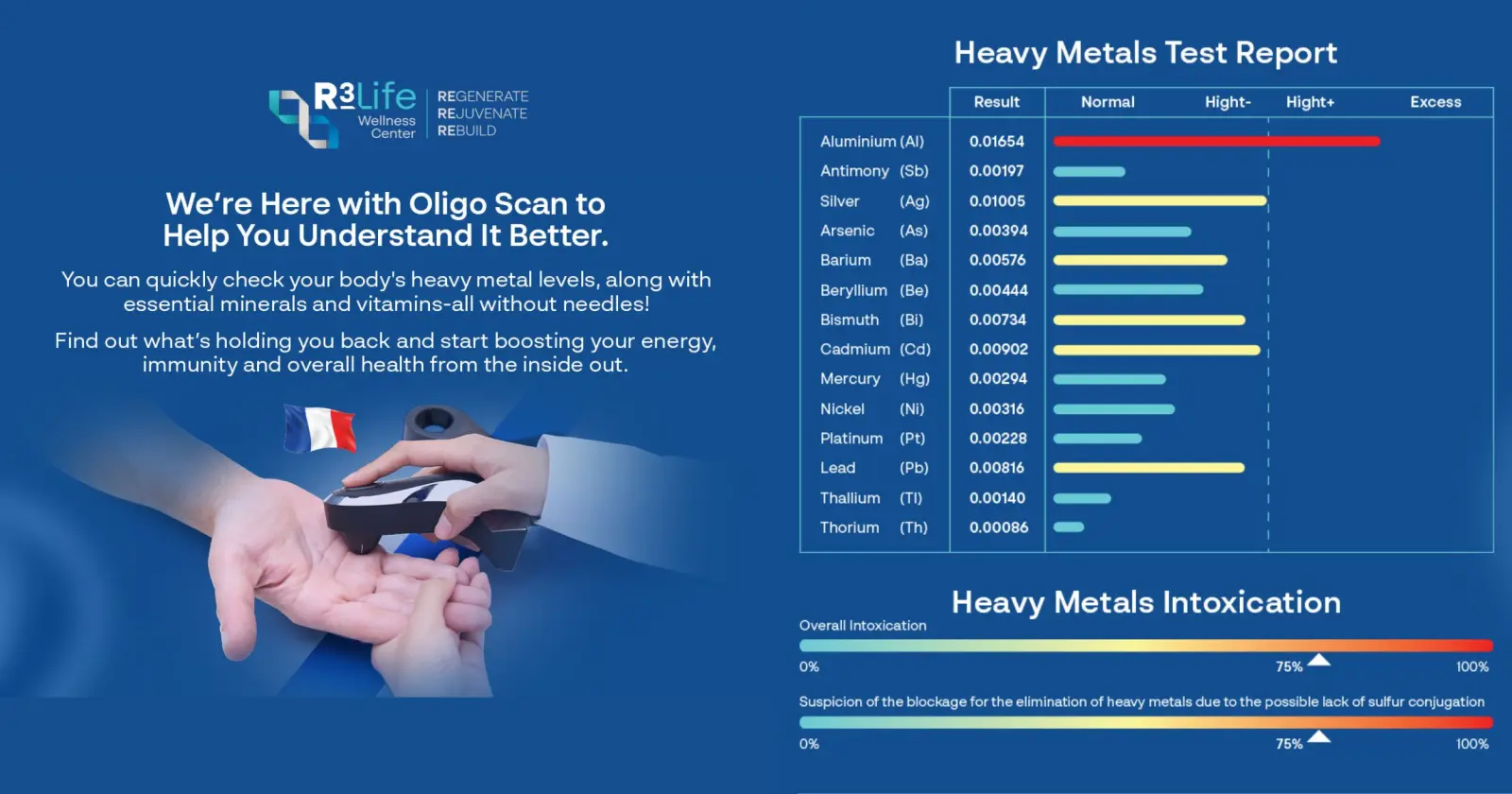
Advanced Vitamin Testing
To maximize the benefits of vitamins and minerals for your unique needs, comprehensive and precise testing is essential.
The OligoScan is a cutting-edge technology that offers a painless and highly accurate assessment of your essential vitamin and mineral levels, along with your accumulated heavy metals, all without the need for blood draws or fasting. This advanced technology works by simply scanning the tissue on the palm of your hand, providing immediate and detailed measurements of tissue accumulation for water-soluble vitamins, fat-soluble vitamins, and essential minerals, including magnesium and zinc.

The results provide a clear picture of your body's nutritional reserves and toxic load. Our doctors will then analyze your OligoScan report to give you personalized recommendations on which vitamins to reduce, which to increase, and specific health advice to optimize your well-being. OligoScan testing ensures you receive the precise benefits of vitamins and minerals tailored to your individual deficiencies and helps guide a safe, effective detoxification strategy.
Frequently Asked Questions
Q: What's the best time to take vitamins for maximum absorption?
Fat-soluble vitamins (A, D, E, K) absorb best with meals containing healthy fats, while water-soluble vitamins (B, C) work effectively on empty stomachs for enhanced benefits of vitamins.
Q: Can vitamin interactions reduce their effectiveness?
Yes, certain vitamins can interfere with each other. Calcium blocks iron absorption, while Vitamin C enhances it. Proper timing ensures maximum benefits of vitamins without negative interactions.
Q: How long does it take to correct vitamin deficiencies?
Water-soluble vitamins show improvement within 2-4 weeks, while fat-soluble vitamins require 2-3 months. Consistent supplementation ensures sustained benefits of vitamins for optimal health.
Q: Are there genetic factors affecting vitamin needs?
Genetic variations influence vitamin metabolism and absorption rates. Some people need higher doses of specific vitamins to achieve the same benefits of vitamins due to genetic differences

 Medical Tourism Partner in Thailand | R3 Life Wellness
 How Your Gut Microbiome Affects How Fast You Age
 Ozempic Face and How to Restore Lost Volume
 12 Brain Boosting Foods for Better Memory & Focus

